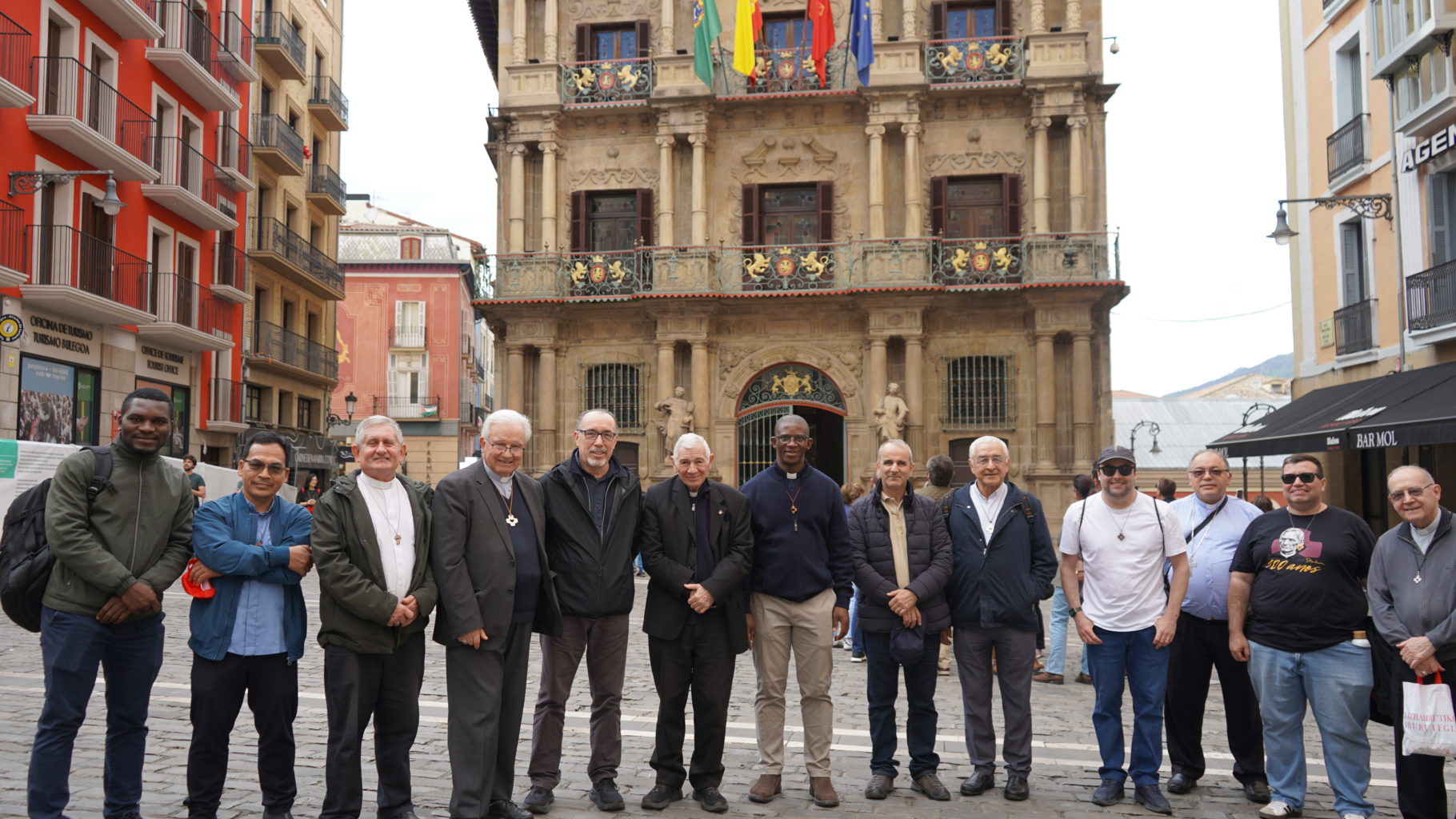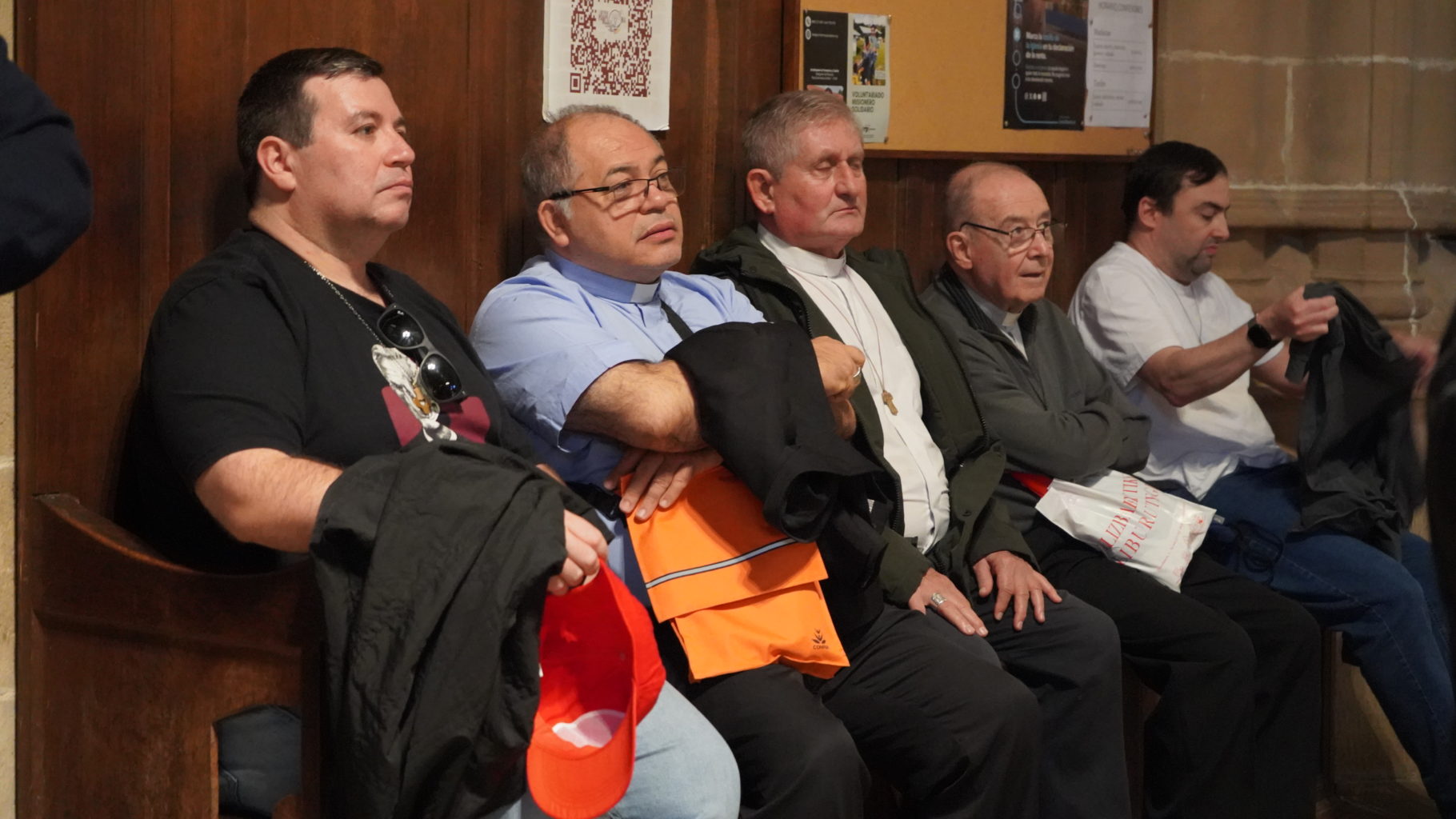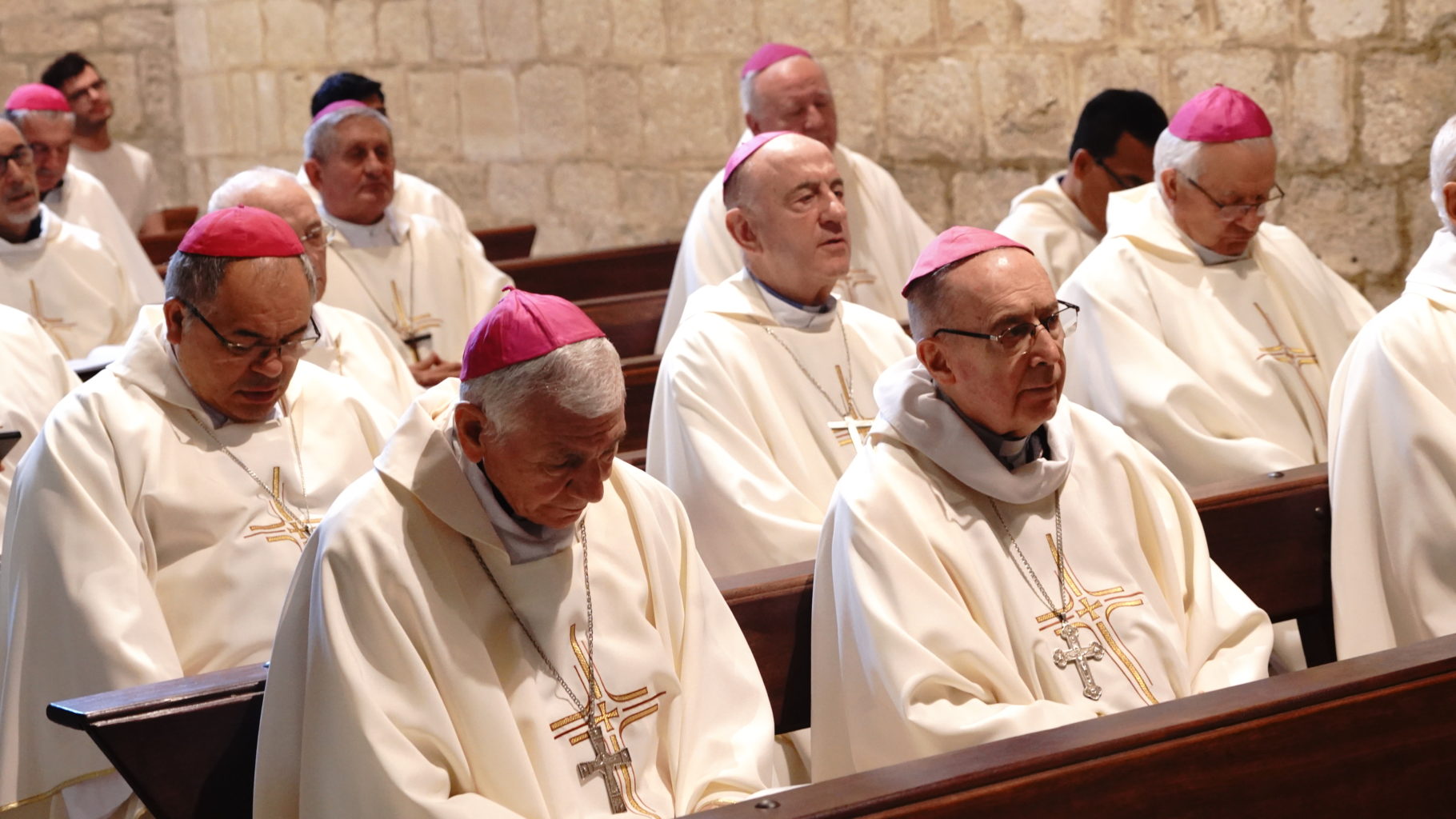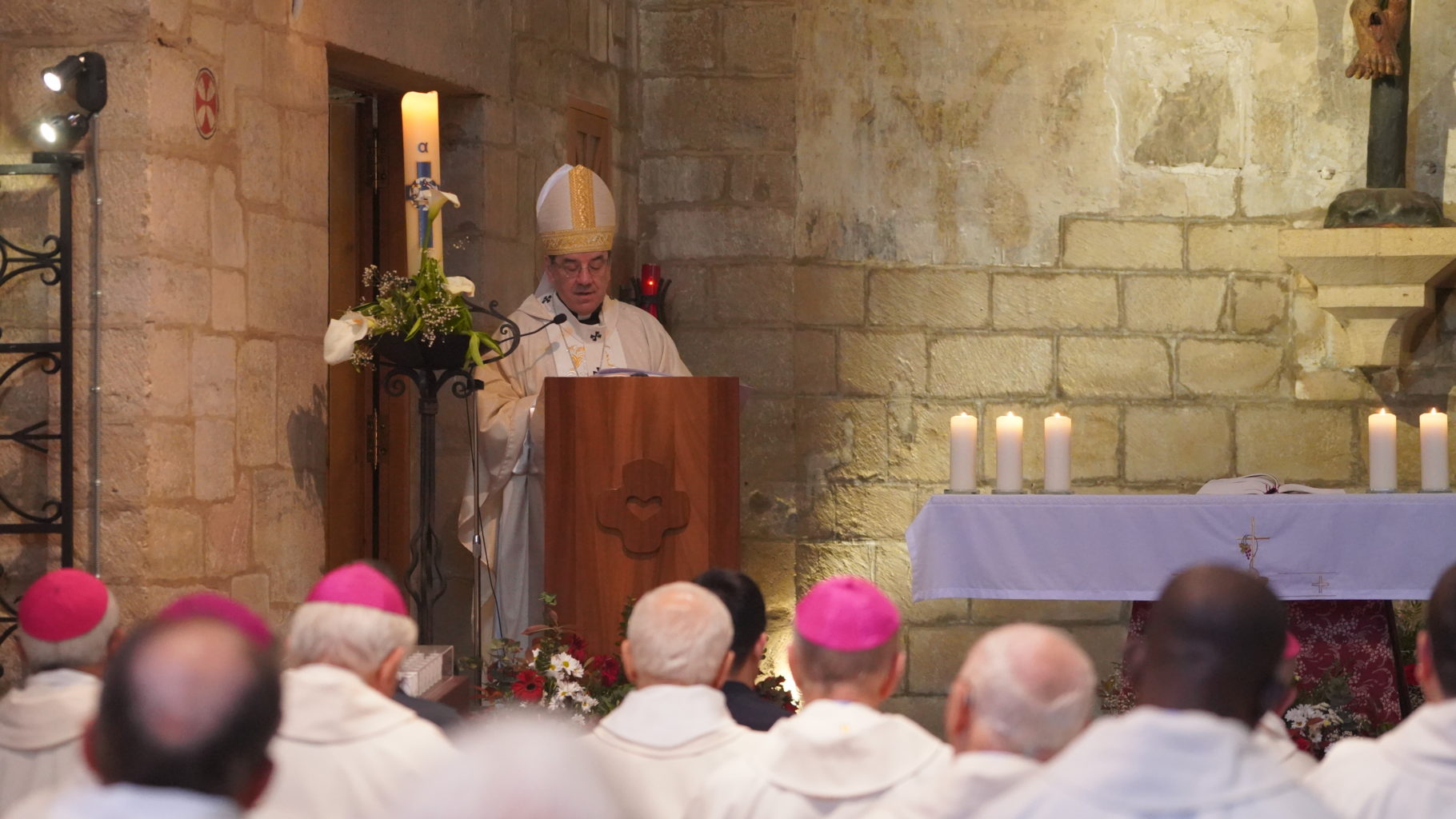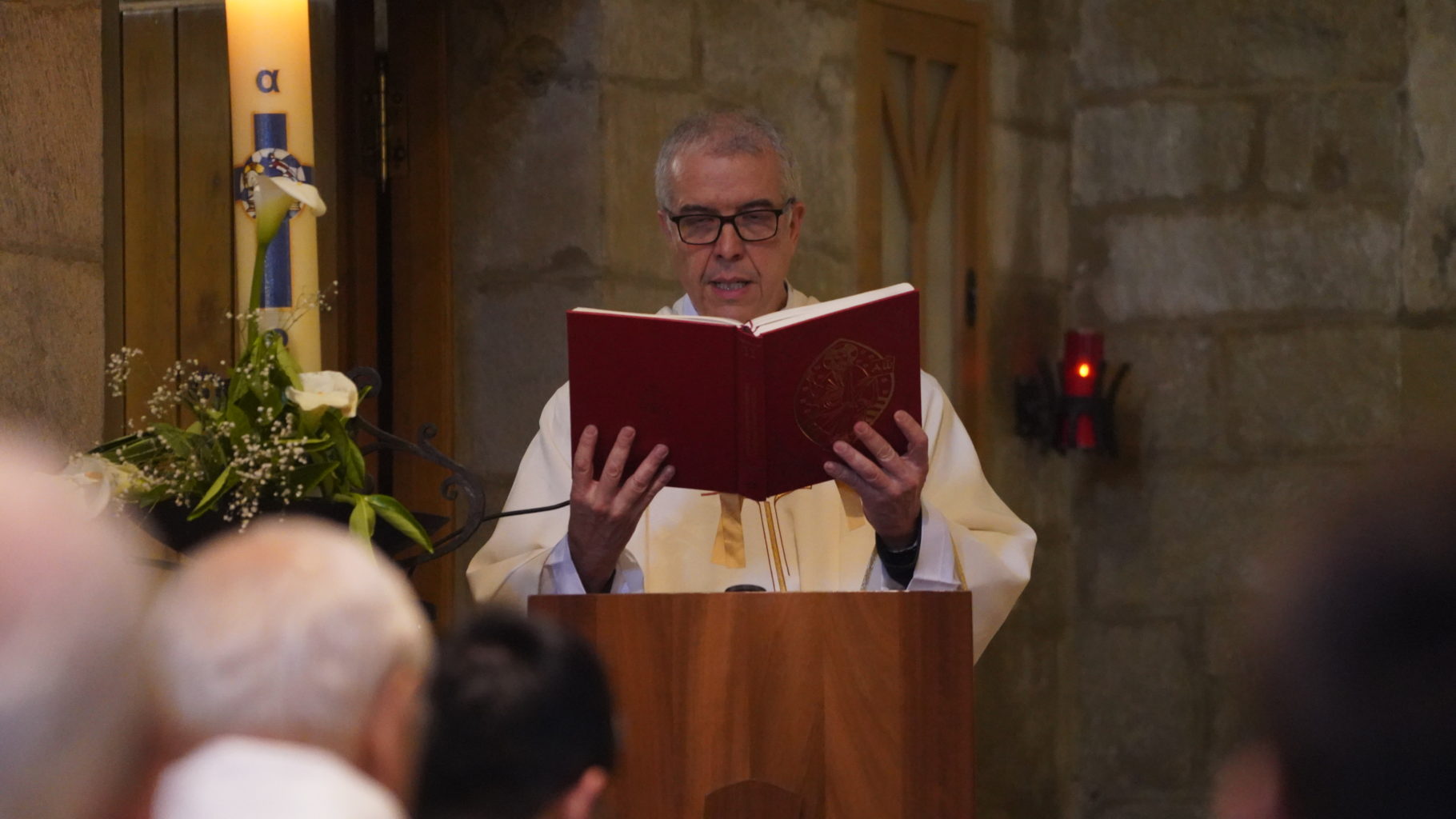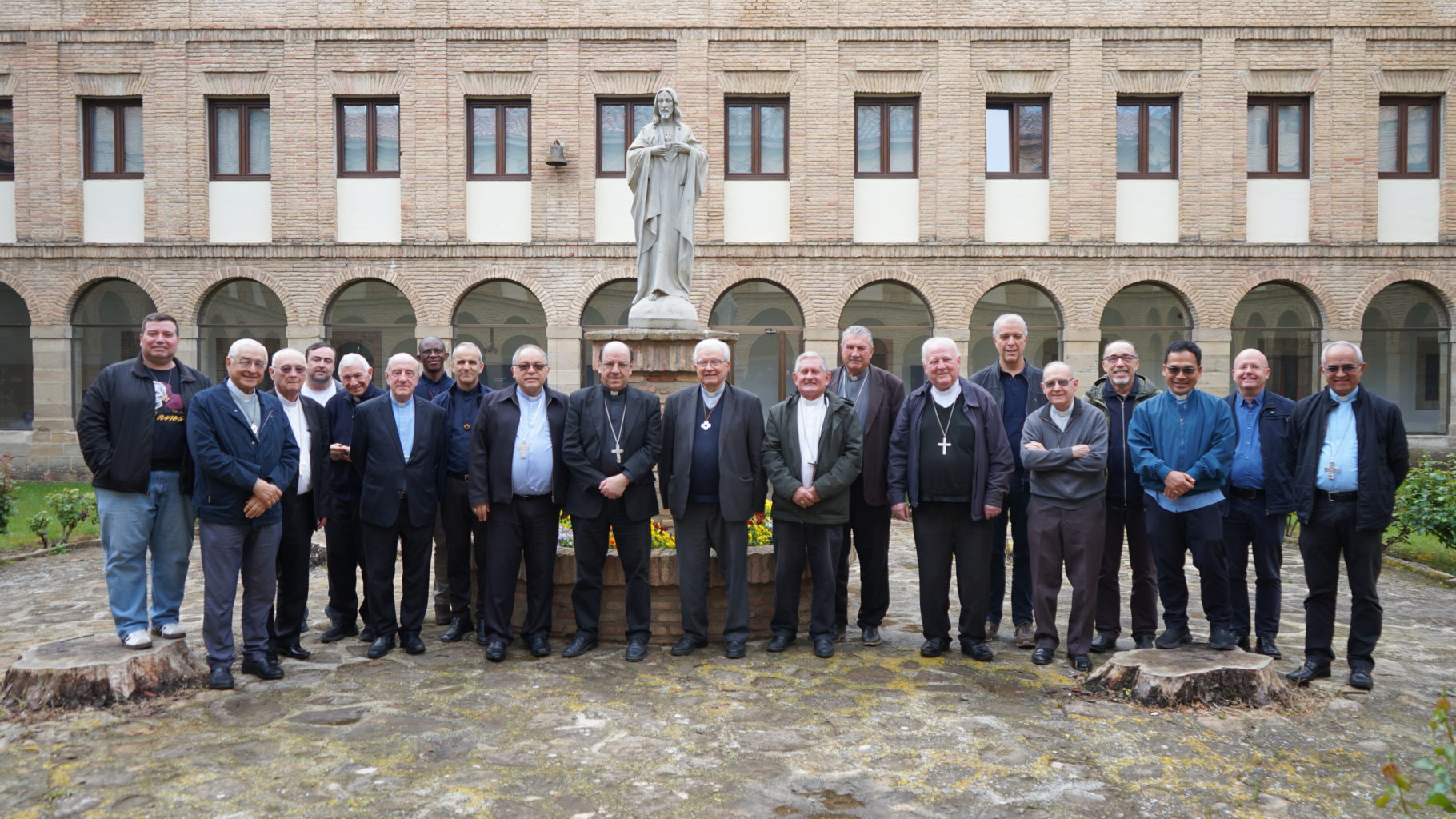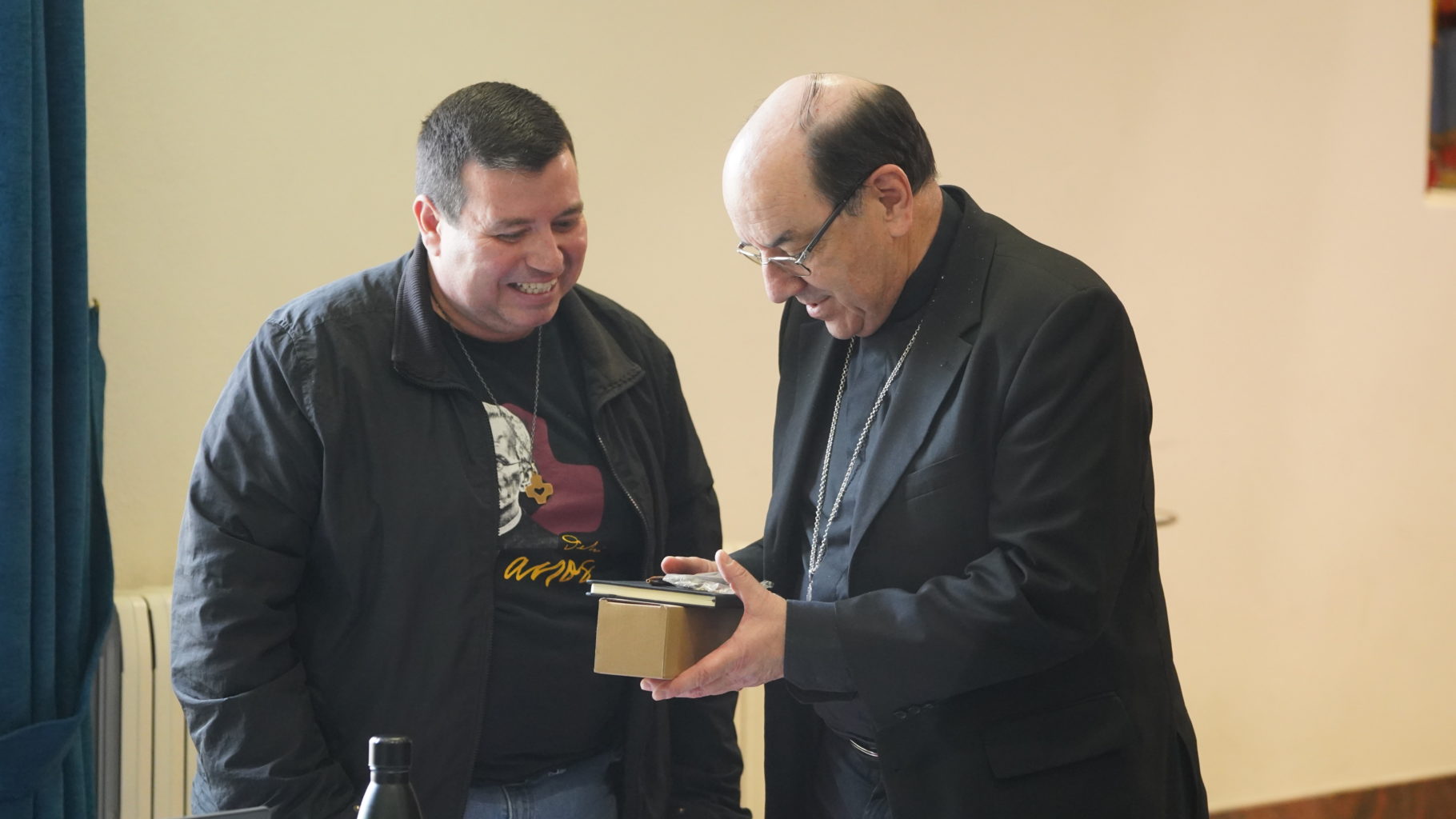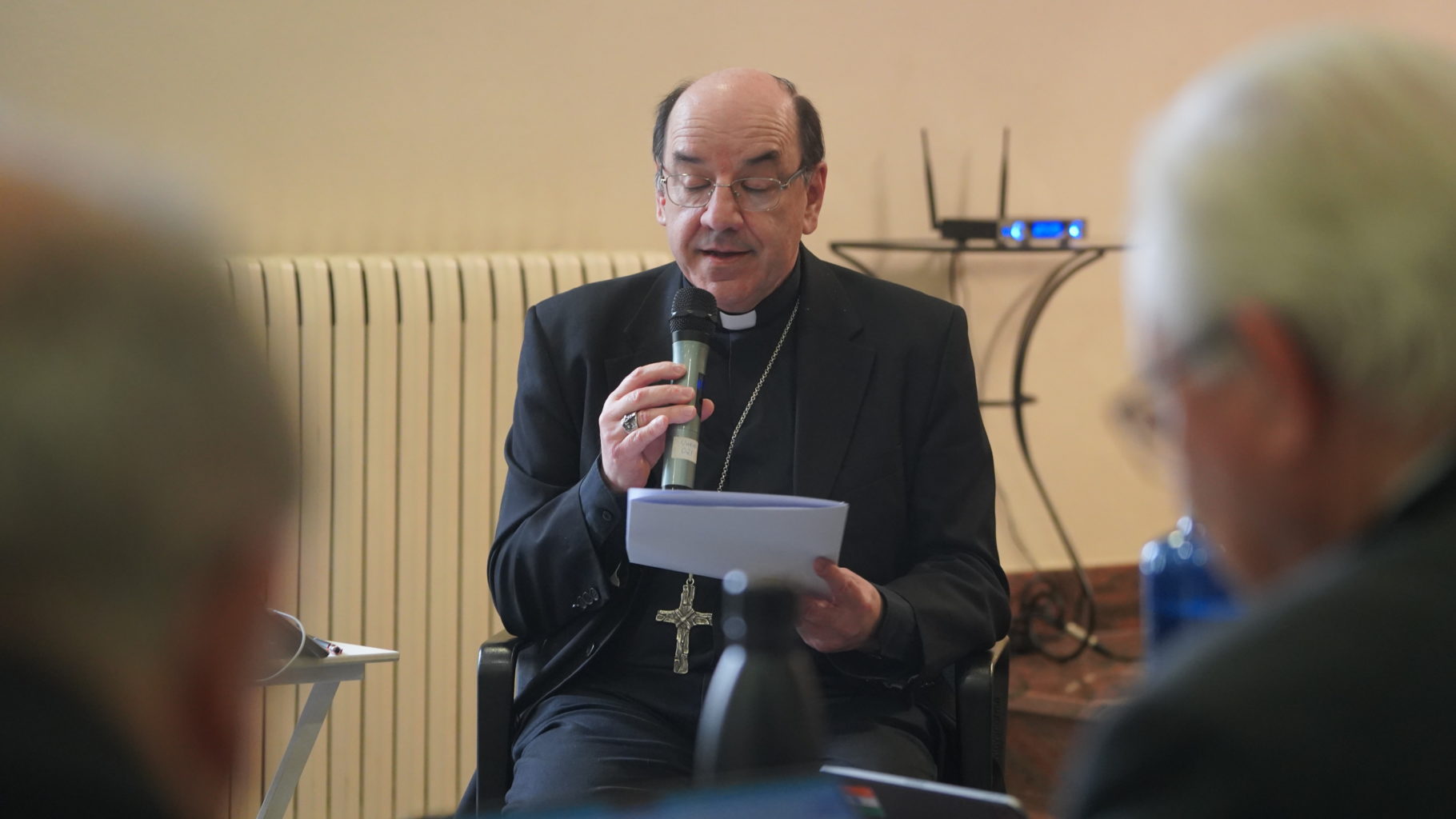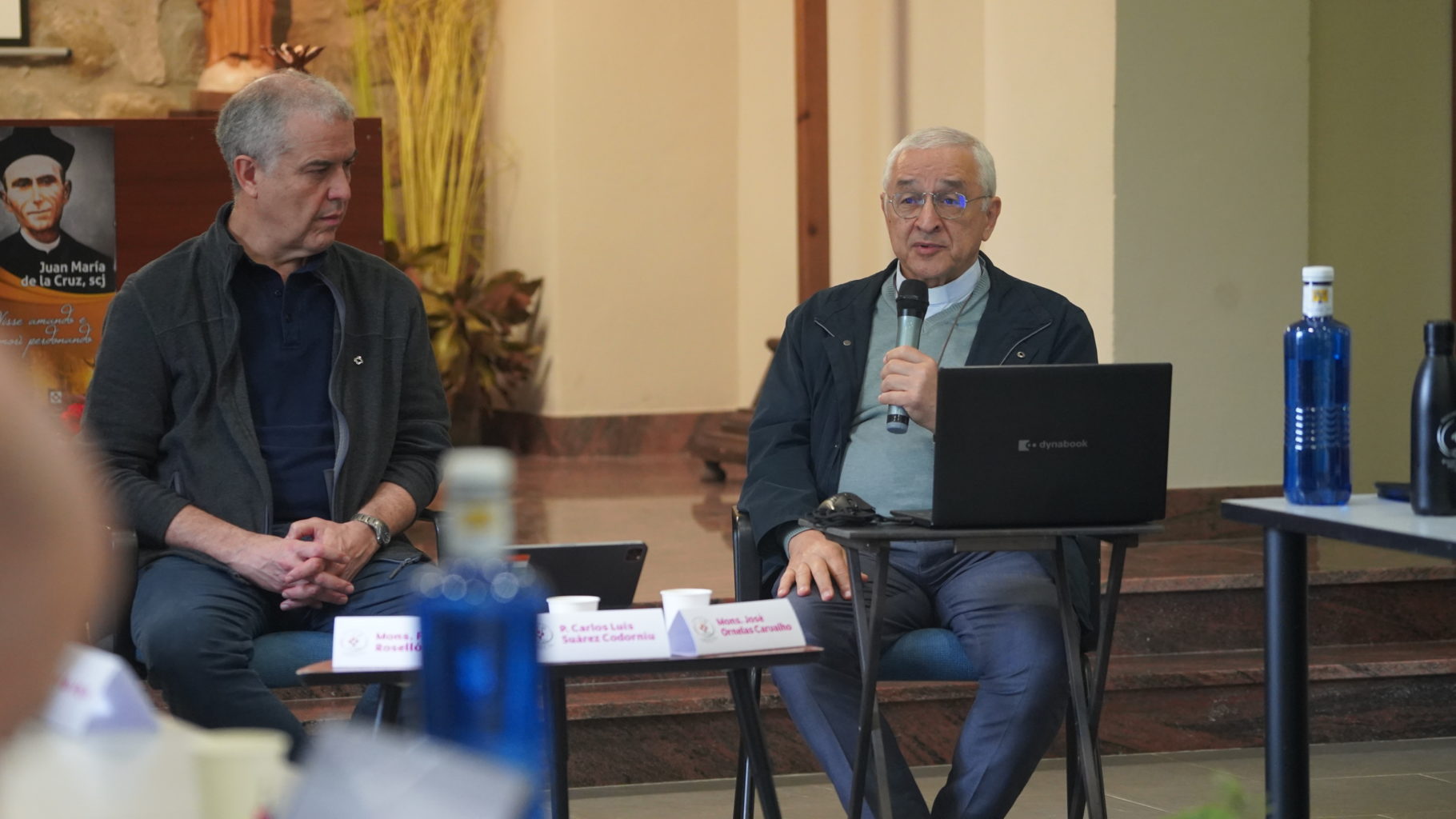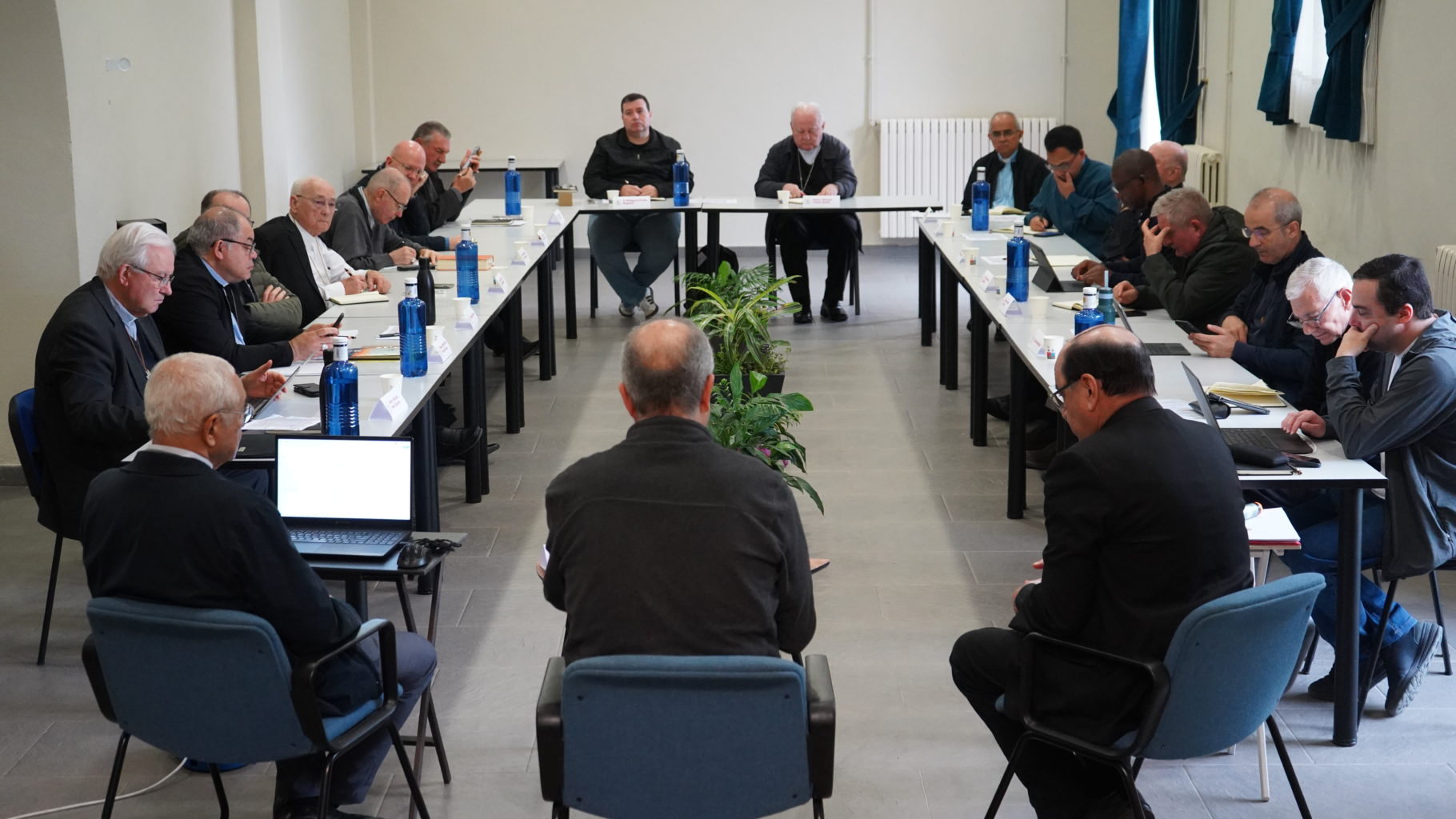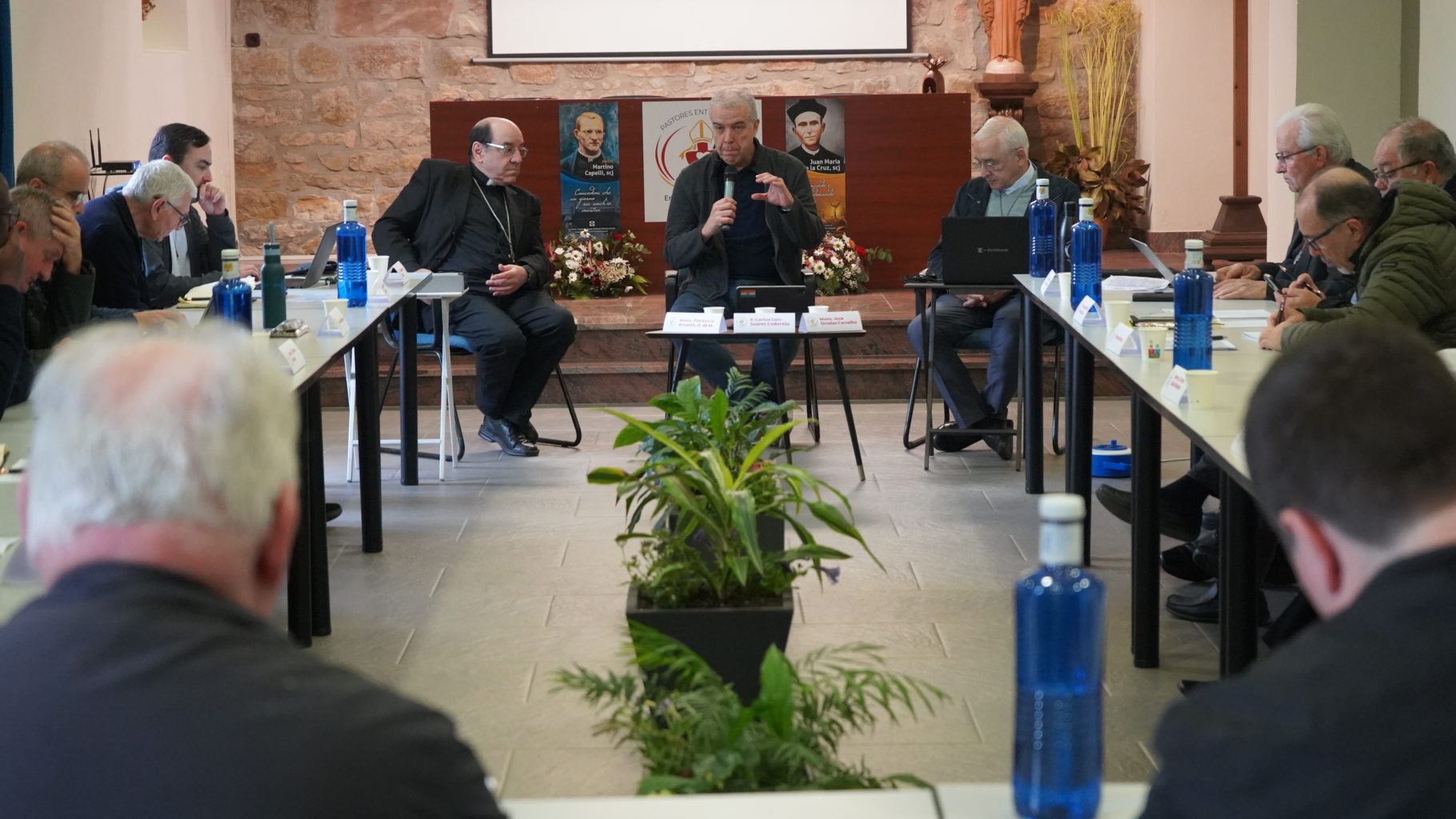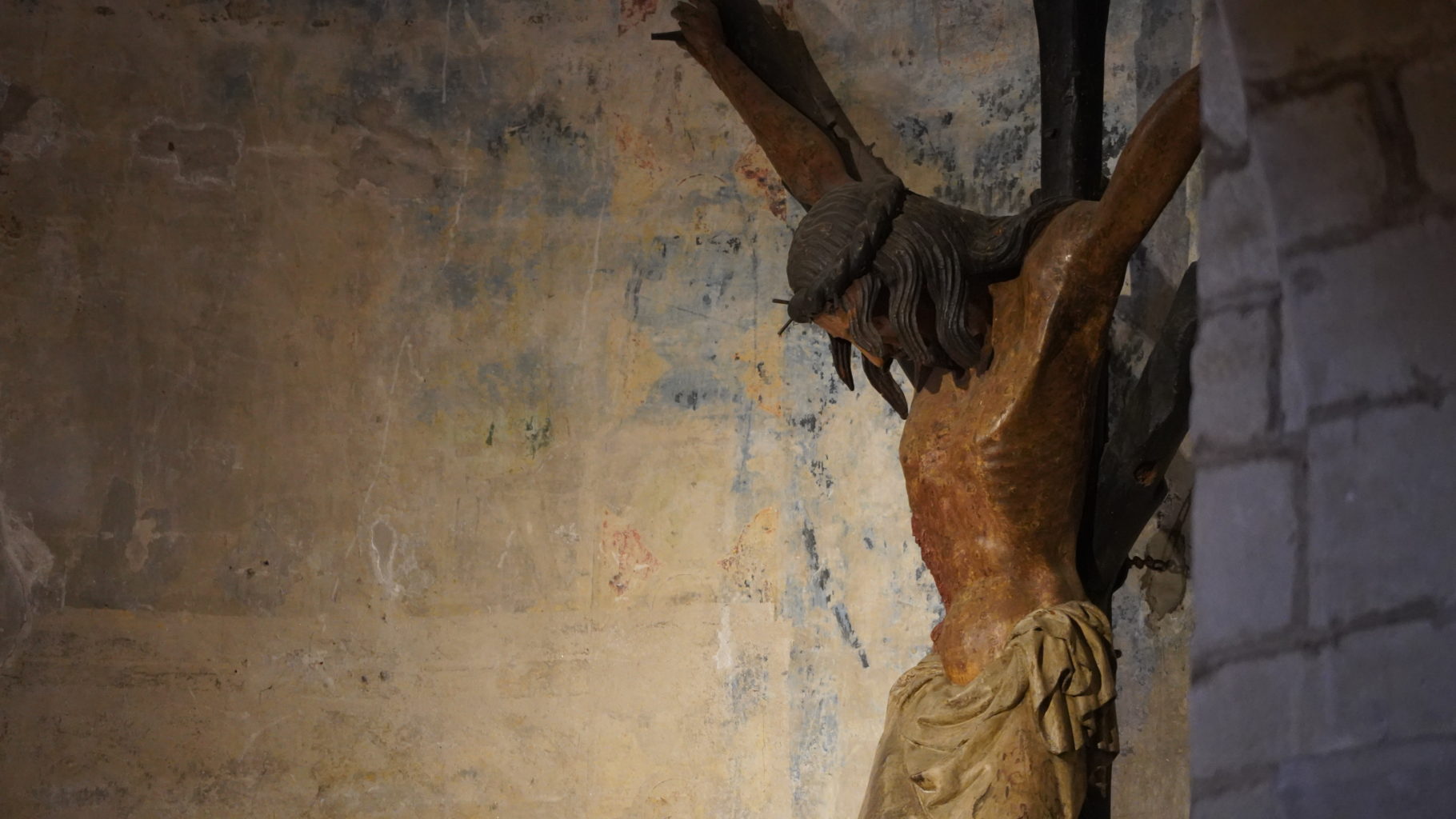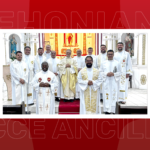
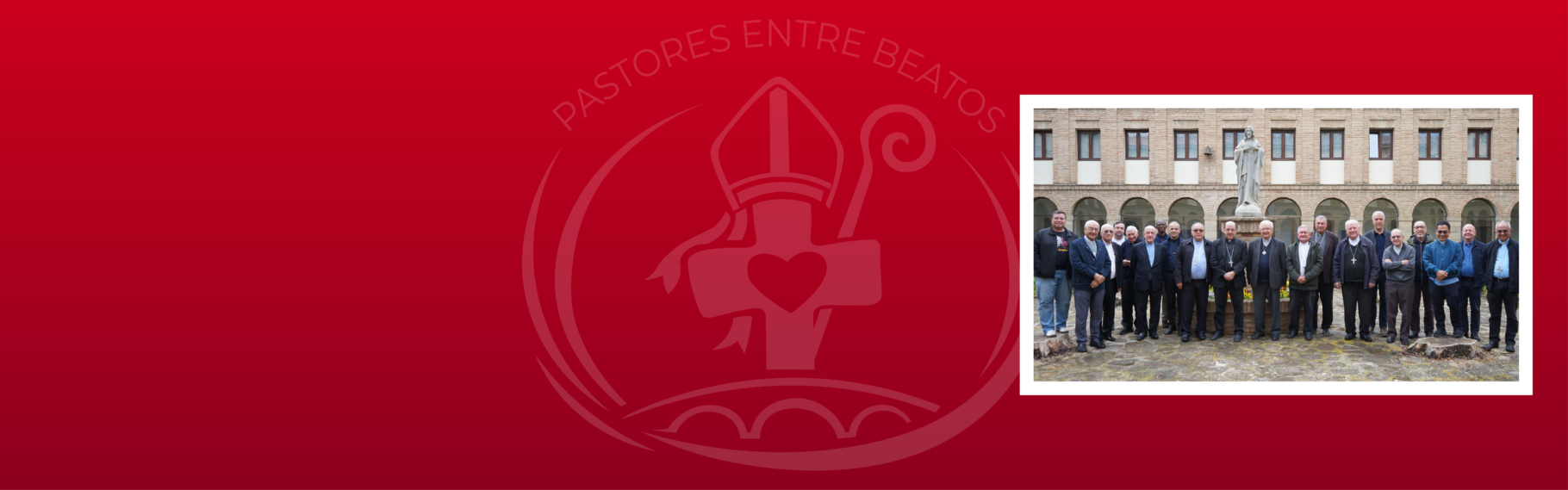


This Friday, April 30, 2026, the final day of the meeting began with the prayer of Lauds in the church of the Dehonian community, the Church of the Crucifix. Under the moderation of the Superior General, Fr. Carlos Luis Suárez Codorniú, two bishops presented their field experiences regarding collaboration with religious in diocesan pastoral work, based on the document Mutuae relationes (1978). Specifically, these were Bishop José Ornelas Carvalho, SCJ, Bishop of the Diocese of Leiria-Fatima in Portugal, and Archbishop Florencio Rosello Avellanas, Archbishop of Pamplona and Tudela, the host archdiocese.
Bishop José Ornelas Carvalho and Religious Adaptation
Drawing on his rich missionary experience and his years at the head of the Congregation of the Priests of the Sacred Heart, Bishop José Ornelas Carvalho emphasized the imperative of adaptation facing contemporary religious life. According to him, the traditional model must evolve to respond to today’s realities: “An adaptation is necessary, one very different from what it was in the past,” he affirmed. He nonetheless praised the efforts of congregations that courageously commit to this path while encouraging the emergence of new charisms.
Archbishop Florencio Rosello Avellanas and the Synodal Model
Archbishop Florencio Rosello Avellanas, Archbishop of Pamplona and Tudela and himself a religious, centered his intervention on synodality, presenting it as the indispensable tool for restoring relations between religious life and the secular clergy. Advocating for a more theological and universal vision of the Church, he stressed the urgency of breaking the spiritual isolation of diocesan priests by opening them to the diversity of gifts. For Archbishop Rosello, this synodality must be embodied in daily life through shared discernment, common assemblies, and concrete collaboration on the ground, thus transforming the ecclesial structure into a space for authentic encounter.
A Plea for a Conversion of Mindsets
The debate that followed allowed the bishops present to denounce the persistence of a “utilitarian vision” of religious life. They deplored that religious are still too often perceived as mere “manpower” intended to fill pastoral gaps, rather than as a gift that enriches the Church through its charism and interculturality. Faced with certain hierarchical attitudes sometimes judged as aggressive, the bishops pleaded for a true conversion of heart, calling for a shift from a logic of service provision to a practice of mutual respect where each charism is recognized in its prophetic dimension.
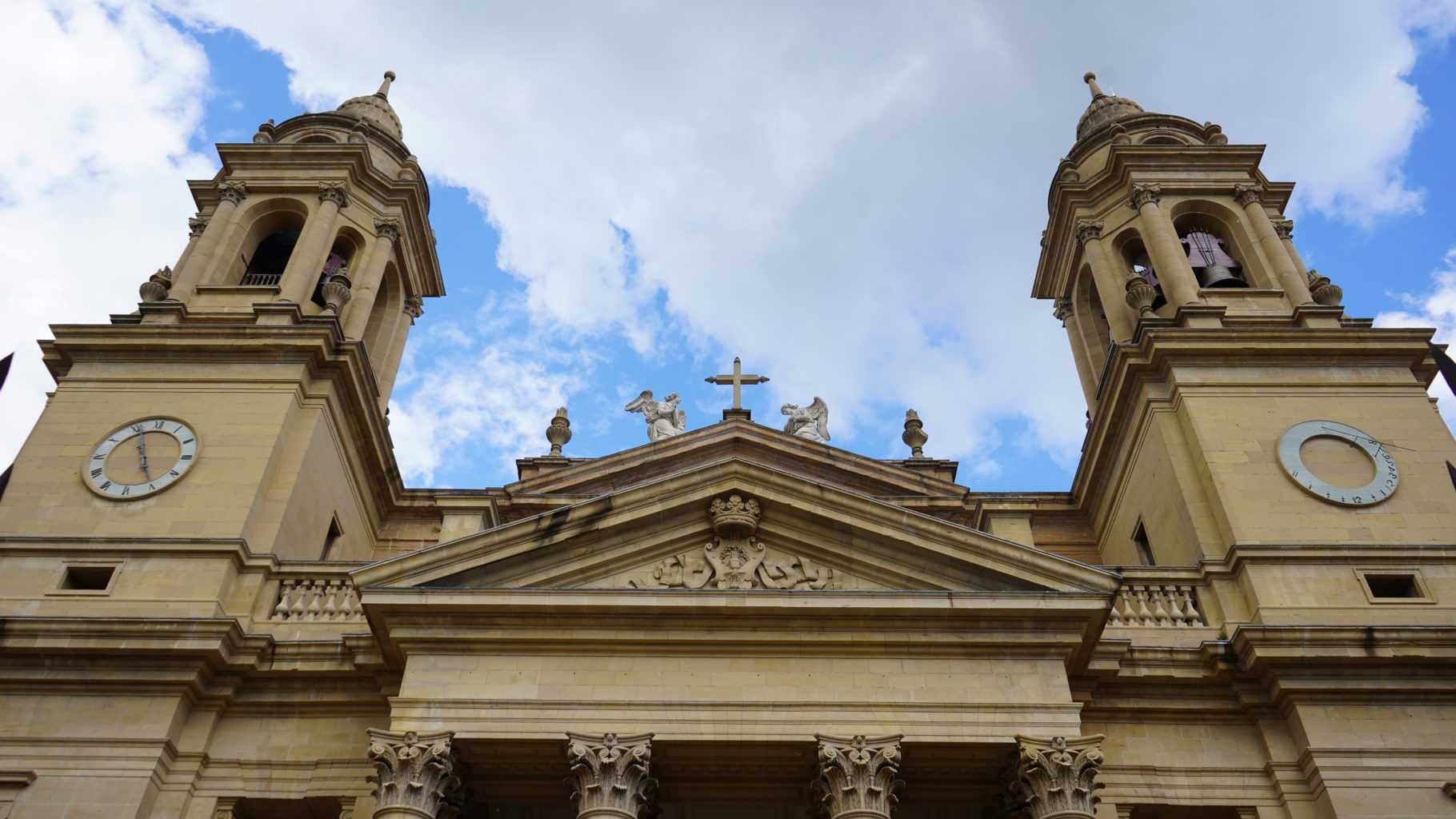
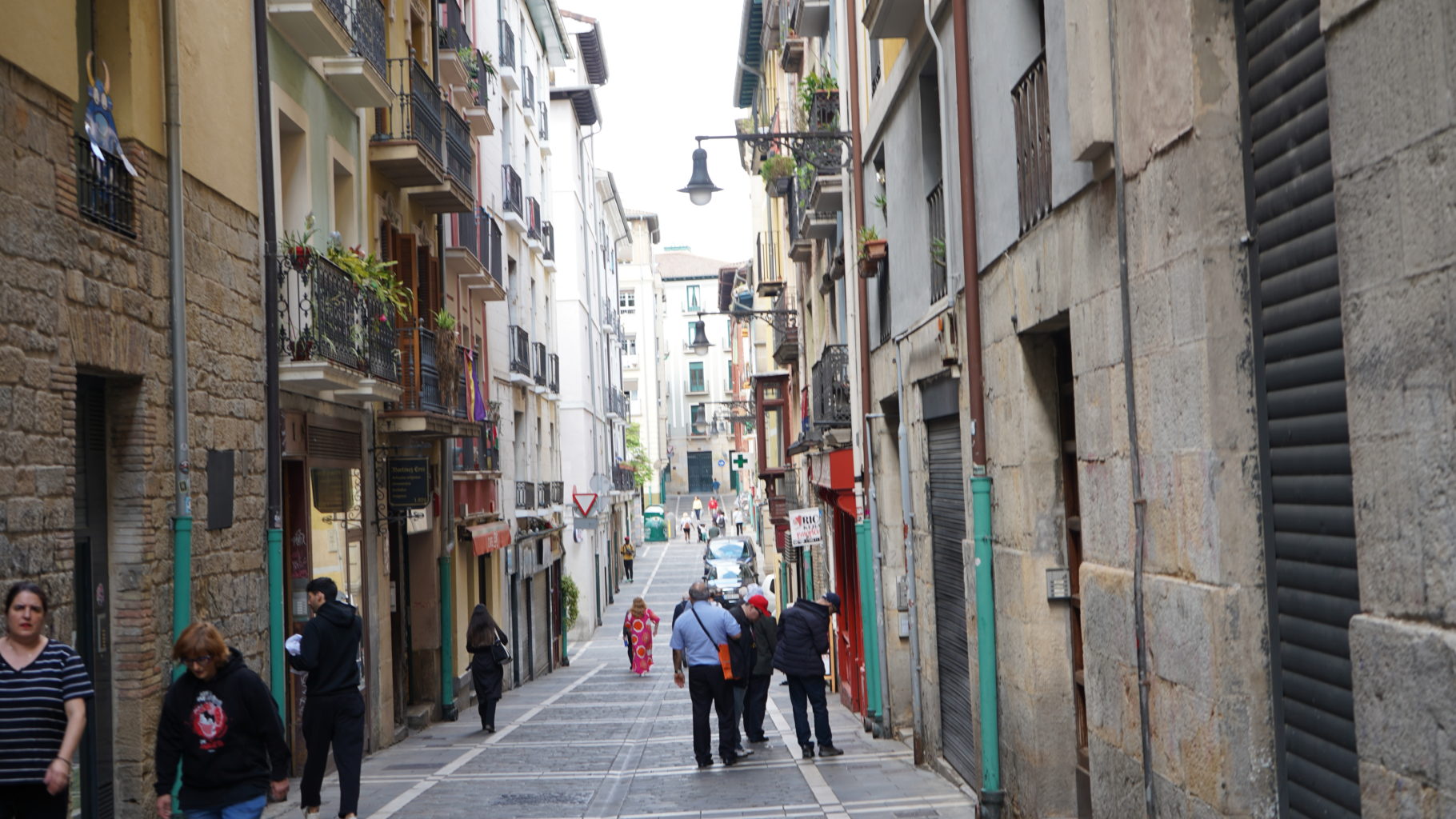
The meeting officially closed with a Eucharistic celebration presided over by Archbishop Florencio Rosello Avellanas. After the Mass, the participants headed to Pamplona for a guided tour, which allowed them to discover the historical and spiritual heritage of the city, notably its majestic cathedral as well as the churches of Saint Saturnin and Saint Fermin.