TeleDehon: A Dehonian Television for Evangelization in Italy
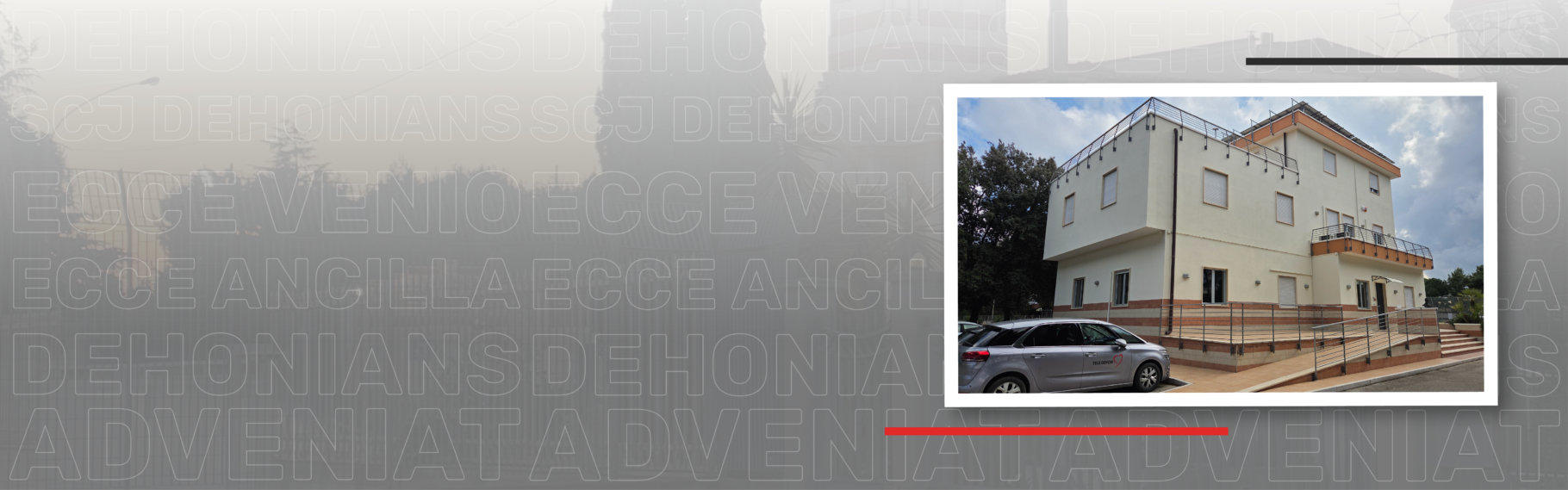


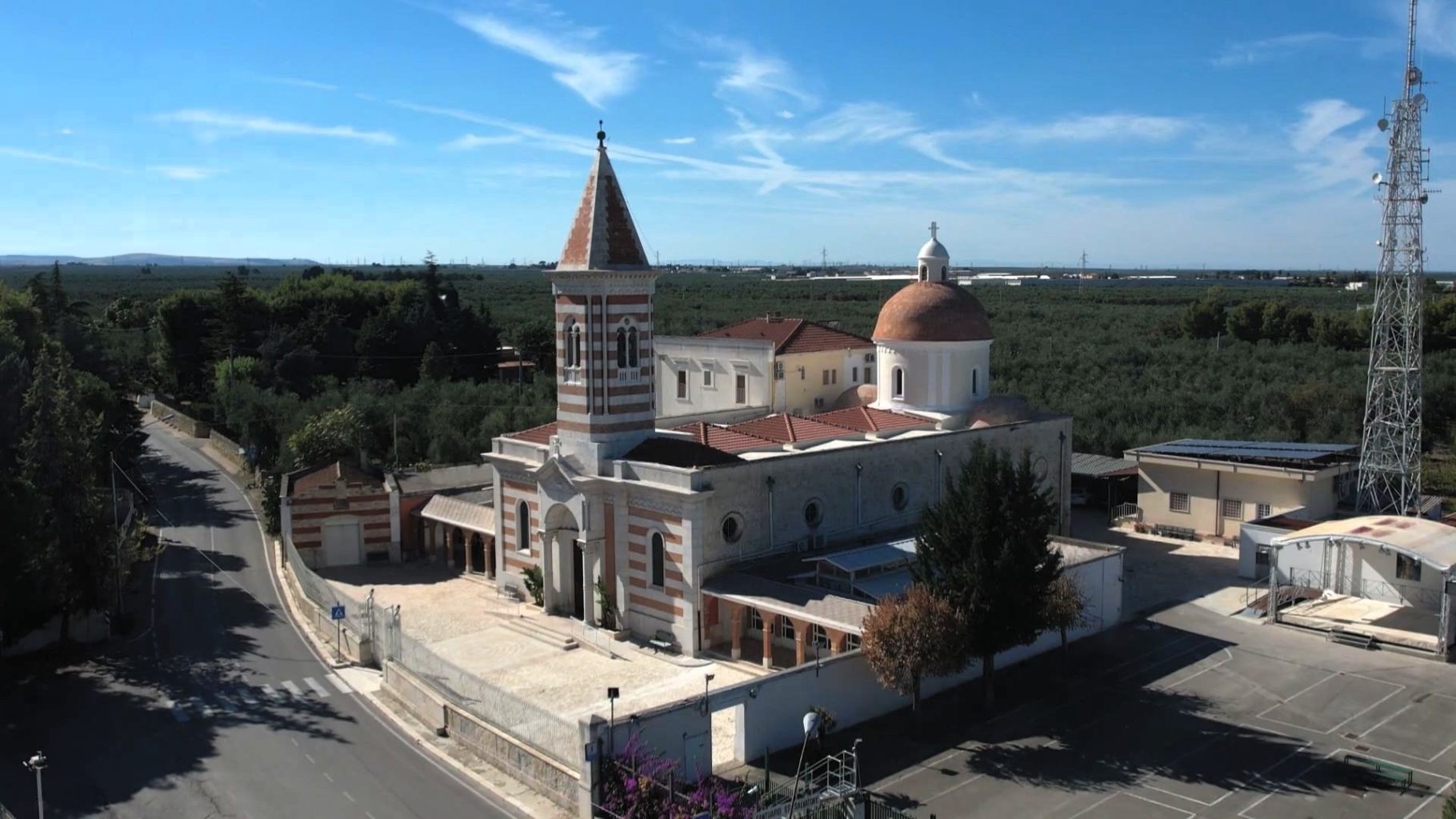
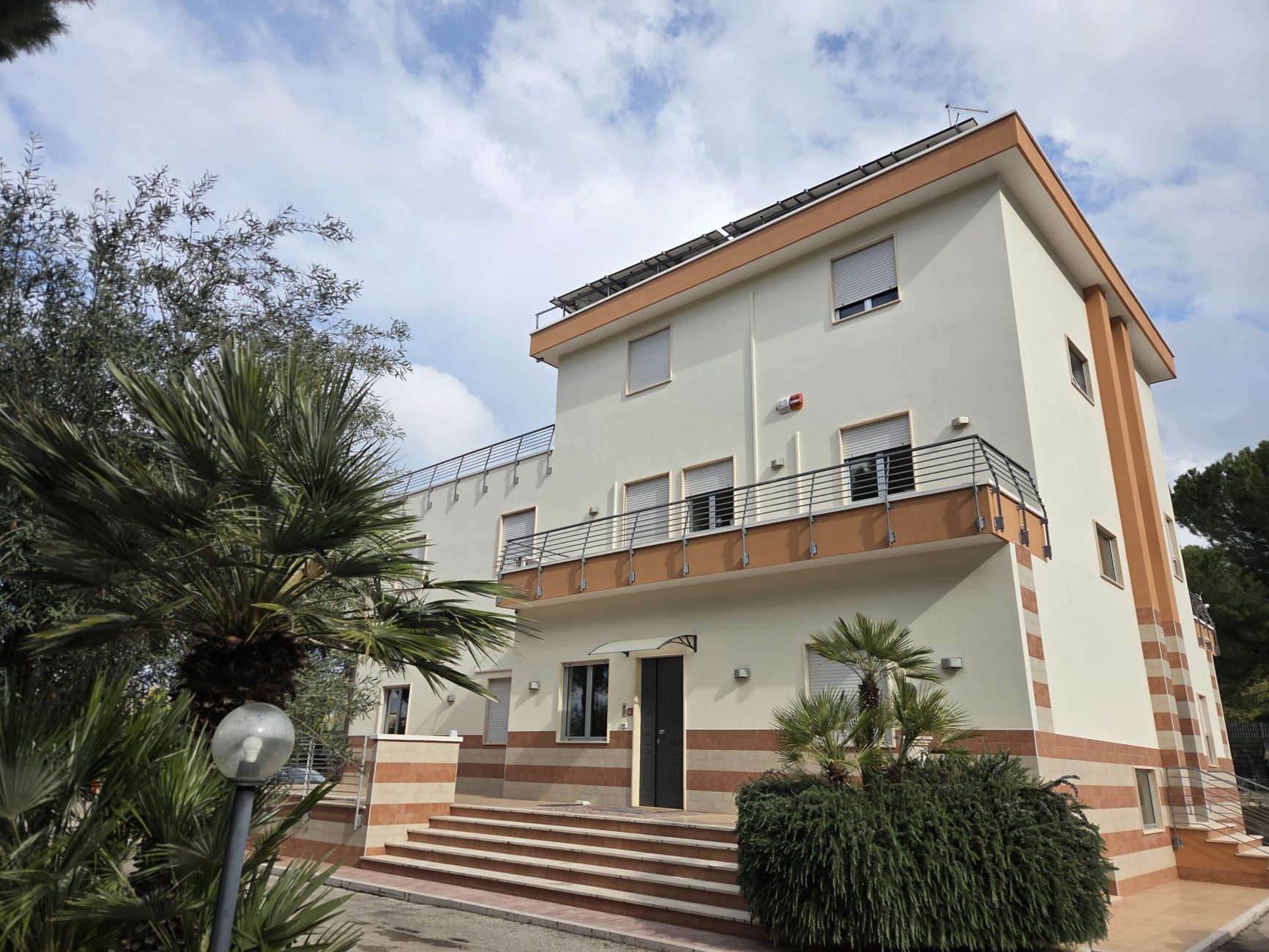
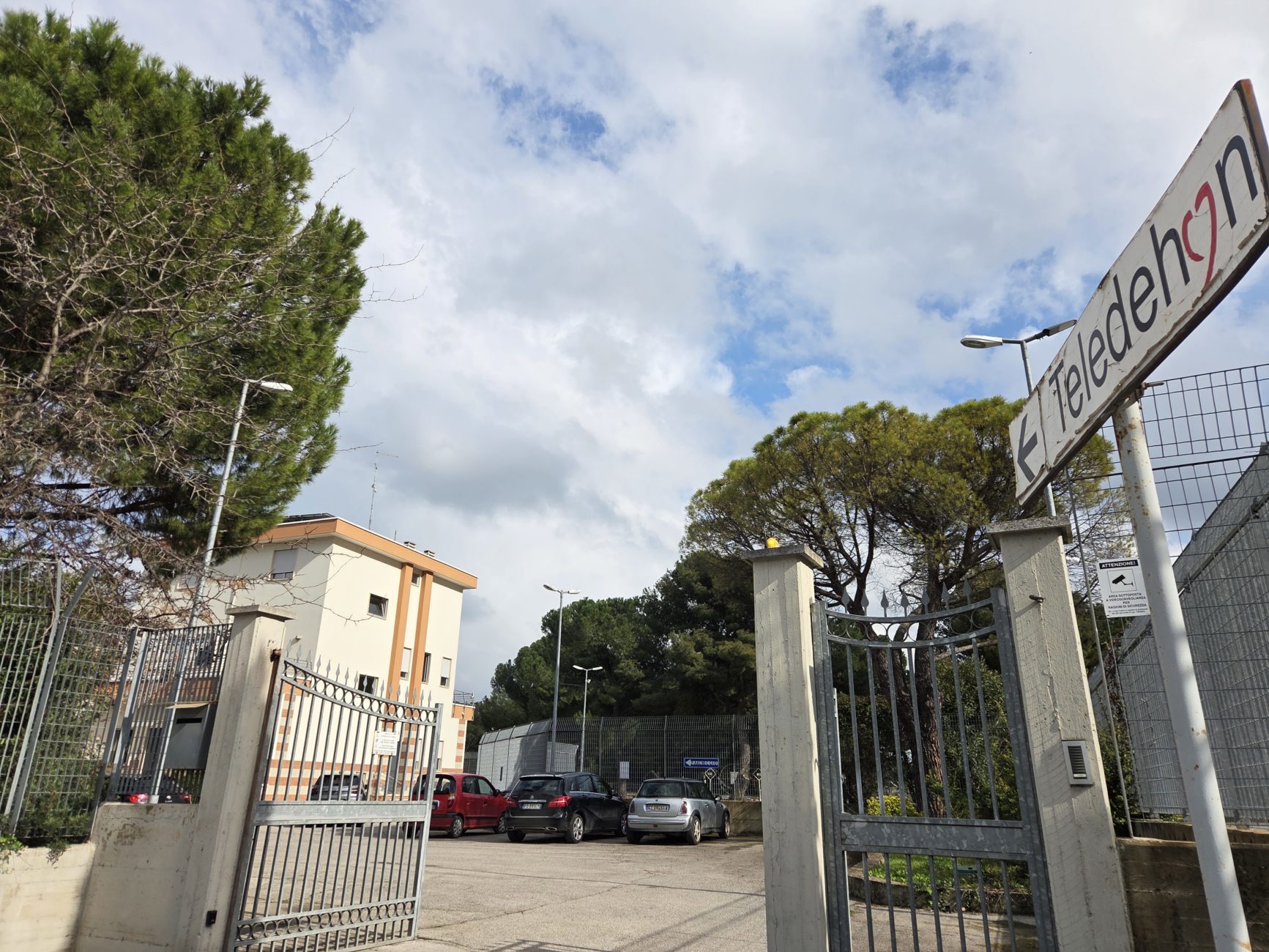
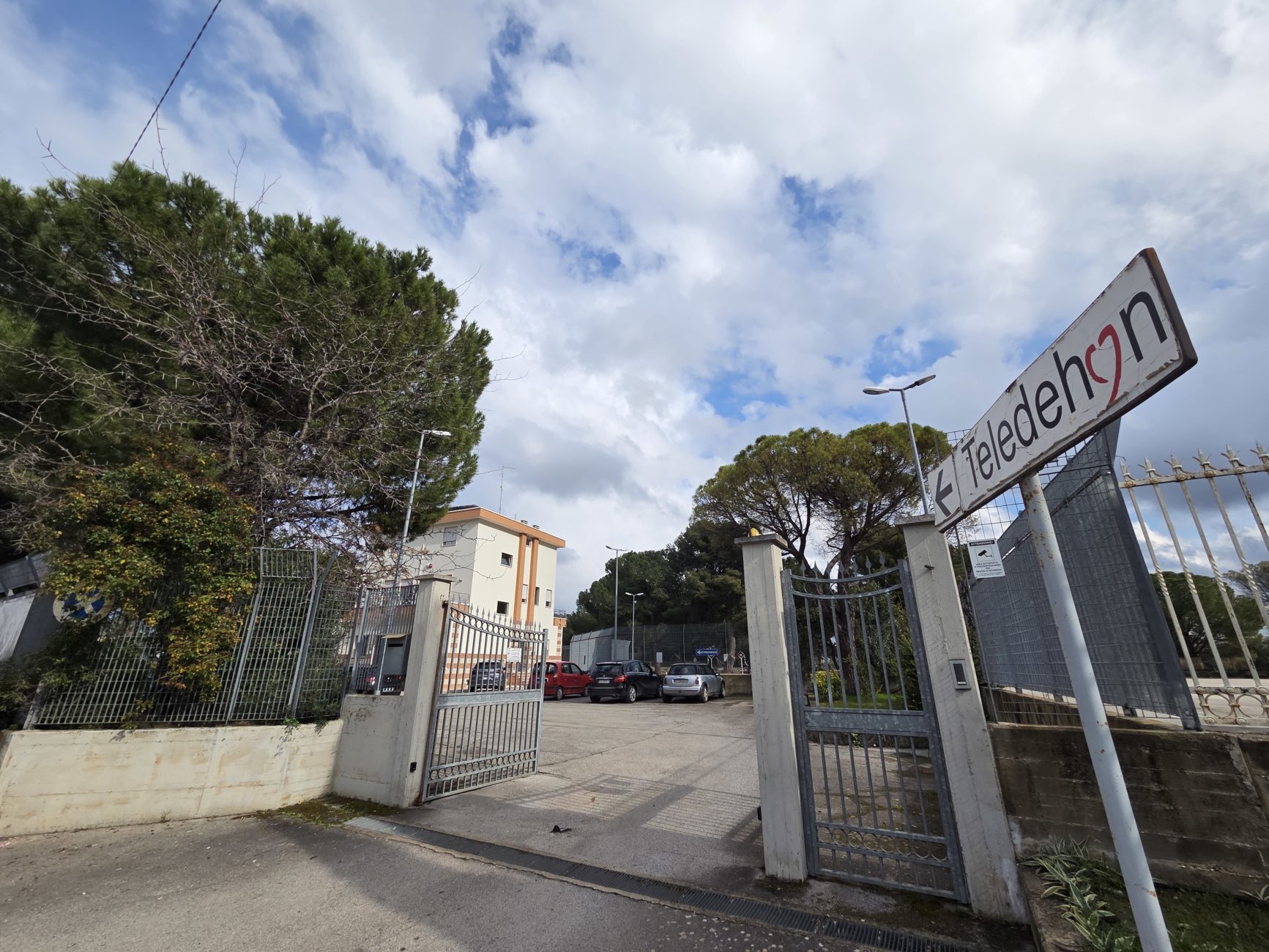
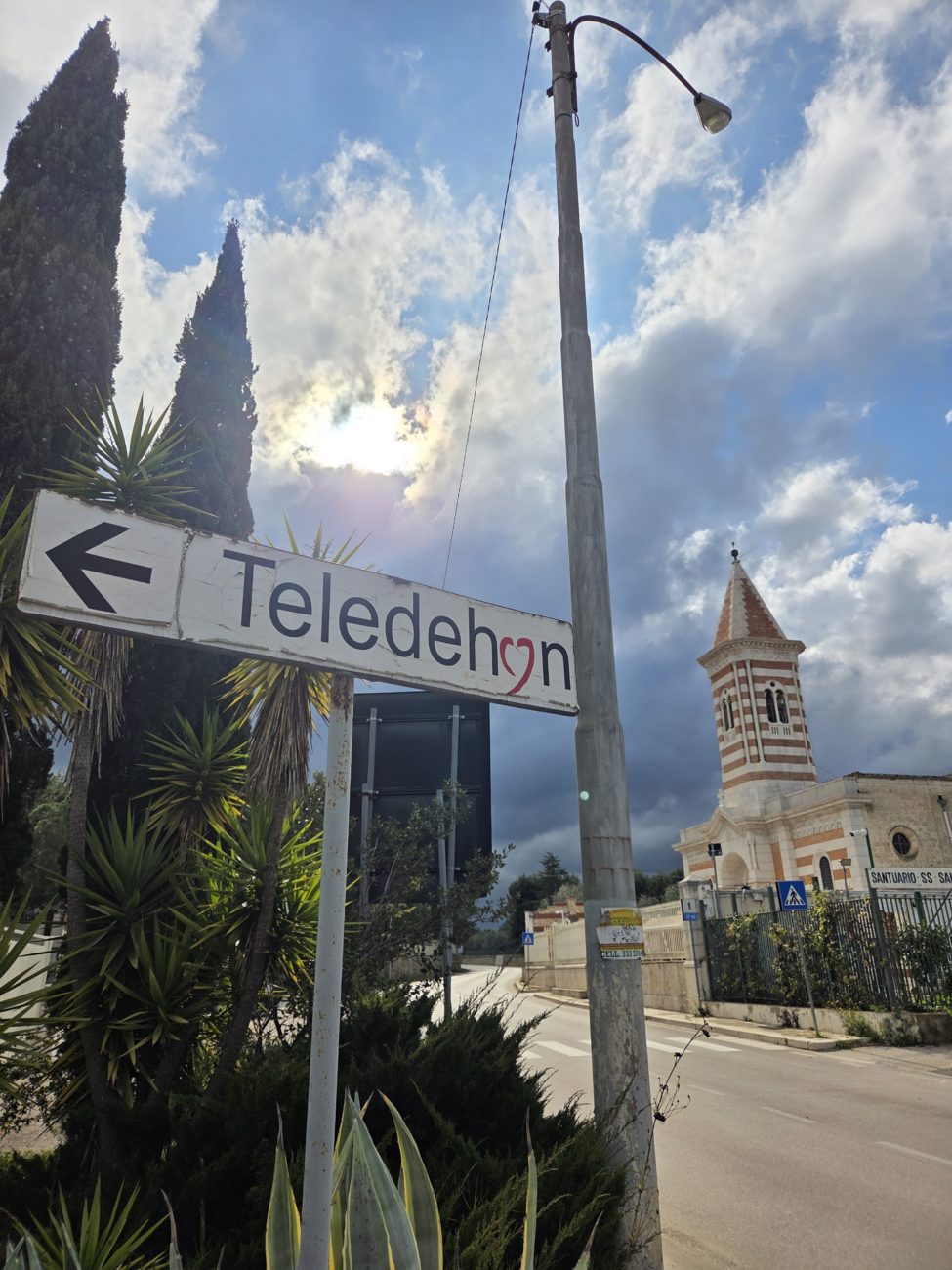
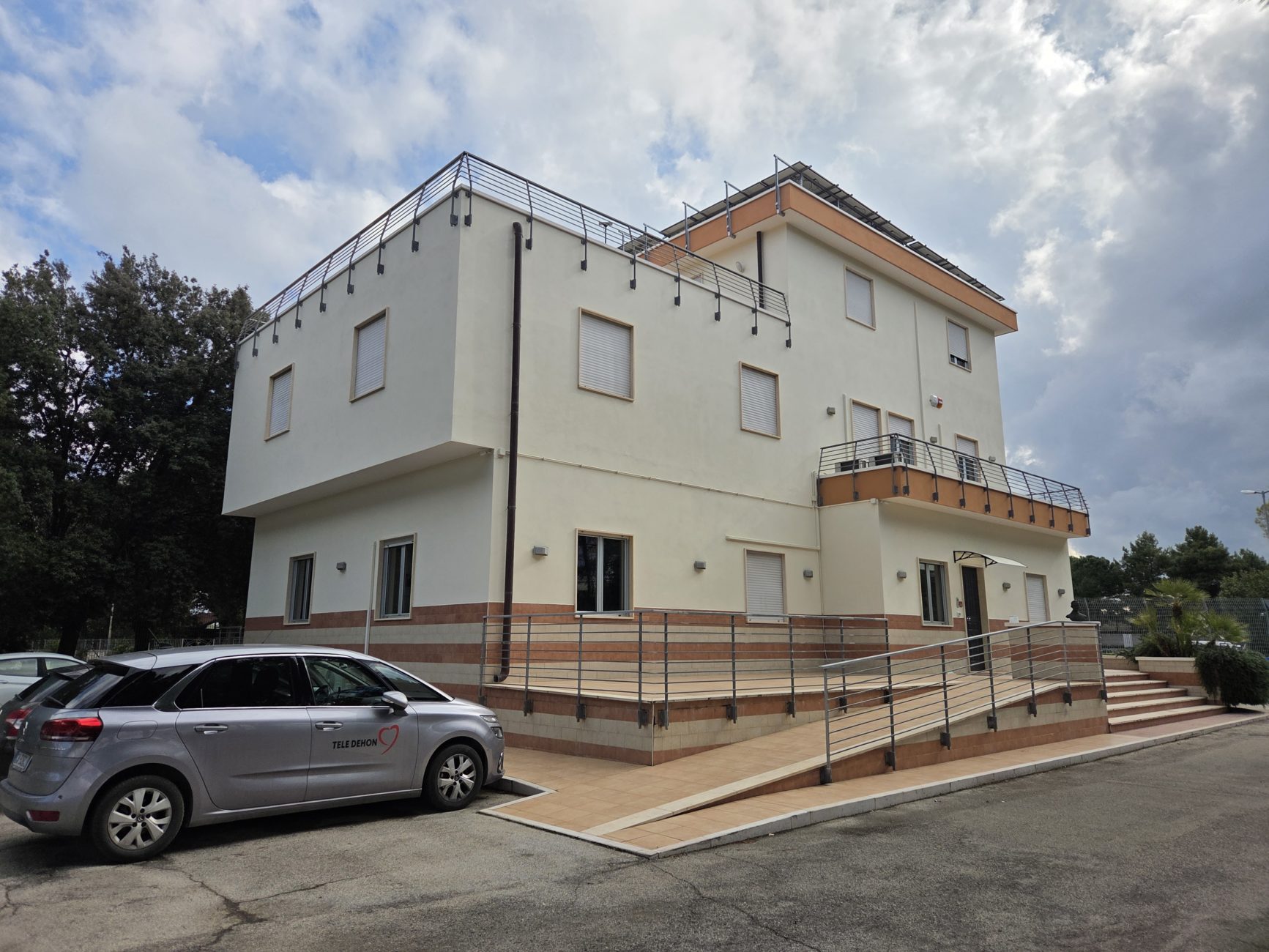
Located in Andria, in the province of Barletta-Andria-Trani in Southern Italy, TeleDehon is part of a territory deeply marked by the presence and work of the Priests of the Sacred Heart of Jesus, who over time have significantly influenced the religious and social life of the local community. Its location, next to the famous Sanctuary of the Most Holy Savior, about three kilometers from the city center, gives it a particularly significant position, closely connected to its spiritual and pastoral mission.
The Origins
An apostolic work of the Southern Italian Province of the Priests of the Sacred Heart of Jesus, TeleDehon was officially founded on May 3, 1978. Its roots, however, lie in a previous experience, “Radio Christus,” a local initiative born with the intent of bringing the work of evangelization carried out within the Sanctuary of the Most Holy Savior into homes. From that first radio project, a progressively more structured television reality developed over time, capable of evolving and renewing itself according to the demands of contemporary communication.
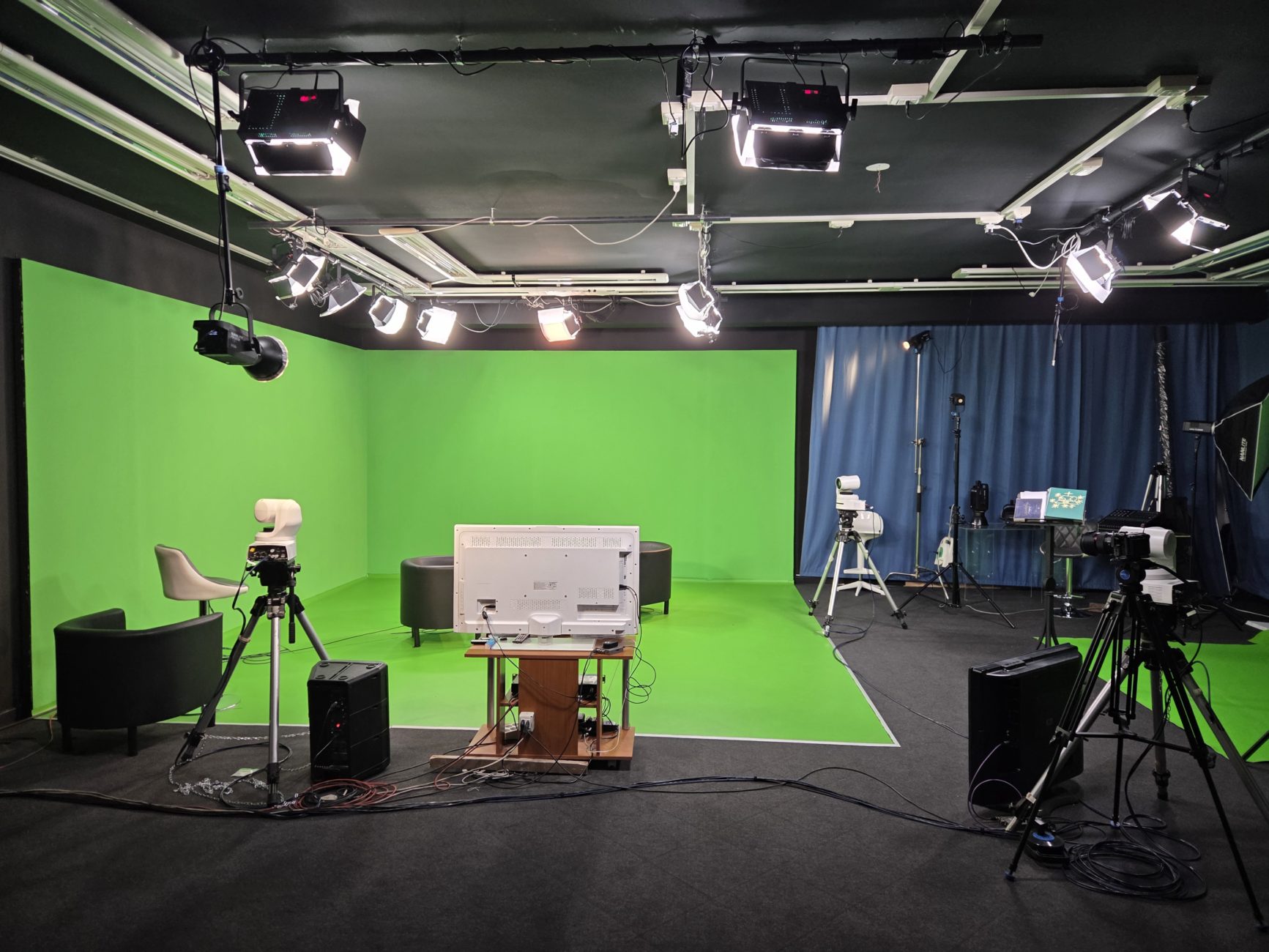
Today, TeleDehon does not limit itself to reaching four Italian regions through its digital terrestrial signal—Puglia, Basilicata, Calabria, and Campania—but extends its presence far beyond national borders thanks to new digital tools. The programming is accessible through social media channels, live streams, and content shared on YouTube, as well as the “Tele Dehon” application, available on smartphones, tablets, Fire Stick, and latest-generation televisions. Added to this is the HBBTV service which, through connection with other Catholic TVs in Italy belonging to the Corallo circuit, allows the broadcaster to be available across almost the entire national territory on television sets supporting this technology. In this sense, TeleDehon has made a true breakthrough toward accessibility that can be defined as “glocal”—local and simultaneously global.
A Dehonian Voice in the Media Landscape
At the heart of TeleDehon’s mission is the desire to translate Father Leo Dehon’s charism into a language capable of speaking to contemporary humanity. Under the direction of Father Francesco Giuseppe Mazzotta, SCJ, the broadcaster serves as a precious platform for Christian formation and the Church’s evangelizing mission in today’s society.
As a source of media apostolate, TeleDehon does not limit itself to the simple dissemination of religious content but also proposes a critical reading of reality, illuminated by faith. Holding together prayer life, ecclesial news, and social analysis, it remains profoundly attentive to the “joys and hopes, the griefs and anxieties” of the modern world, according to the expression of Gaudium et Spes n. 1. It is precisely in this fruitful tension between spirituality and attention to the signs of the times that one of the most original traits of its identity is captured.
Challenges and Future Prospects
Maintaining a media outlet with an ecclesial and missionary vocation within a heavily commercialized audiovisual landscape represents a major challenge. To safeguard its integrity and remain faithful to the pastoral mission that drives it, TeleDehon selects commercial advertisements with particular care—a choice that protects not only its autonomy but also the credibility and freedom of the message proposed.
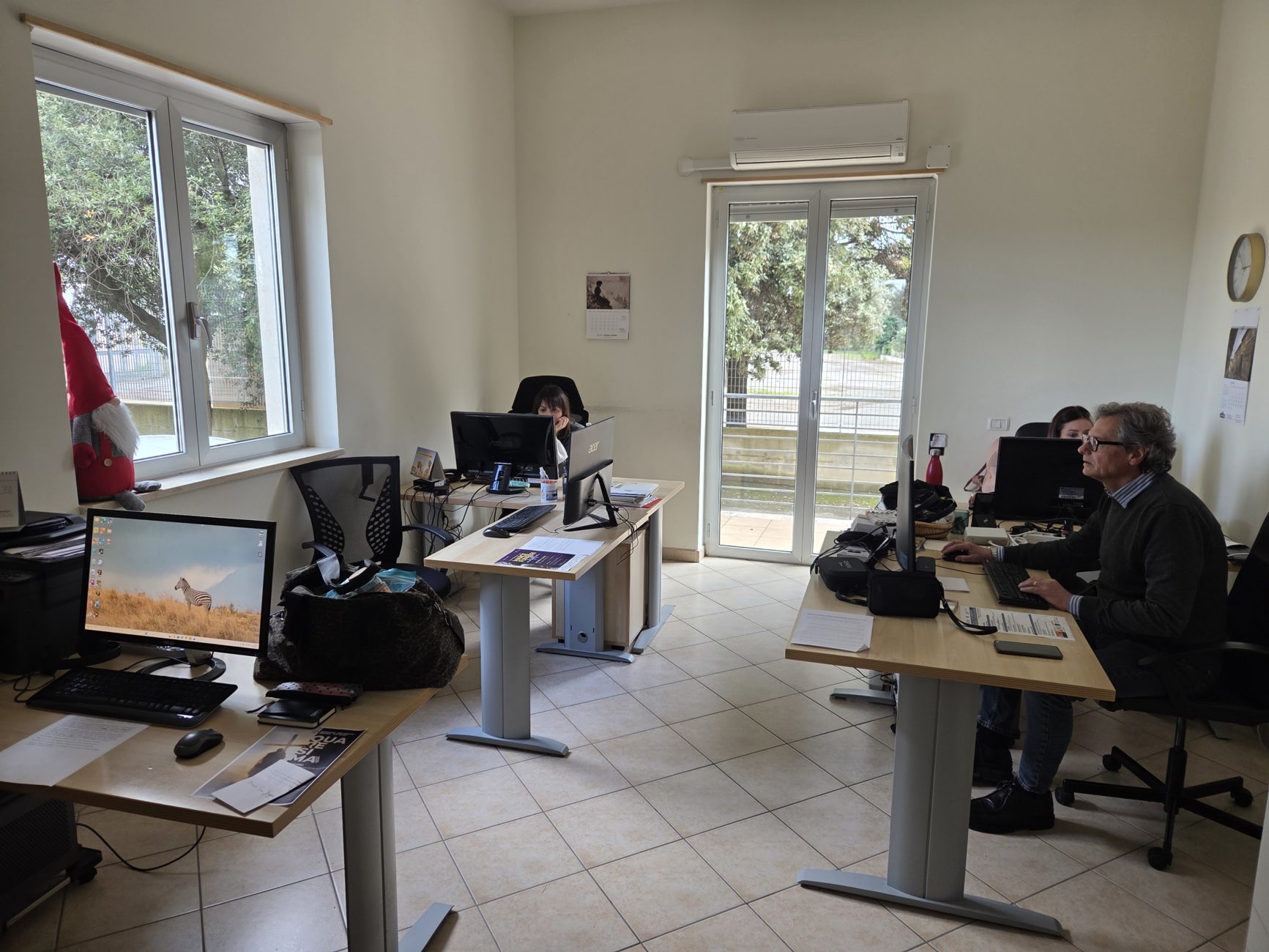
Father Mazzotta realistically acknowledges how demanding the path ahead remains. Currently, the broadcaster can count on a team of about 20 people, but two decisive issues remain:
- Economic sustainability: maintaining a network with an adequate technical level, without resorting to massive advertising revenue, requires constant attention in resource management.
- Generational renewal: faced with the aging of the members of the ITS Province, there is an increasingly urgent need to find and train a new generation capable of taking up and continuing this legacy.
Investing in the Future
For TeleDehon to continue to grow and bear fruit, attention is focused today particularly on training and collaboration, as Father Mazzotta himself emphasizes. The future of this work will depend on the ability to empower lay professionals, attract new collaborators, and build solid continuity between professional competence and Dehonian spirituality. In this perspective, TeleDehon aspires to remain a fruitful and prophetic voice within a society in constant transformation, faithful to its roots and, at the same time, open to the challenges of the present and the future.