Dehonian Jubilee in Kisangani: The Memory of the Martyrs Calls for the Protection of Life
The memory of the martyrs, self-giving, and the protection of life formed the guiding thread of the activities on the second day of the Dehonian Jubilee, Tuesday, November 24, in Kisangani, in the northeastern Democratic Republic of the Congo.


From reflections on the meaning of martyrdom and missionary heritage to a visit to the Saint-Laurent Center, dedicated to supporting vulnerable children, participants were invited to translate fidelity to the witnesses of the faith into a concrete commitment to peace, reconciliation, and human dignity.
Martyrdom, a Seed of Life and Fidelity
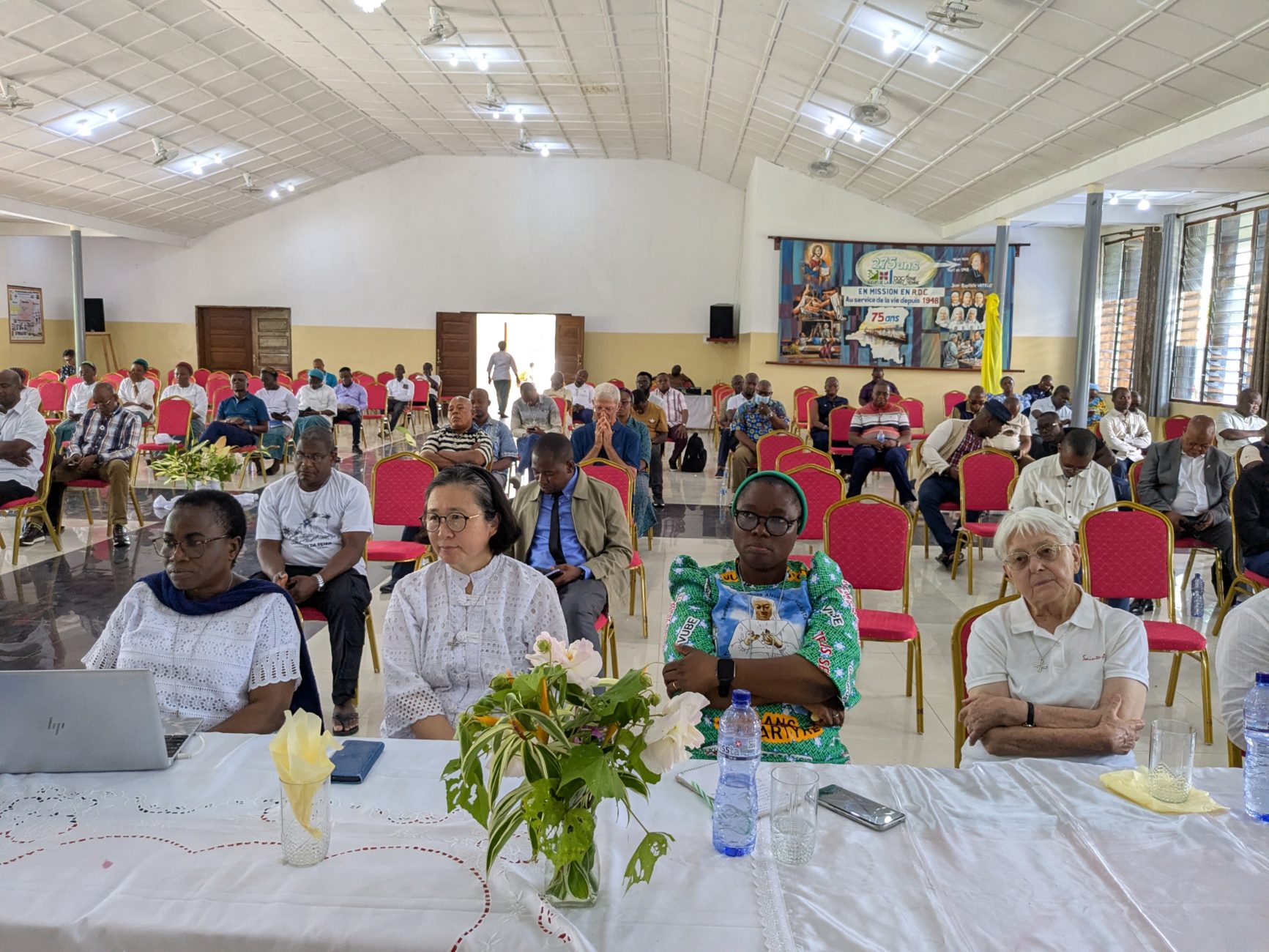
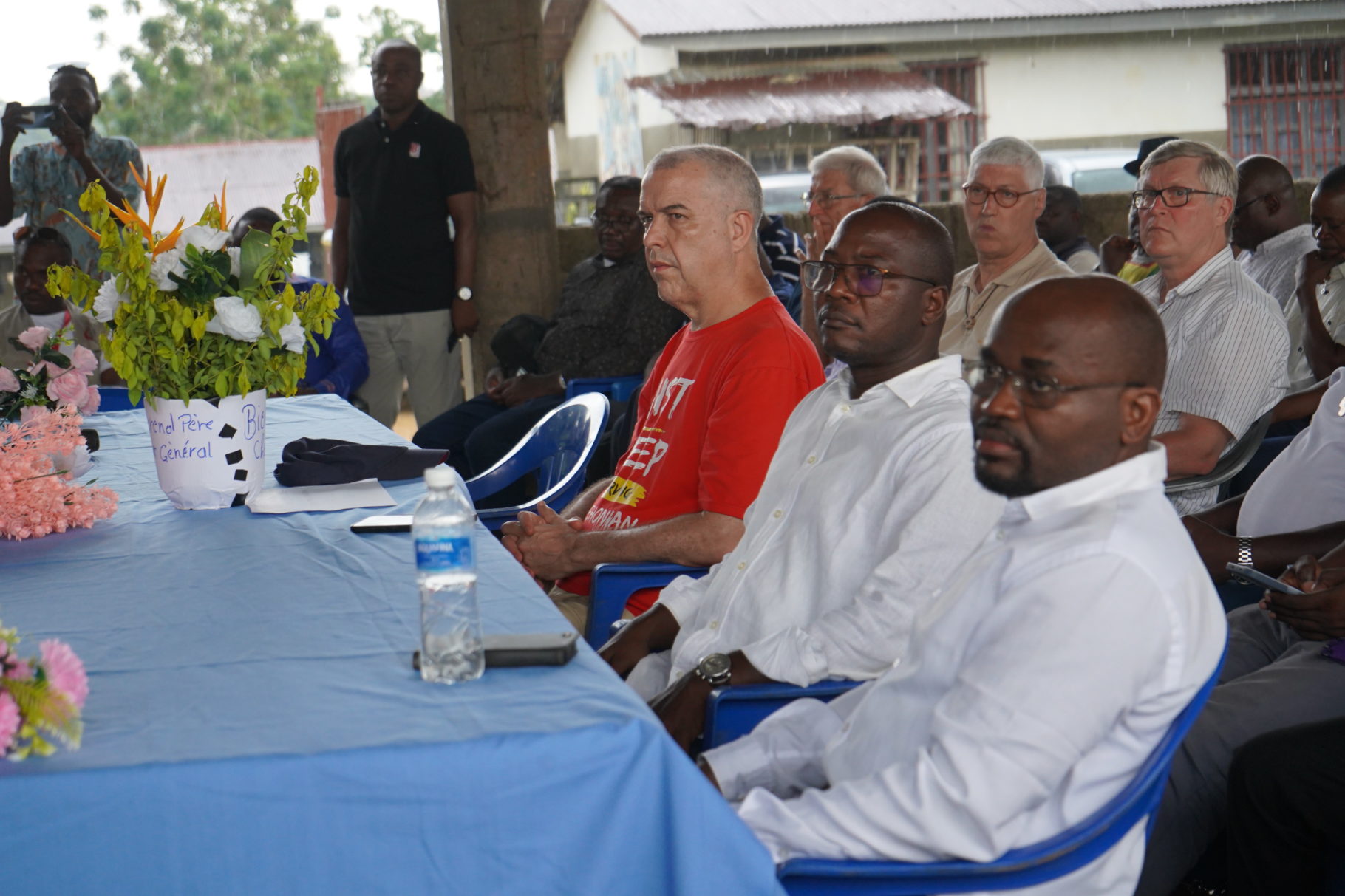
The day’s presentations first explored the spiritual meaning of martyrdom and oblation in the Christian tradition and Dehonian spirituality. In his address, Father Stefano Zamboni, SCJ, Provincial Superior of Northern Italy, expanded on the fruitful dimension of the martyrs’ witness, drawing on the maxim, “The blood of Christians is a seed.” He explained that the sacrifice of the witnesses of the faith does not represent a mere historical tragedy, but a seed of life called to bear fruit in the world. Drawing notably on Georges Bernanos’s work Dialogues of the Carmelites, he demonstrated that martyrdom is not an isolated individual act, but is part of a dynamic of solidarity, communion, and mutual self-giving.
Continuing this reflection, Father Clément Mahindo, Novice Master of the DRC Province, addressed oblation and martyrdom in Dehonian spirituality. He recalled that offering does not consist merely of giving something to God, but also of offering oneself, in an attitude of interior availability and daily fidelity. He particularly emphasized “dry martyrdom” (or martyrdom by slow fire), which manifests itself in service, constancy, and self-giving even in the small things of life. According to him, this daily fidelity constitutes a way of living Christ’s oblation at the heart of ordinary realities.
The Martyr Sisters, a Missionary Heritage to Pass On
The reflection on the witness of the martyrs also took on a historical dimension with the address by Sister Félicita Mpala, Regional Superior for Africa of the Congregation of the Sisters of Christian Doctrine. She traced the origins of this congregation in France before returning to its establishment in the Congo in 1950 and the trials endured by the religious sisters during the unrest and rebellions that marked the country, particularly in 1964. Her address notably paid tribute to the seven martyr sisters—Sisters Alberte, Ludovica, Adrienne, Léonie, Saint-Jean, Norbert-Marie, and Françoise-Xavier—who gave their lives on Congolese soil.
Evoking the fruitfulness of their sacrifice, she recalled that their witness helped seal a deep bond between the congregation and the Congolese people. Furthermore, she exhorted African religious sisters to take up the torch of this missionary heritage in faith, hope, and service to communities.
Father Kuyate Pleads for a Memory of the Martyrs Without Hatred or Vengeance
Beyond historical commemoration, Father Joseph Kuyate invited participants to examine the current relevance of the martyrs’ witness in a Congo still confronted with violence and division. In particular, he championed a memory that unites rather than divides, and that contributes to building a just peace. Inspired by the attitude of Christ and Stephen toward their executioners, he insisted on the rejection of vengeance and the power of forgiveness. “The memory of the martyrs can help build peace, and a just peace. It is a memory without the seed of hatred,” he emphasized, recalling that words of forgiveness can bear lasting fruit. According to him, this approach also requires educating younger generations in understanding evil and in forgiveness. Speaking of the responsibility of those who commit violence, he stated that evil reflects a loss of humanity, without in any way justifying the acts committed. “The school of the martyrs is teaching our children to forgive,” he declared, pleading for a justice that is not limited to punishment, but also opens a path to healing.
Father Kuyate also warned against the instrumentalization of the martyrs’ memory for purposes of division or manipulation. For him, an authentic memory must transcend racial, political, and denominational divides in order to embrace all victims and preserve human dignity.
Finally, placing this witness back into the history of the Church in the Congo, he recalled that today’s faith is the fruit of the missionaries’ sacrifices, as well as the hope carried by the generations that preceded them. “Today’s harvest is the result of the seeds of the past,” he observed. He thus called for extending this heritage through actions in favor of the common good, reconciliation, justice, and support for displaced persons, while refusing to draw young people into violence. “How can we be faithful to those who gave their lives yesterday if we do not learn to protect life today?” he asked.
At the Saint-Laurent Center, the Dehonians Welcome, Educate, and Protect Abandoned Children
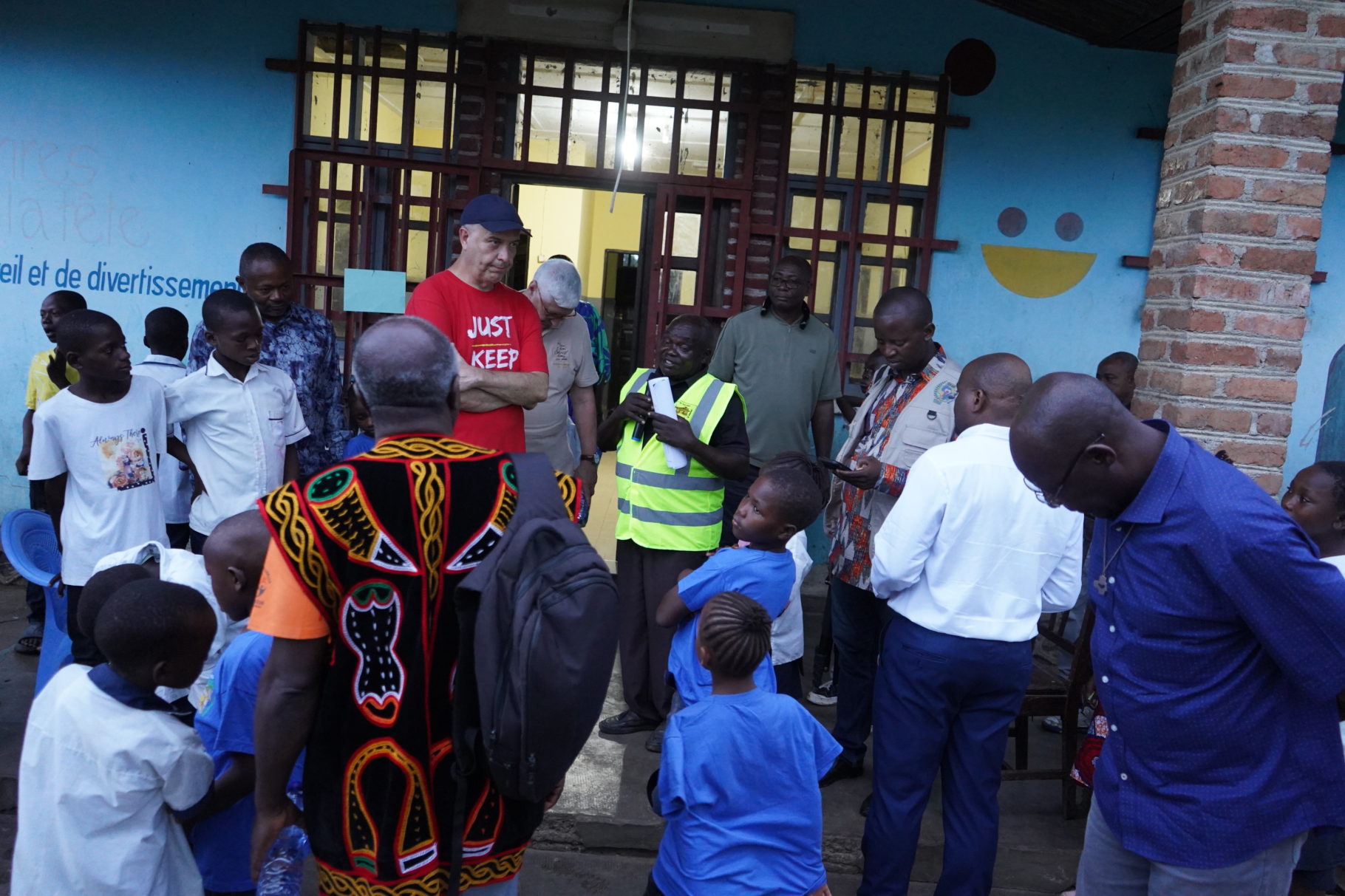
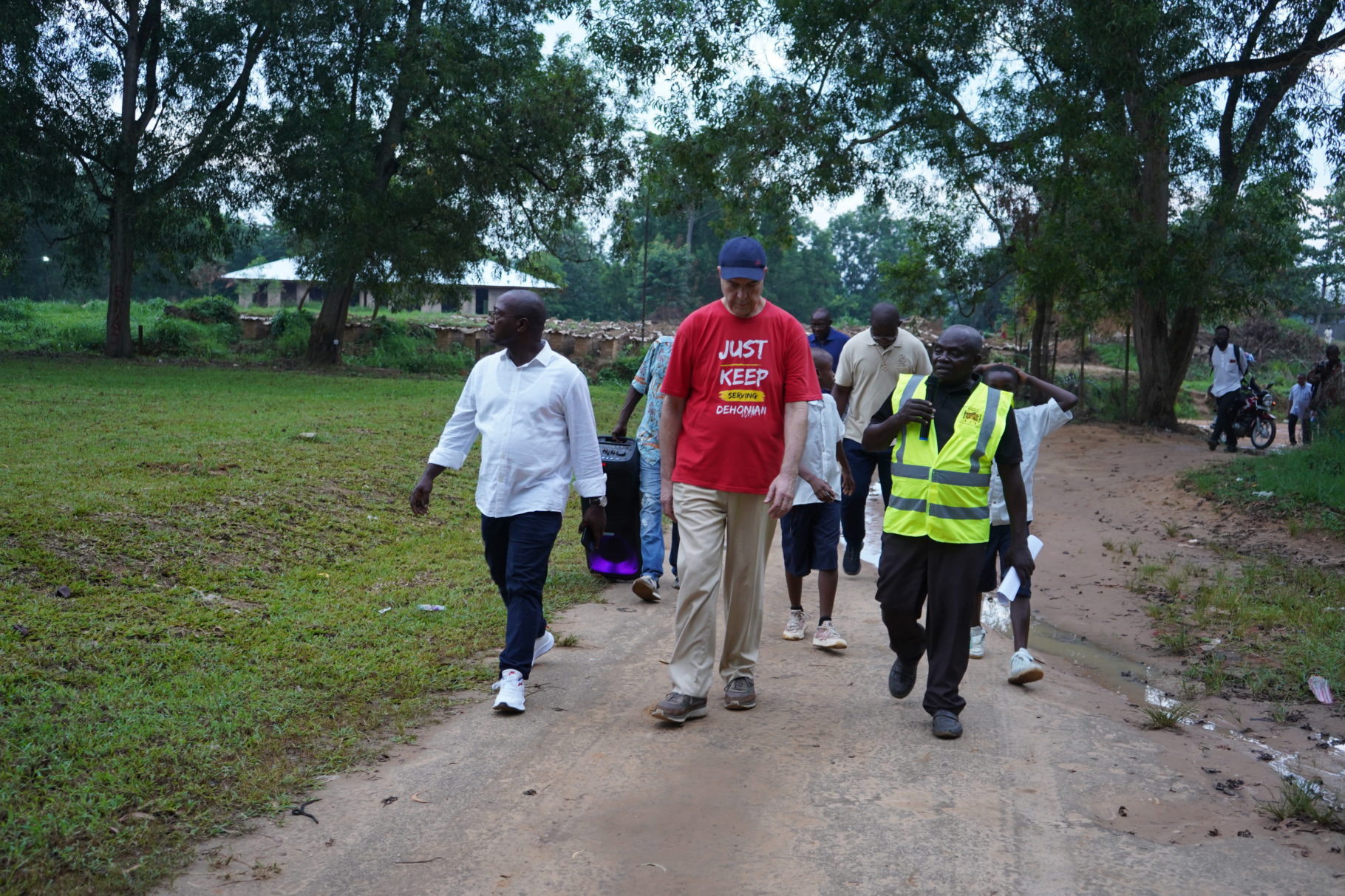
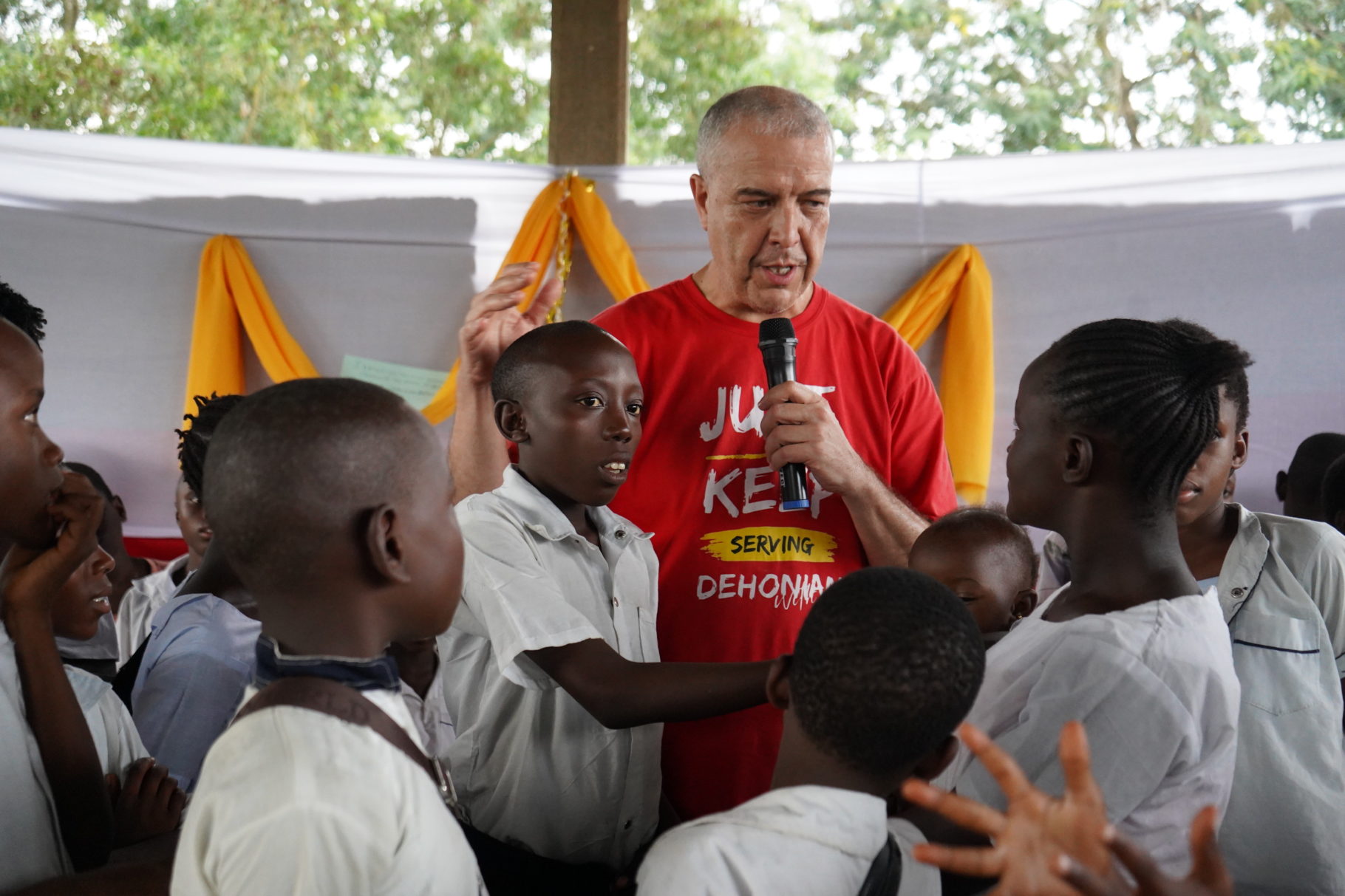
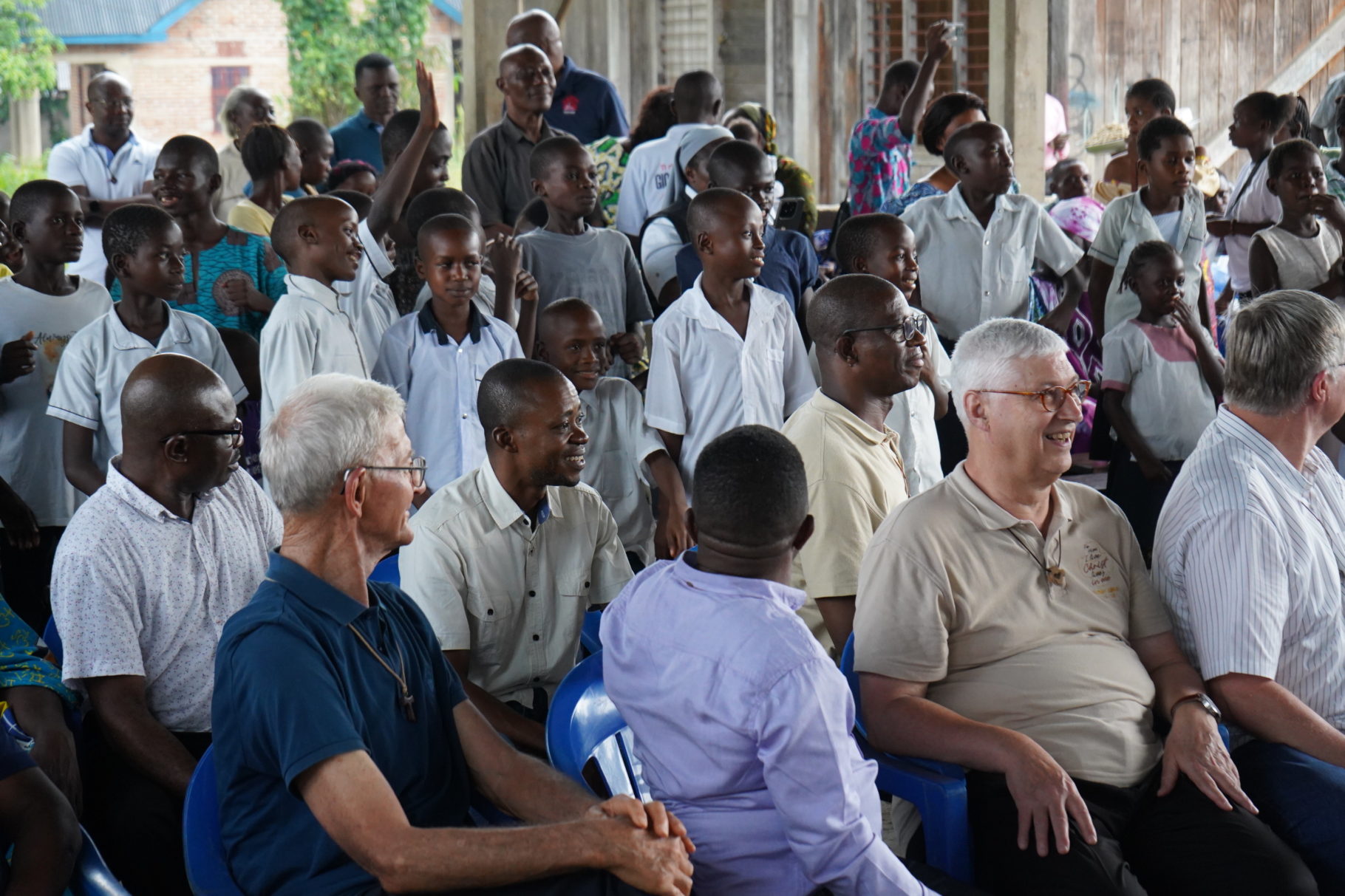
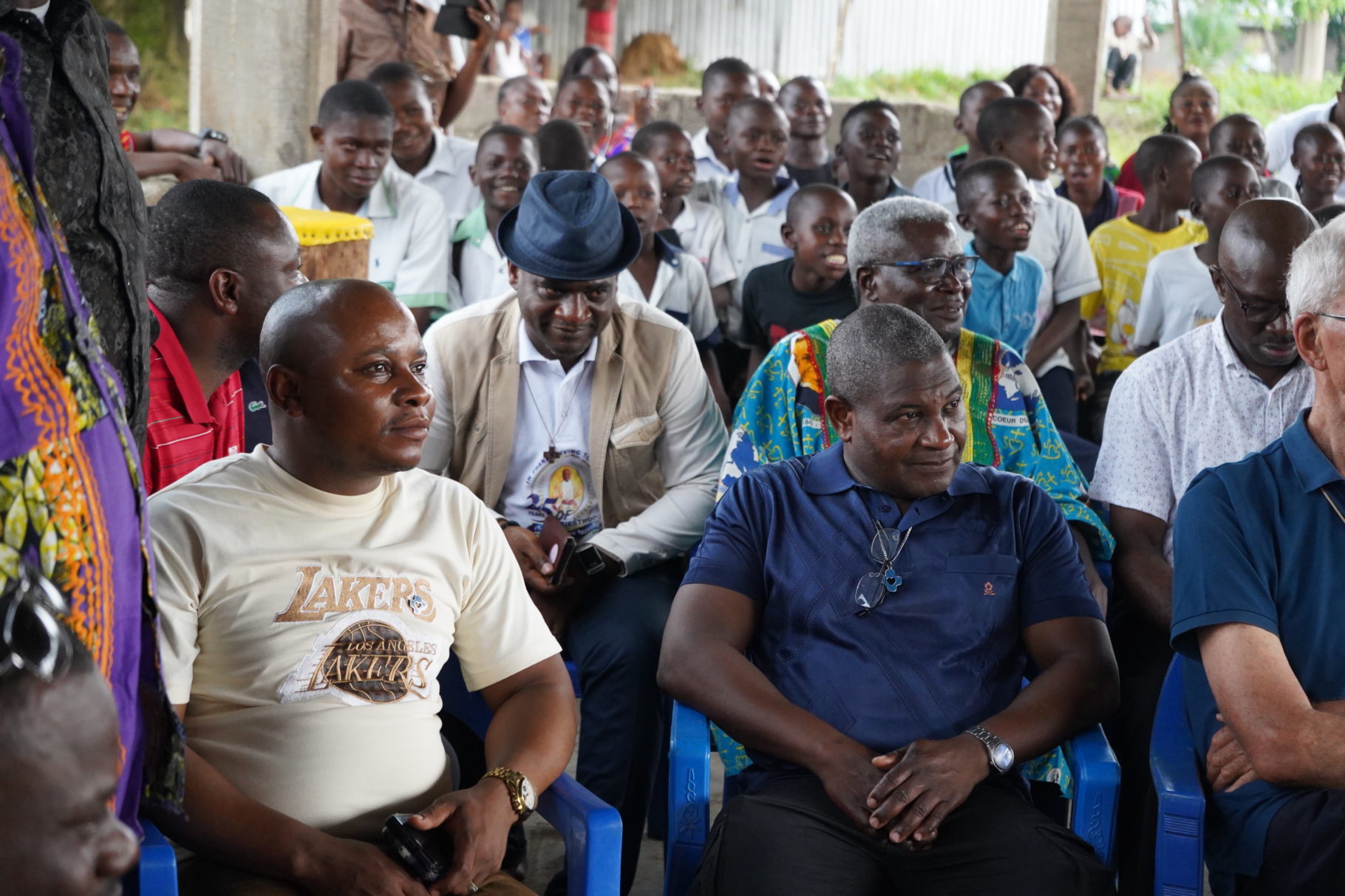
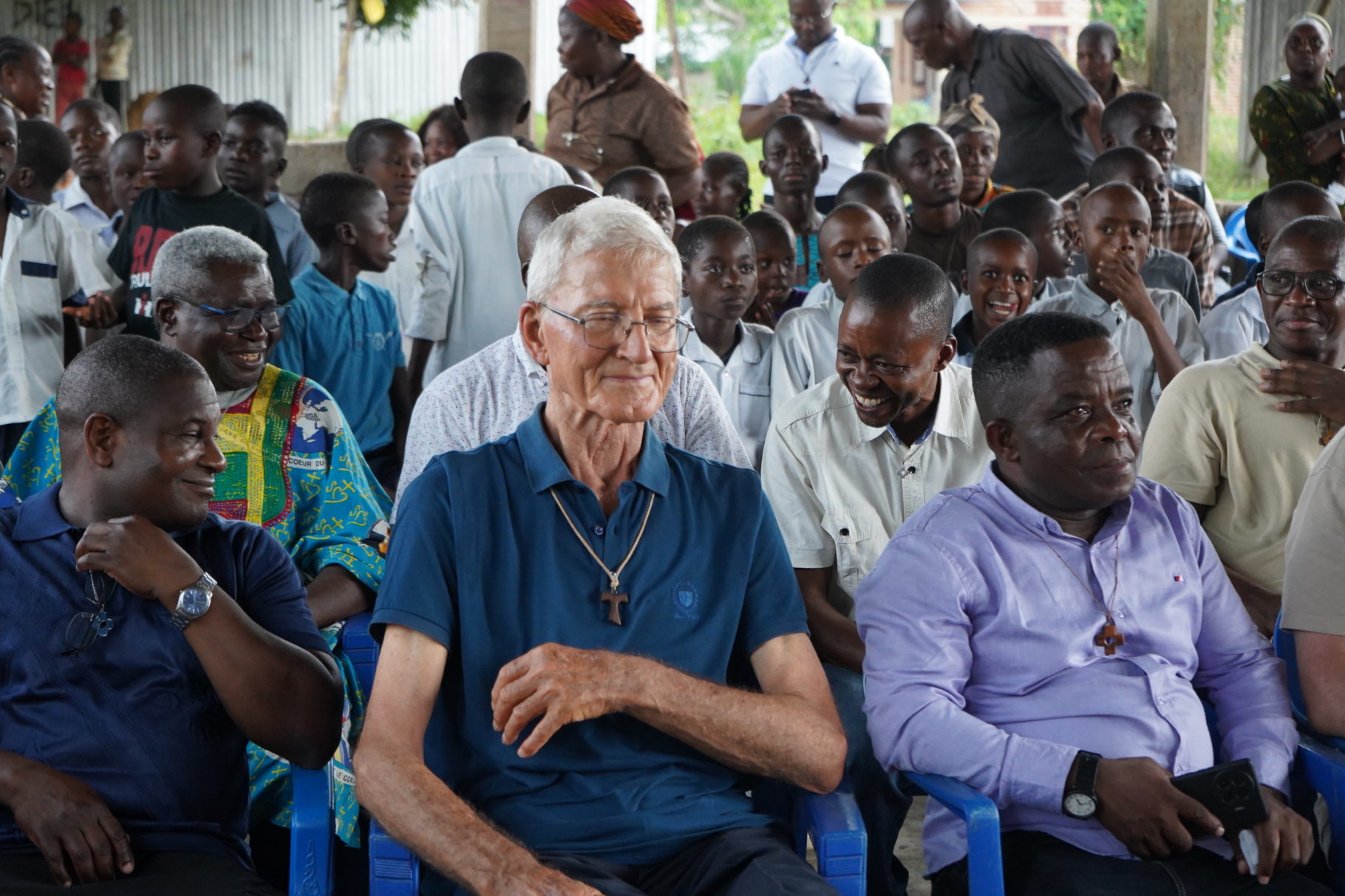
This call to protect life found a concrete extension during the participants’ visit to the Saint-Laurent house, a facility dedicated to welcoming and supporting children experiencing family breakdown or in conflict with the law.
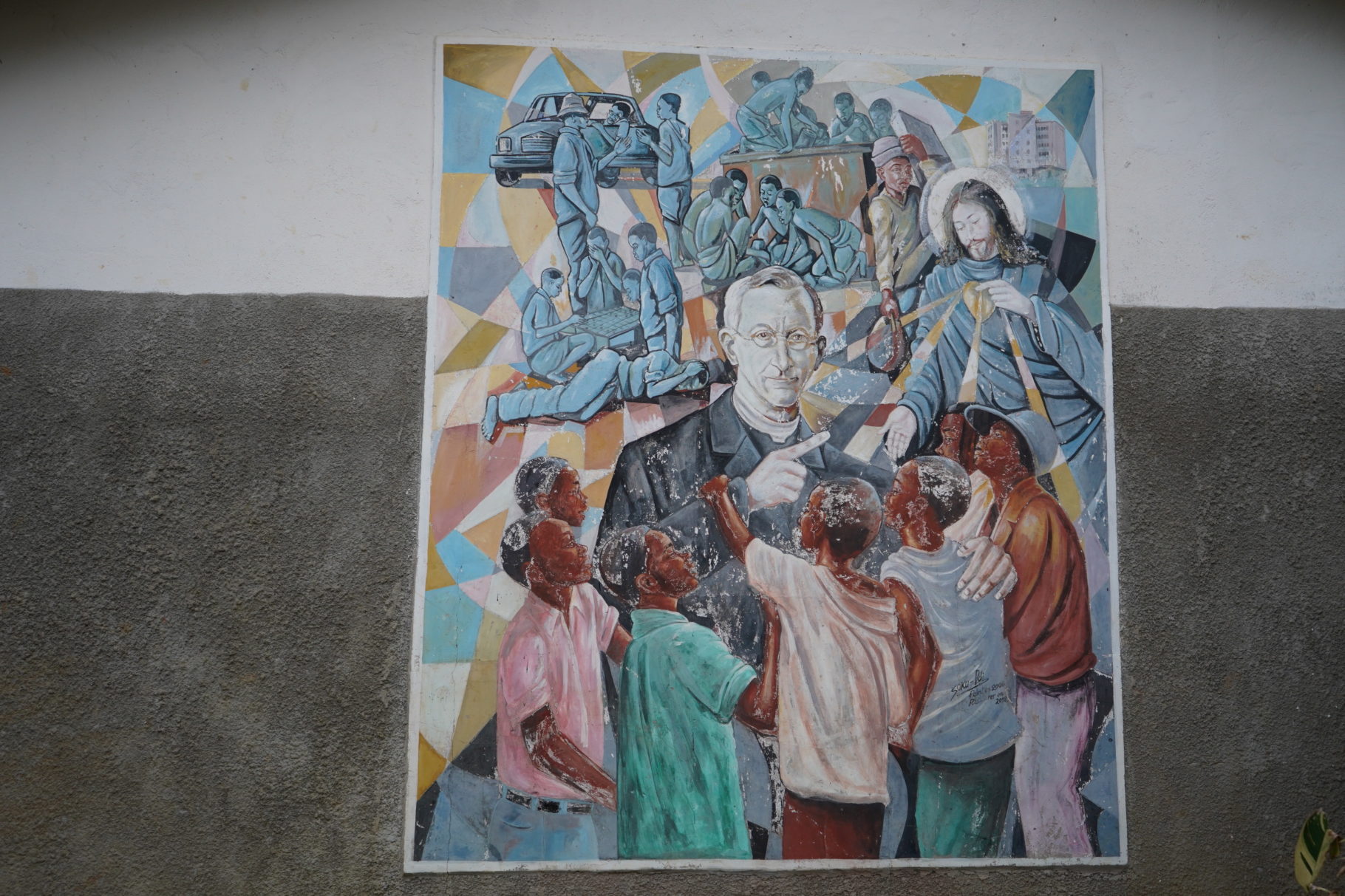
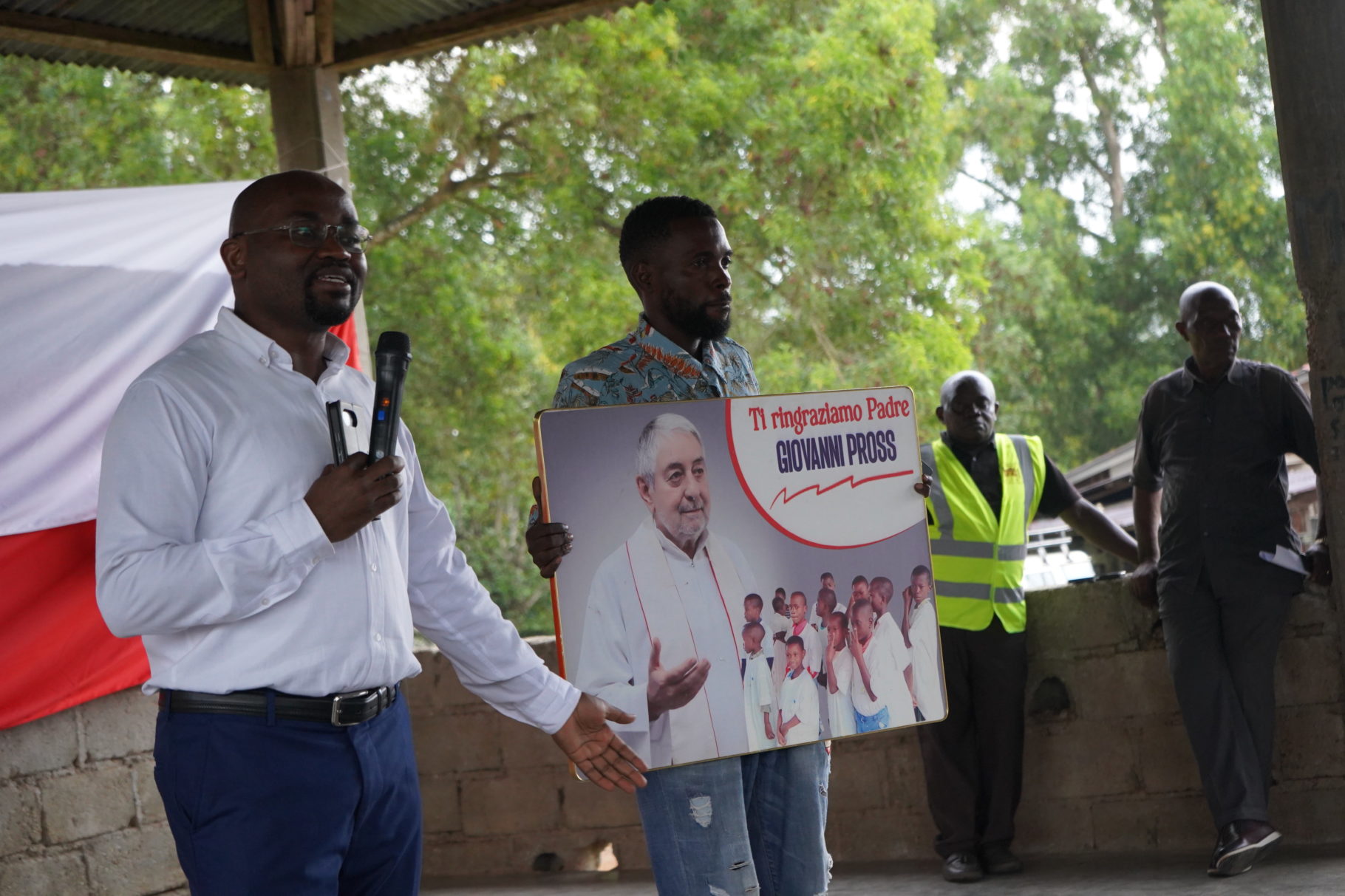
On this occasion, the leadership, headed by the center’s director, Fr. Jean Robert Limbaya, SCJ, traced the origins of this work, which dates back to 1988–1989. The initiative was born after a Priest of the Sacred Heart of Jesus discovered children and adolescents detained in the same cells as adults. Concerned about the risks to which these young people were exposed, he took steps with local authorities to obtain authorization to take them into care.
Since its creation, the center has developed several areas of intervention, notably education, vocational training,psychosocial support, medical care, and family reunification. Its school system also includes a catch-up program allowing children who have experienced interrupted schooling or a lack of education to resume their educational journey in three years, before potentially continuing their studies in secondary school (humanities).
Through this work, the Priests of the Sacred Heart of Jesus strive to respond to situations of abandonment, family breakdown, abuse, and social vulnerability, offering the children welcomed opportunities for reintegration and building a better future.
The Superior General Encourages the Children to Build Their Future
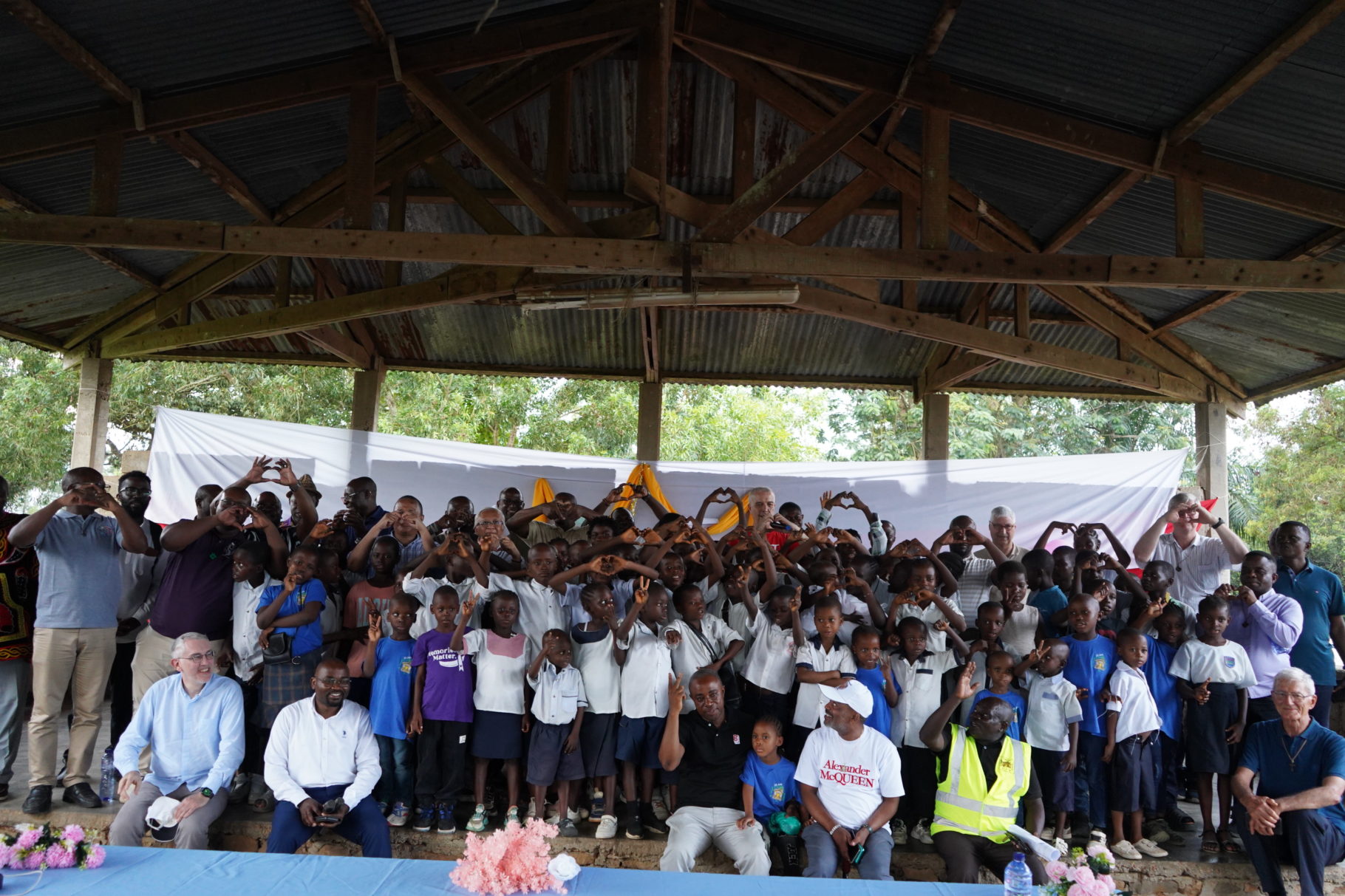
The visit was also marked by the address of the Superior General of the Priests of the Sacred Heart of Jesus, Father Carlos Luis Suárez, who expressed his gratitude to the children for the lesson their presence brings to adults. “Your presence teaches us. You remind us of the face of Christ. Your joy illuminates our lives,” he told them, before encouraging them to recognize their role in building their own future. He particularly urged them to prioritize studies,friendship, and solidarity, emphasizing that Kisangani and the Congo need them. According to him, each one is an important actor in building the future, alongside the educators, religious, and all collaborators of the center.
This encounter thus gave a human dimension to the reflections developed throughout the day, illustrating the commitment of the Dehonian family to the most vulnerable children.
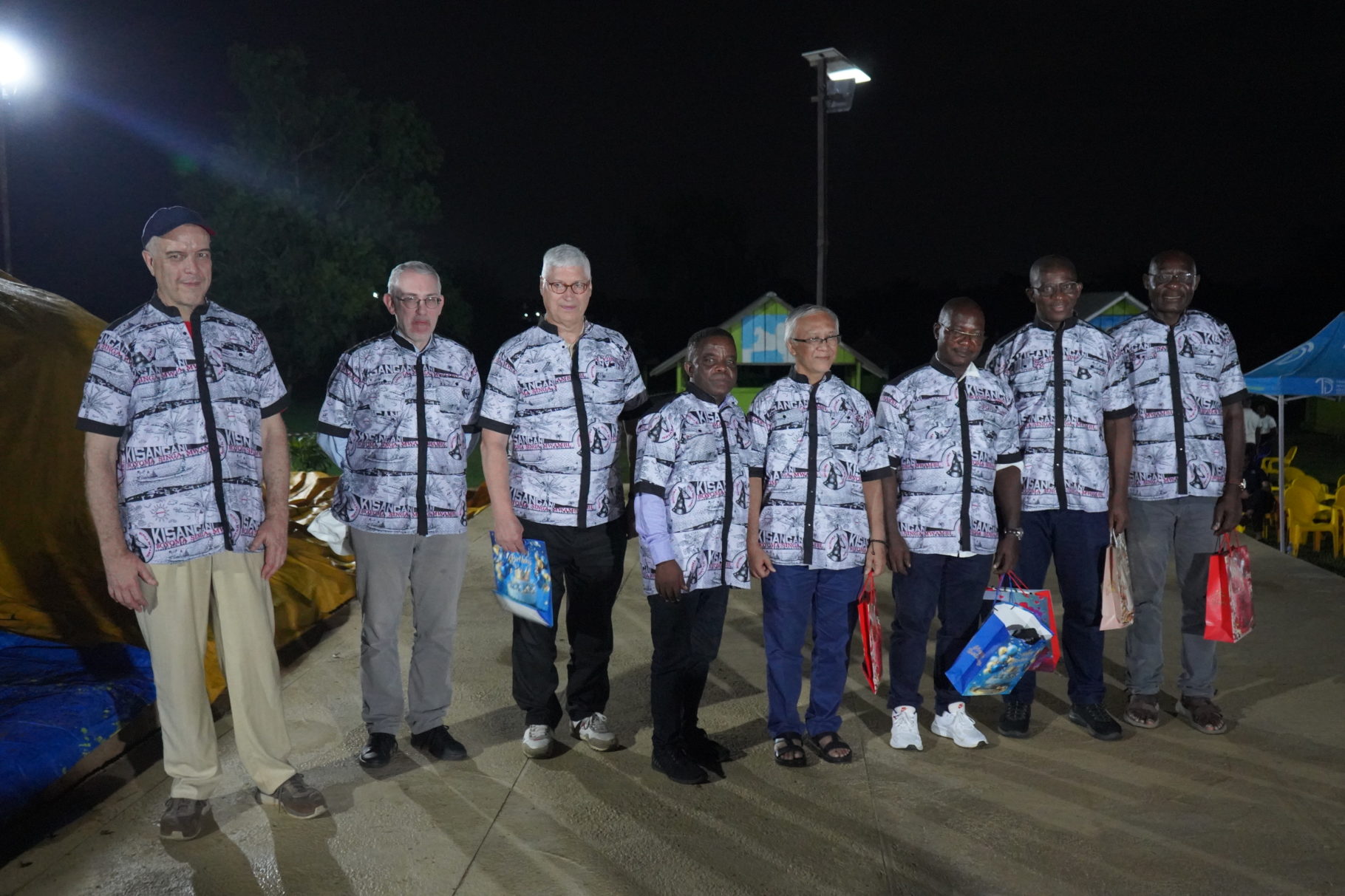
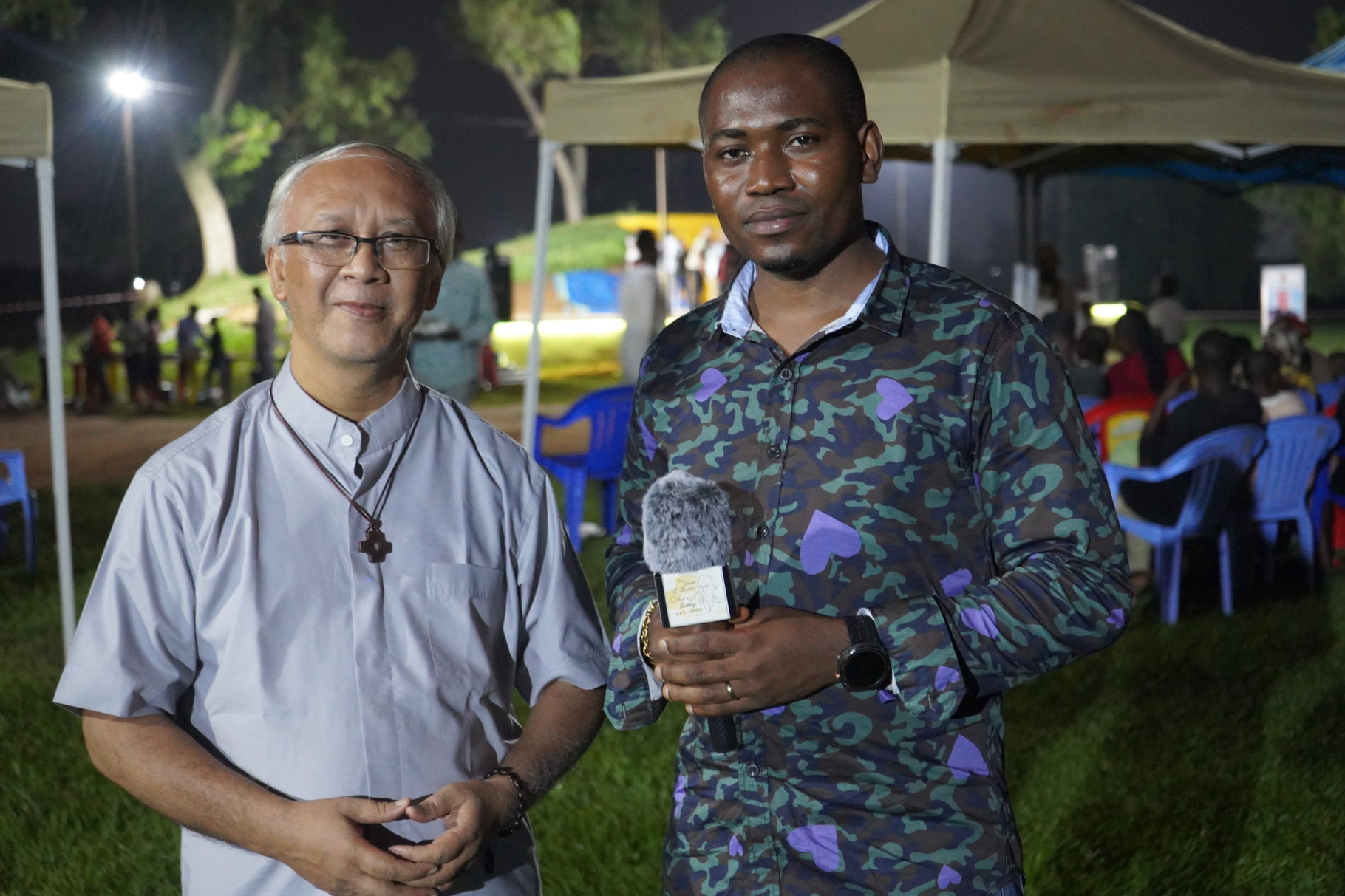
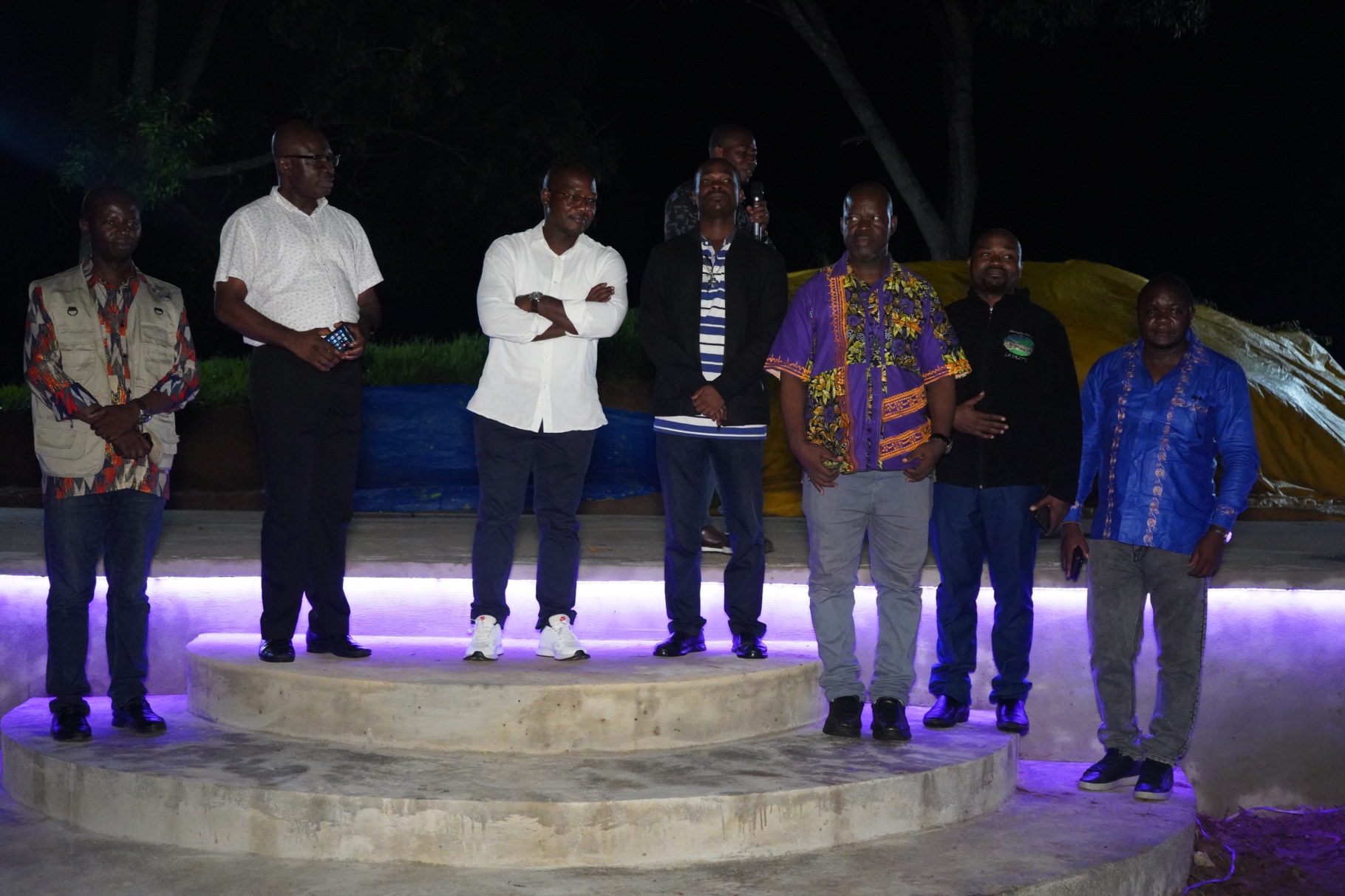
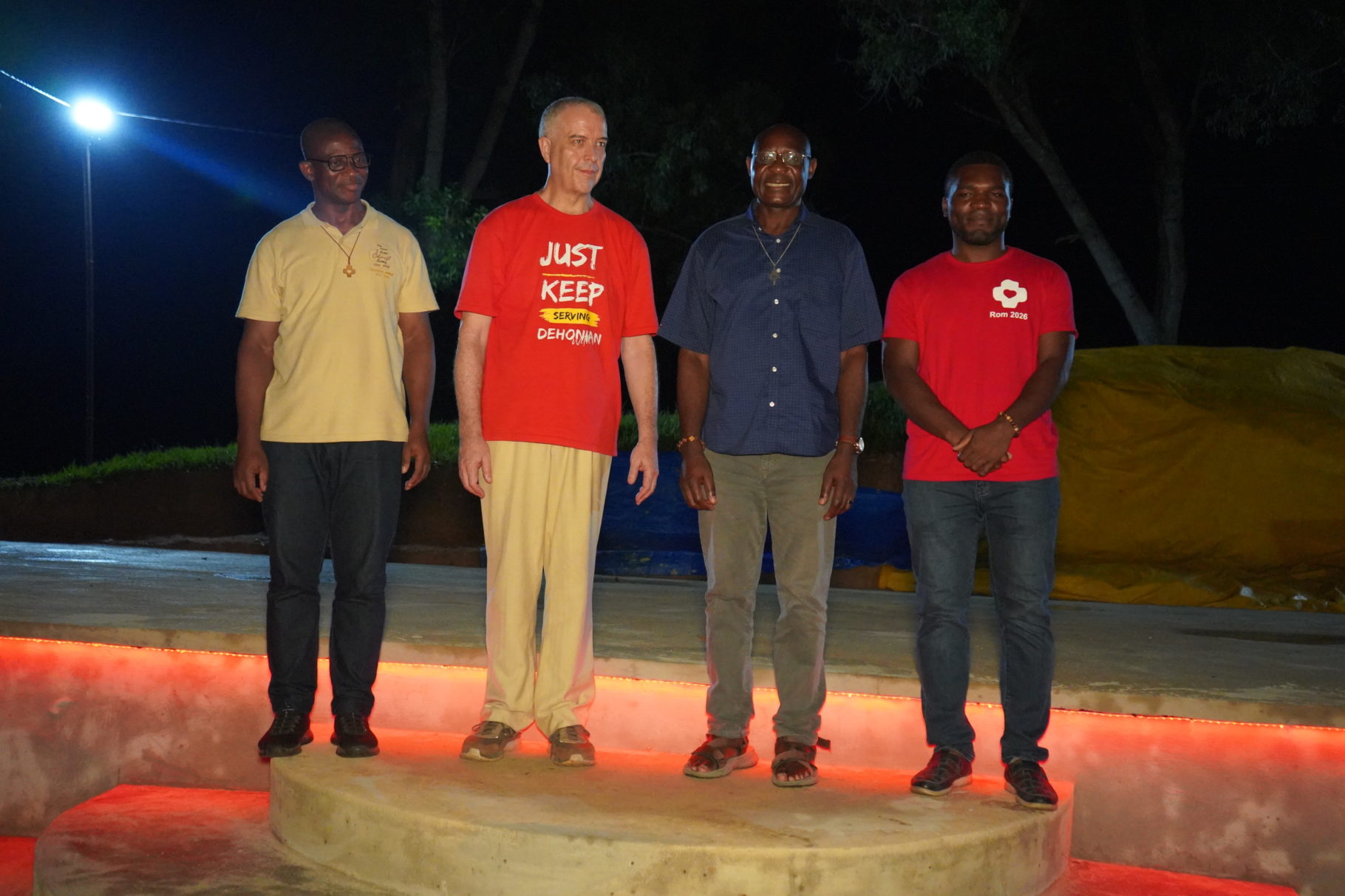
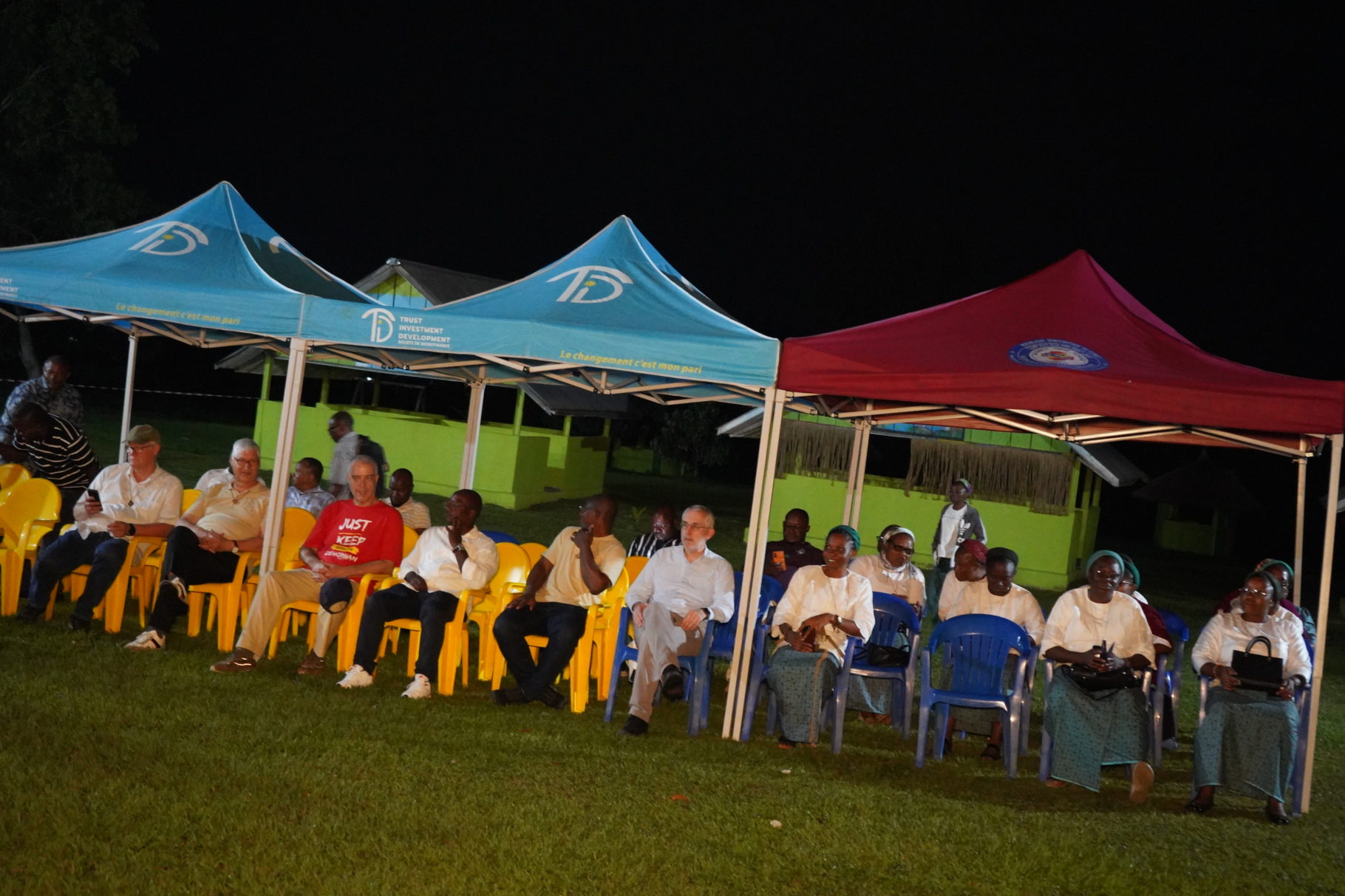
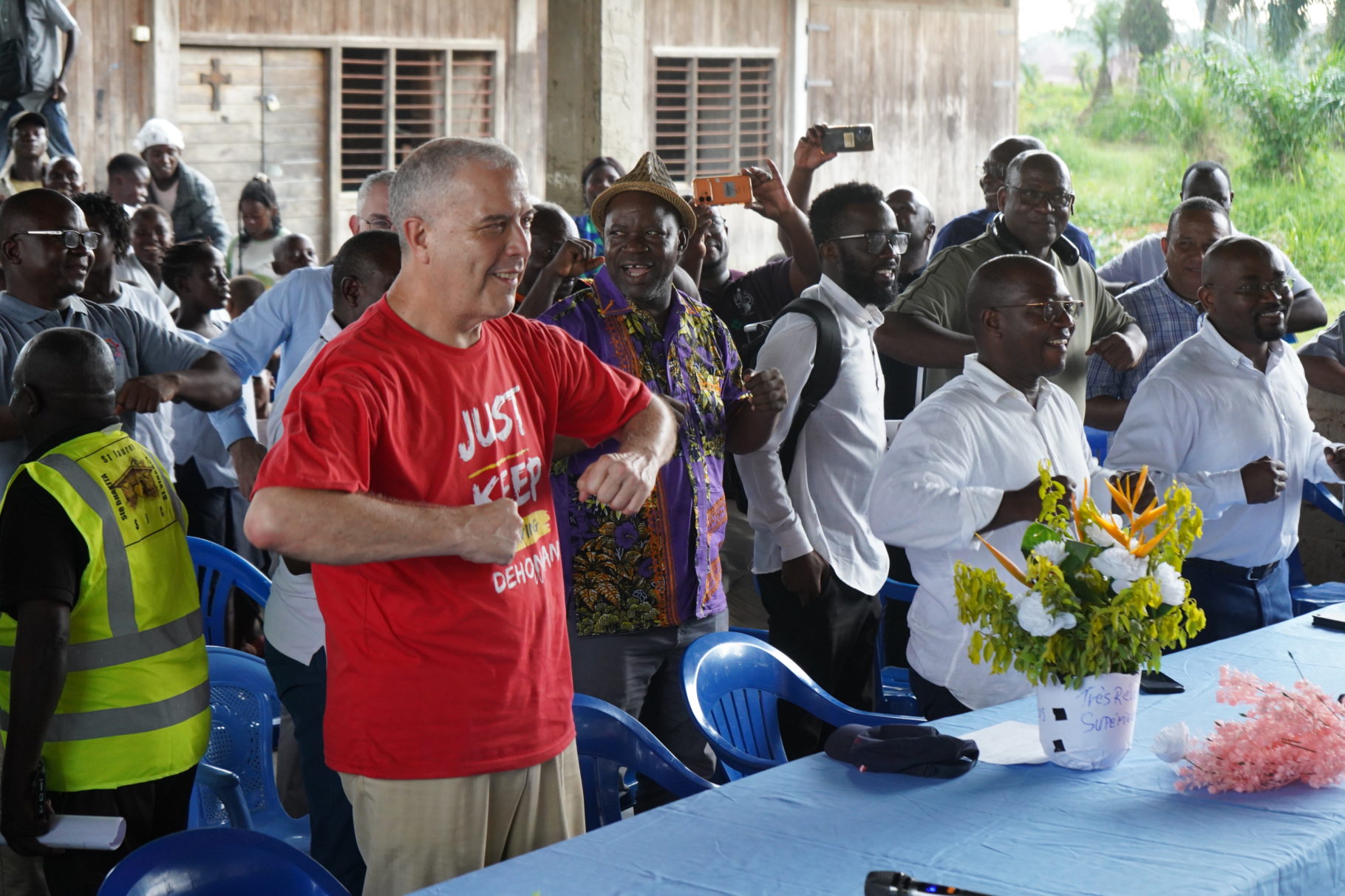
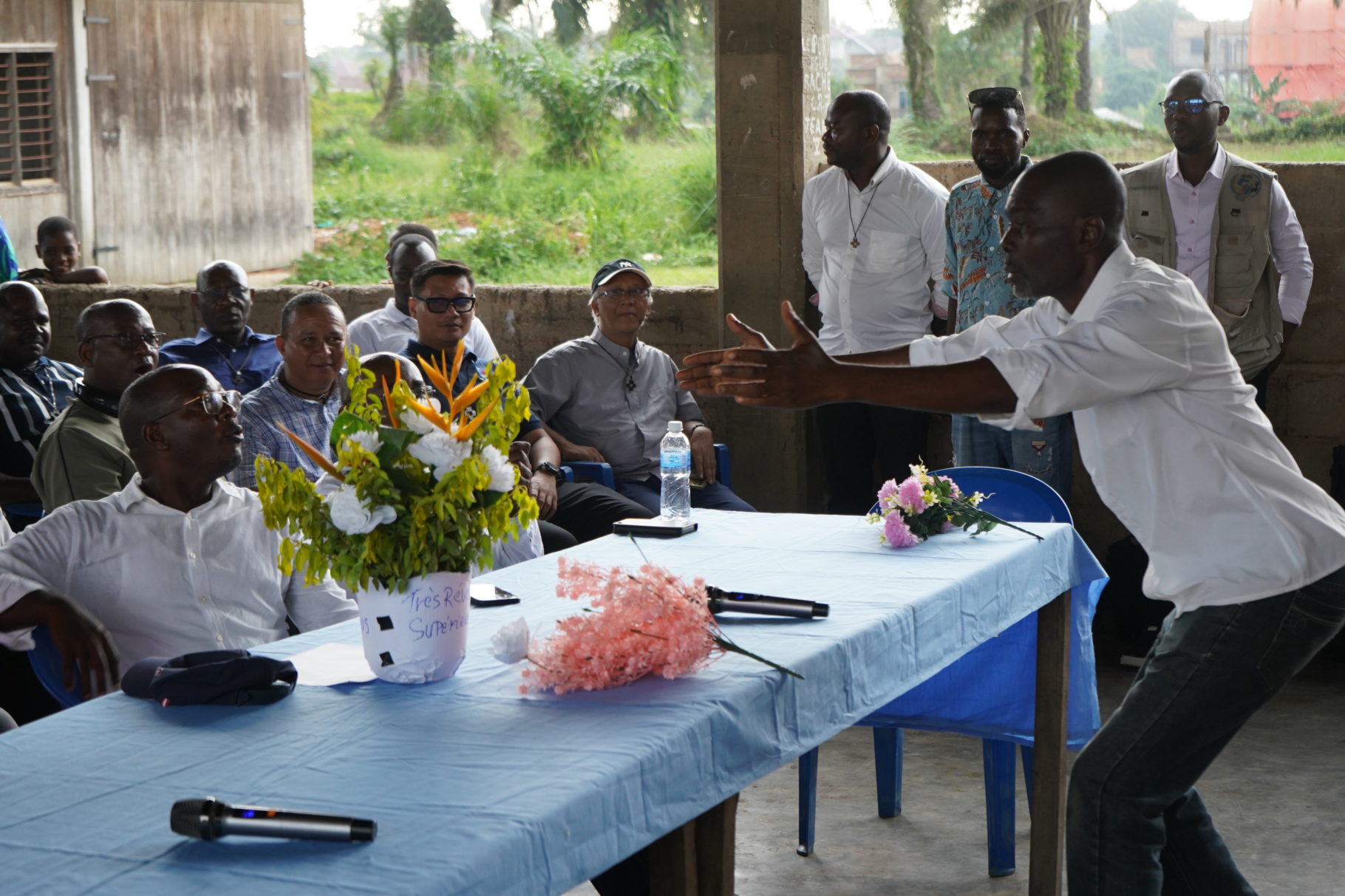
The second day of the Jubilee concluded with a recreational evening organized at Green Espace, at the Father Dehon Scholasticate, during which the various delegations of the congregation were introduced.