Social Pastoral Care in Andhra Pradesh: An Interview with Father Jojapa Chinthapalli, SCJ
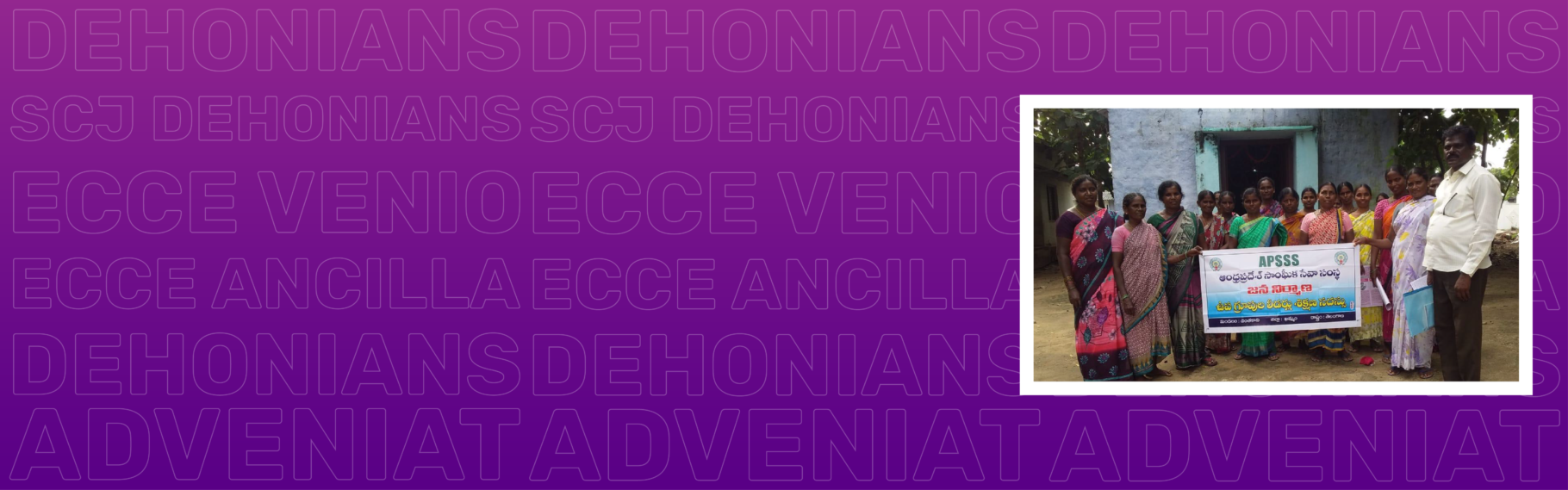


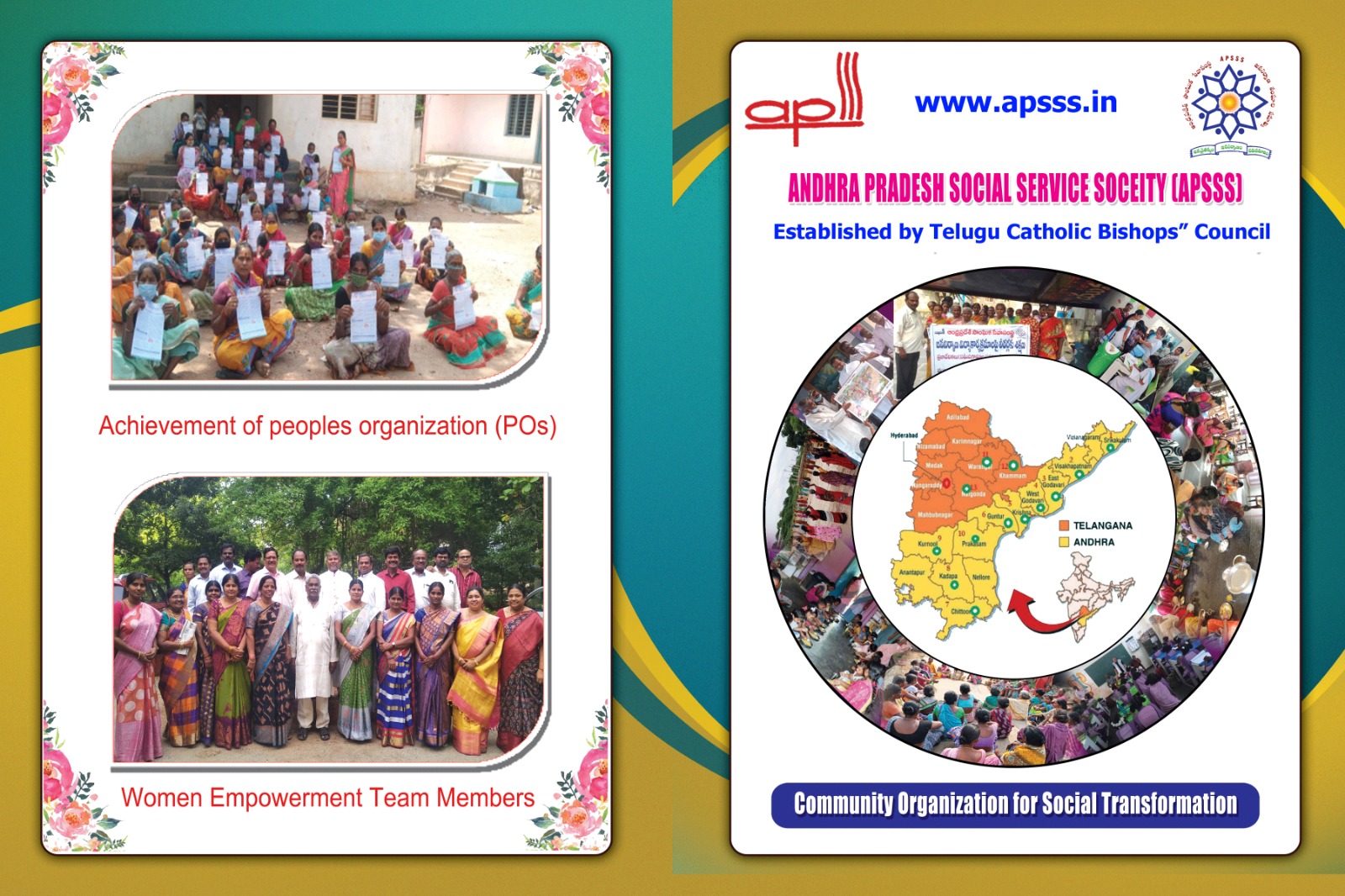
Father Jojappa Chinthapalli, SCJ, you were recently appointed Executive Secretary of the Andhra Pradesh Social Service Society (APSSS), which covers 13 of the 174 dioceses in India. Can you tell us about this Catholic social service?
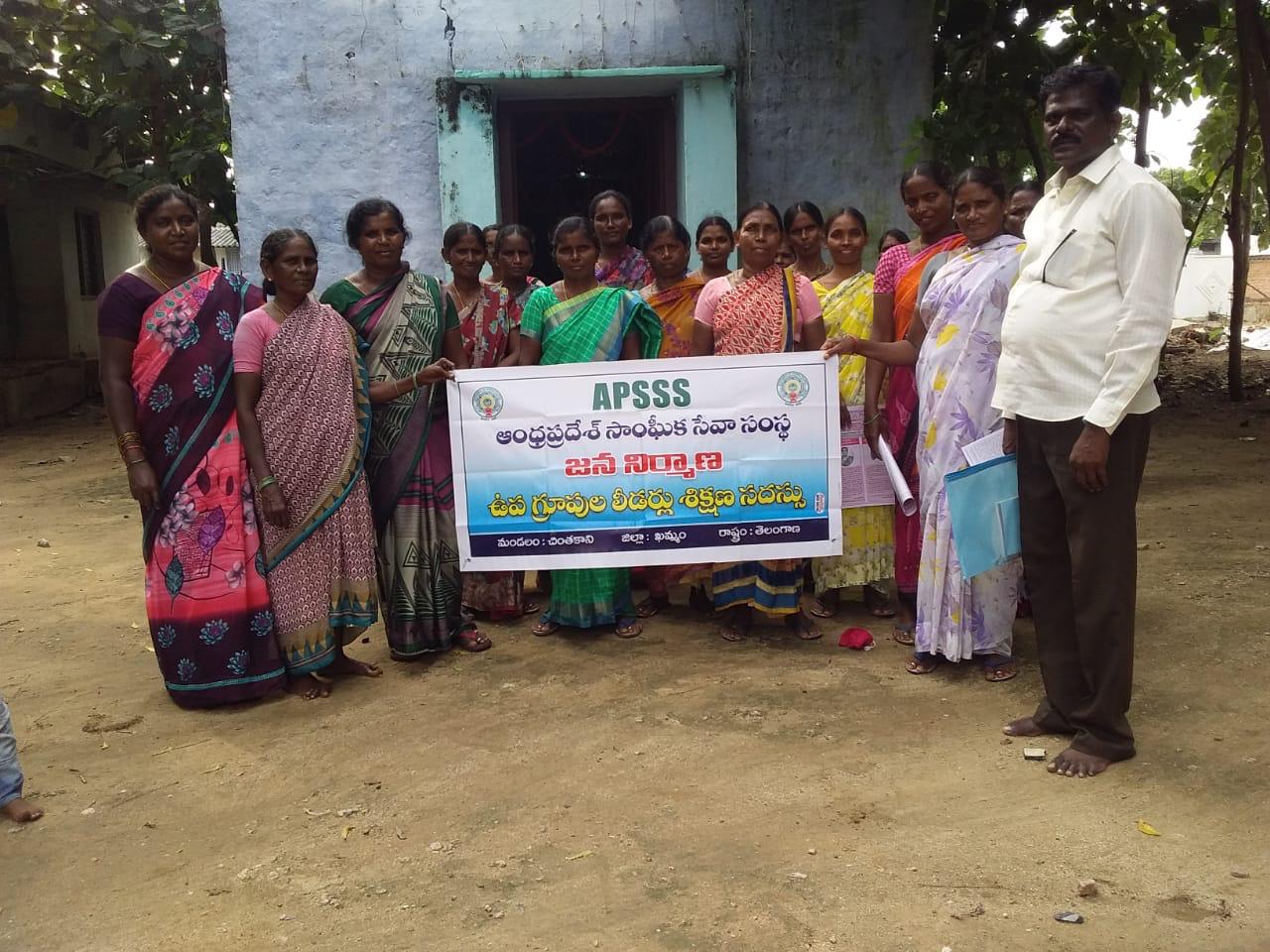
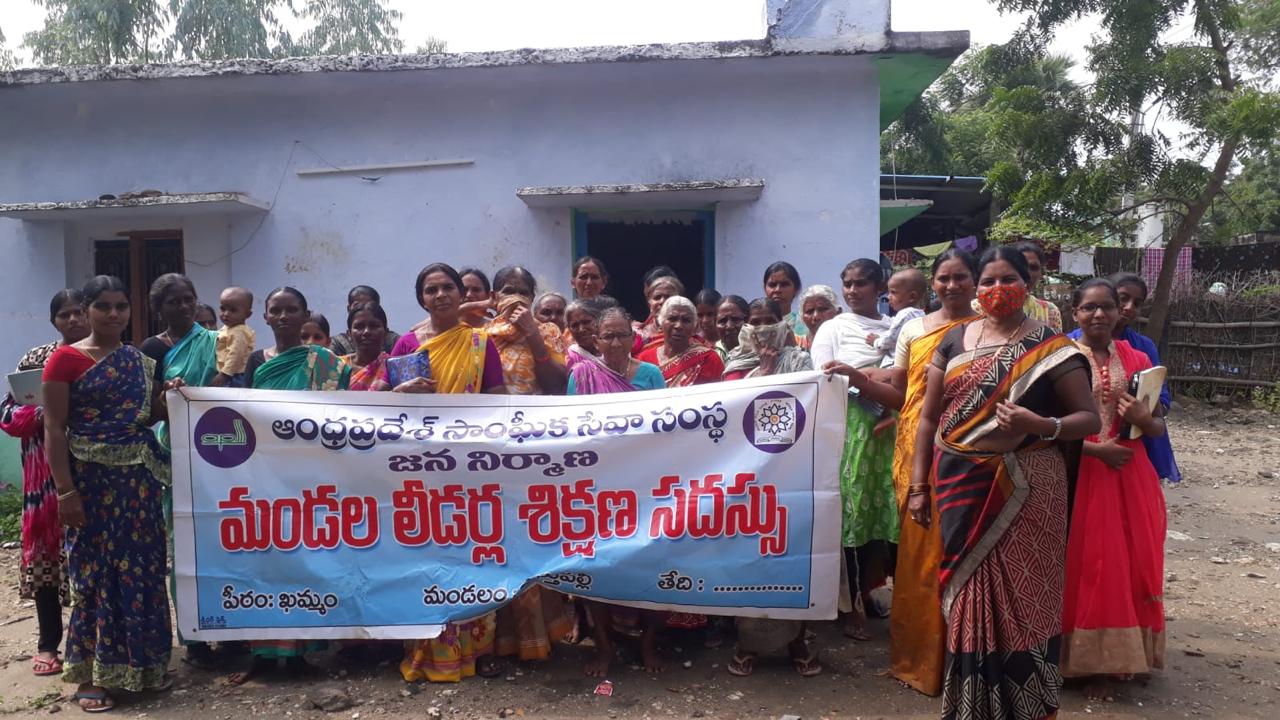
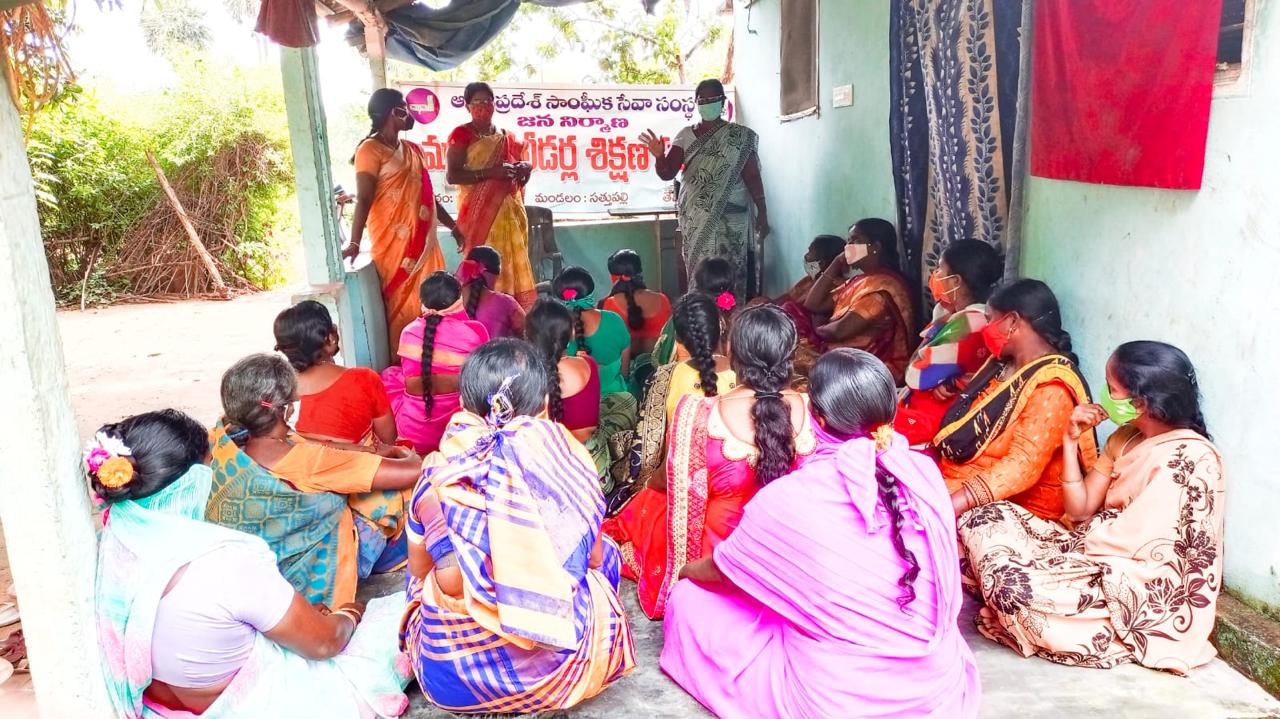
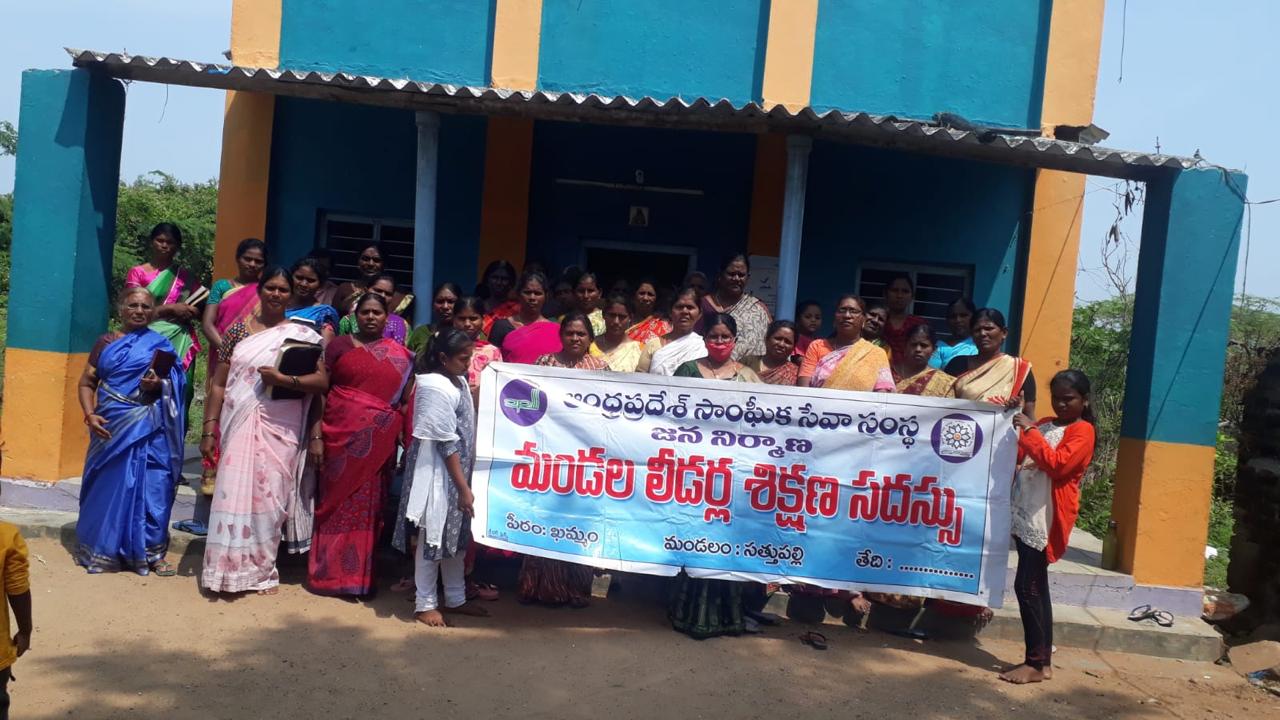
Father Jojappa Chinthapalli, SCJ: Located in Xavier Nagar, Eluru, Andhra Pradesh, the APSSS (established in 1979) serves as a central hub for social action, development programs, and charitable activities under the Roman Catholic Diocese of Eluru. It serves as a central hub for social action, development programs, and charitable activities under the Roman Catholic Diocese of Eluru. Over three decades, its focused efforts on empowering women as agents of social transformation have led to significant strides in advocating for their rights and entitlements. APSSS introduced savings schemes for women as early as 1978, enabling them to access government resources through DWCRA (Development of Women and Children in Rural Areas) and partnerships with local banks. Despite the challenges posed by the COVID-19 pandemic, which strained organizational capacities and program sustainability, APSSS conducted a comprehensive evaluation in late 2022. This exercise laid the groundwork for a renewed strategic framework that aligns with evolving socio-economic, political, cultural, and technological realities.
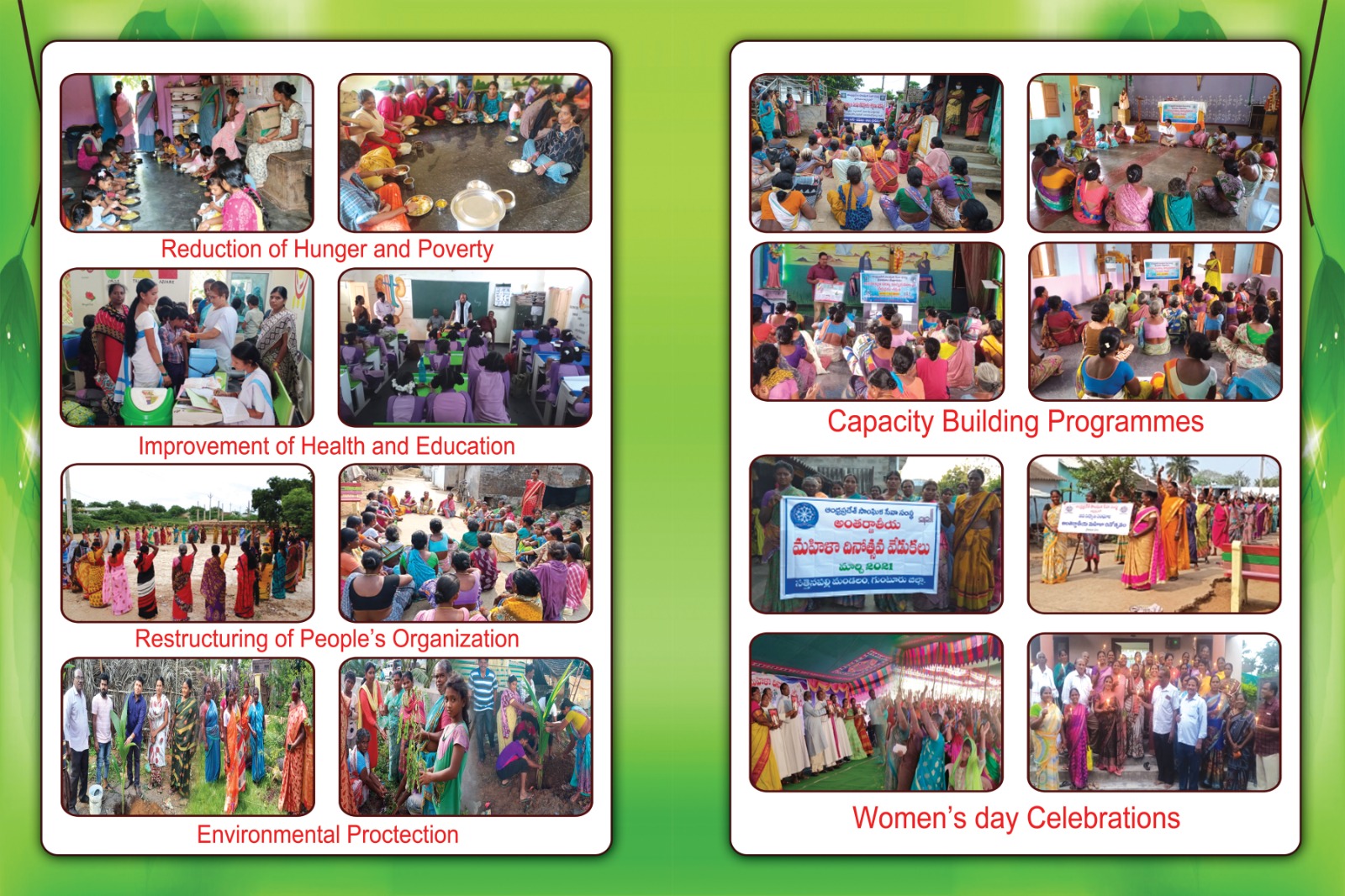
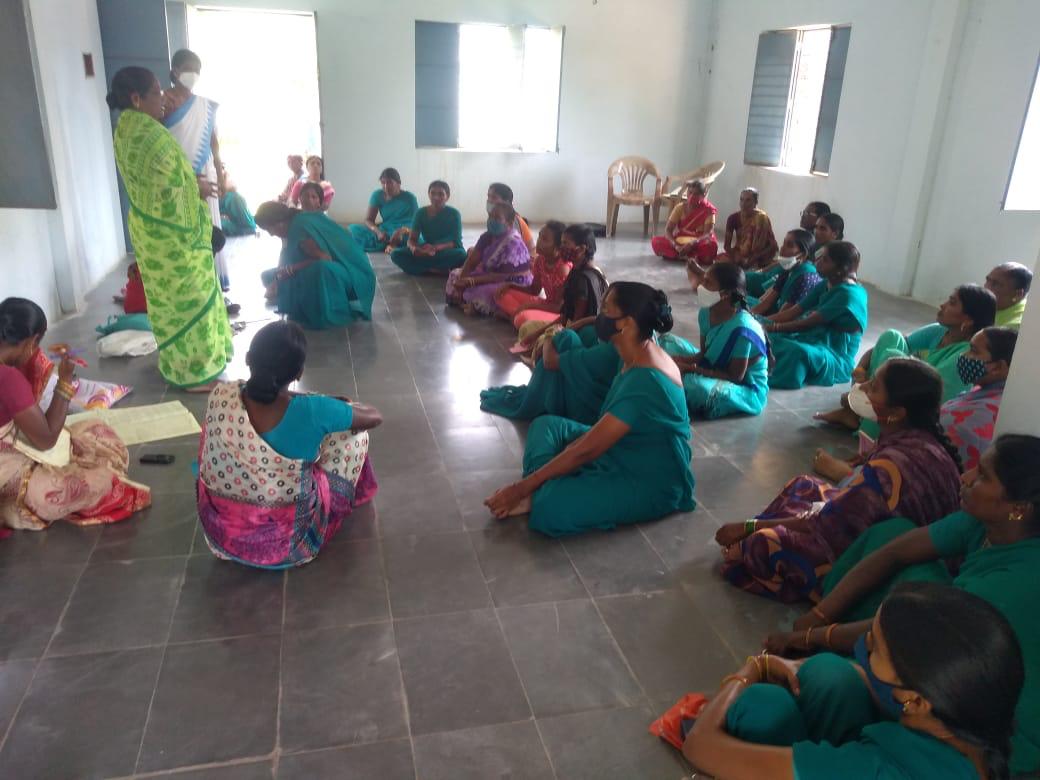
Our work will be concentrated on the core activities of the APSSS, namely: the formation and capacity building of Community-Based Organizations (CBOs); education and skill development through literacy programs for adult women in remote areas; training for stakeholders and staff to increase their effectiveness; financial empowerment; income generation and the promotion of livelihoods by encouraging the creation of income-generating activities such as livestock farming; and the promotion of environmental and community health initiatives through awareness campaigns. Here, this involves, for example, the production of educational materials (manuals, folk songs, motivational stories, newsletters, and audiovisual supports) and the organization of local formative gatherings.
From what you say, we realize the particular attention the APSSS pays to disadvantaged groups. Can you tell us more about this reality of social inequality in the Andhra Pradesh region?
Underprivileged communities and social divisions in Andhra Pradesh are primarily categorized through the constitutional frameworks of Scheduled Castes (SC), Scheduled Tribes (ST), and Backward Classes (BC), who face persistent socio-economic marginalization, landlessness, and a lack of access to resources. The regions of Coastal Andhra and Rayalaseema (as well as Telangana, which was formerly part of AP) present areas of significant socio-economic disparities, with interior regions and mountainous areas often experiencing higher poverty rates.
And in which category is the largest number of Catholics found?
The majority of Christians and Catholics in Andhra Pradesh and Telangana belong to these underprivileged communities. It is thanks to the missionary Church that these people were able to acquire an identity, dignity, and an education. Besides these groups, there are other categories of people considered vulnerable in society that the APSSS reaches out to according to their needs, including:
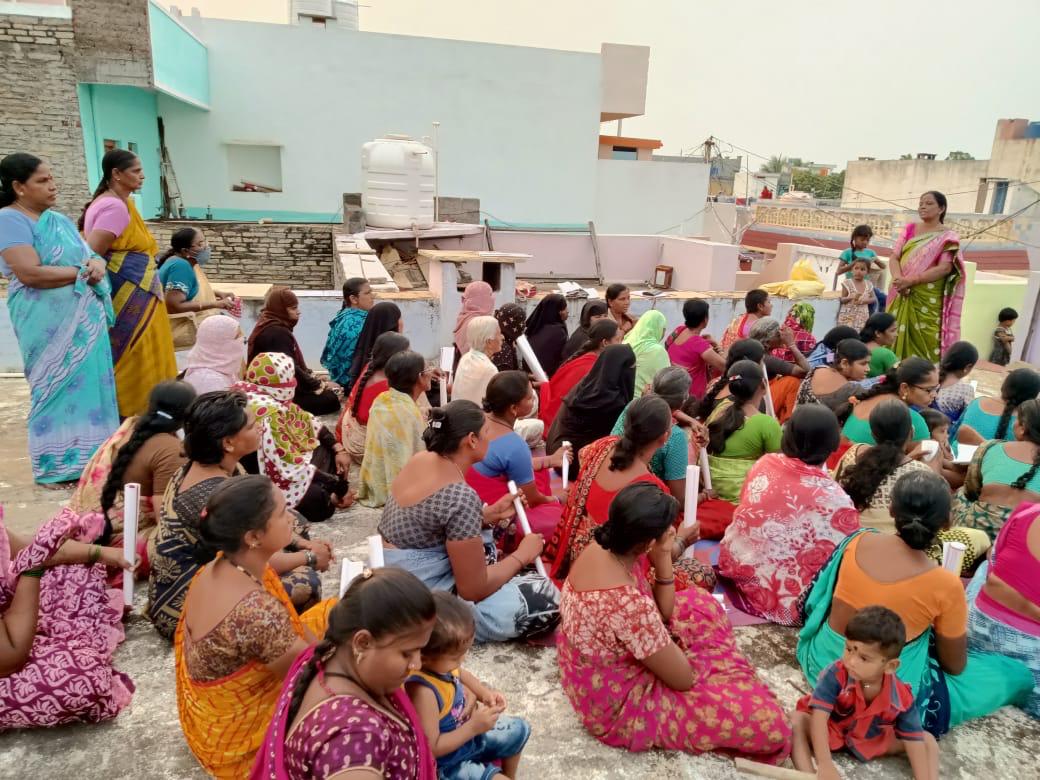
- Women: Particularly those from SC/ST/BC communities, facing gender discrimination, high rates of child marriage, and limited employment opportunities.
- Religious Minorities: Marginalized groups include Muslims, Christians, Sikhs, and Parsis, particularly in rural areas.
- Small and Marginal Farmers: High vulnerability due to a lack of irrigation and inequality in land ownership, especially in Rayalaseema and interior regions.
- Persons with Disabilities (PWD): They face significant barriers in accessing education and employment.
What are the main challenges currently faced by these disadvantaged groups?
– Social Discrimination: The impoverished are looked down upon by employers, the wealthy, bureaucrats, and even the government. They are thought to be sluggish, inefficient, and a drain on society. At every level, they are harassed, humiliated, and discriminated against. They are always the focus of assault and hatred by the powerful because they are unrepresented and helpless.
– Poverty: Poverty, in Andhra Pradesh, is a complex issue that impacts various dimensions of society. It is not only about low income levels but also about a lack of access to basic needs such as education, healthcare, clean water, sanitation, and other basic essential services.
– Child Labour: Despite the fact that child labour rates have decreased in recent years, children are still subjected to some of the most severe kinds of child labour, including bonded labour, child soldiers, and human trafficking.
– Unemployment: Unemployment is one of India’s most serious socio-economic problems. According to the Indian government, there were 31 million unemployed individuals in India. India produces millions of Doctors, Engineers, Software Techies and Nurses every year…but there are numerous youth in India who, despite the merits in studies, fail to obtain a job or an employment.
– Illiteracy: Andhra Pradesh has consistently recorded one of the lowest literacy rates in India, with recent data (PLFS 2023-24) placing it at the bottom with a rate of 72.6%. This contrasts with the national average of 80.9%, highlighting significant gaps in rural, female, and rural-urban educational attainment.
As a Dehonian, how does your spirituality influence this social engagement with the most vulnerable?
I would like to recall the social engagement of Fr. Dehon at St. Quentin and Val-des-Bois, who, through his reformative thoughts and creative initiatives was able to contribute to his society especially, the working class of labourers. I live the same experience of Fr. Dehon in my given responsibility because these vulnerables are addressed as “labourers or labour class” in our context. I feel privileged as a Dehonian, moreover, to collage the spirituality of Fr. Dehon, Social Reign of the Sacred Heart in Hearts and Societies, in my ministry. In fact, Fr. Dehon stands, not only an inspiration but also a solution to so many challenges I encounter.