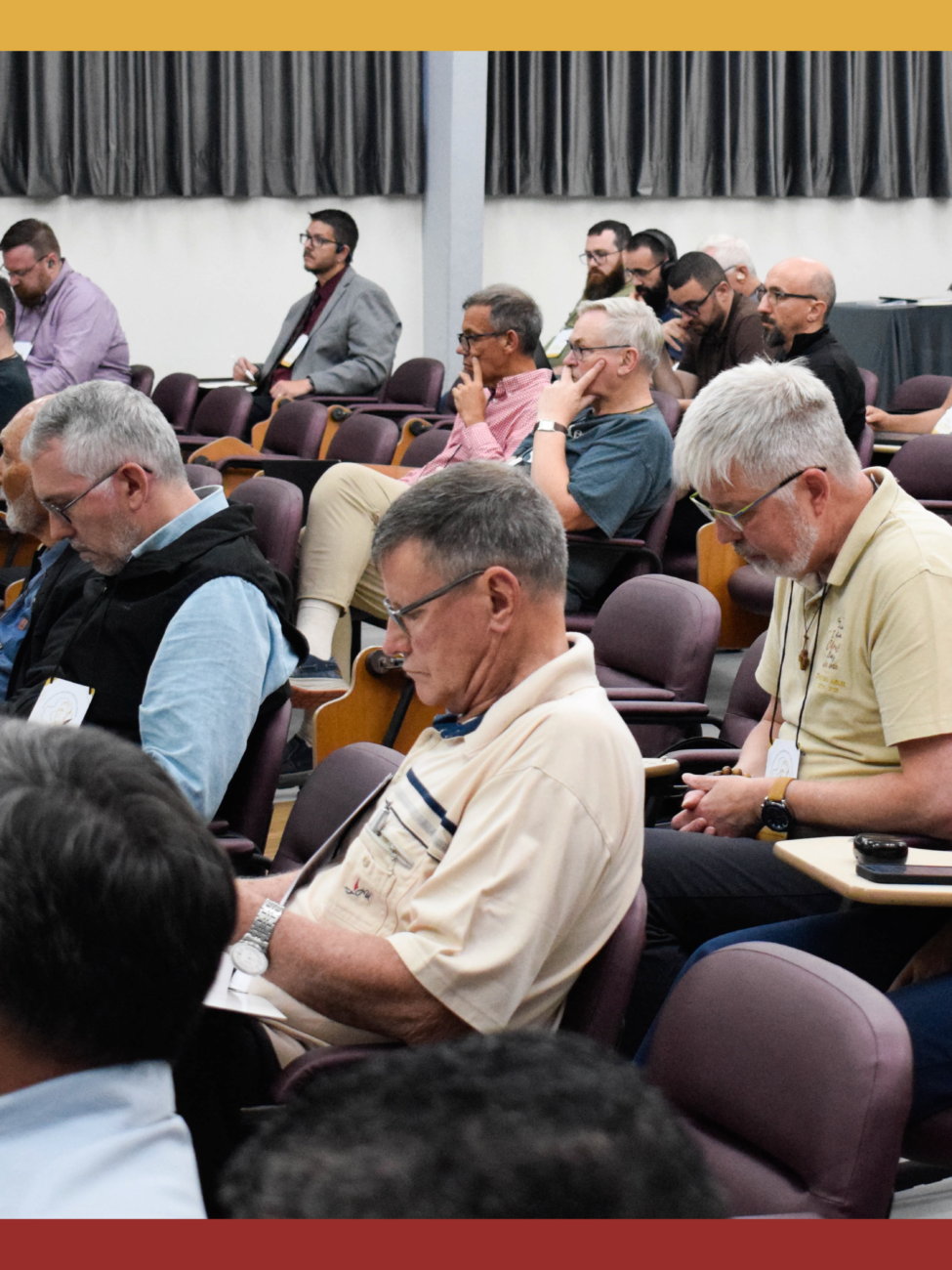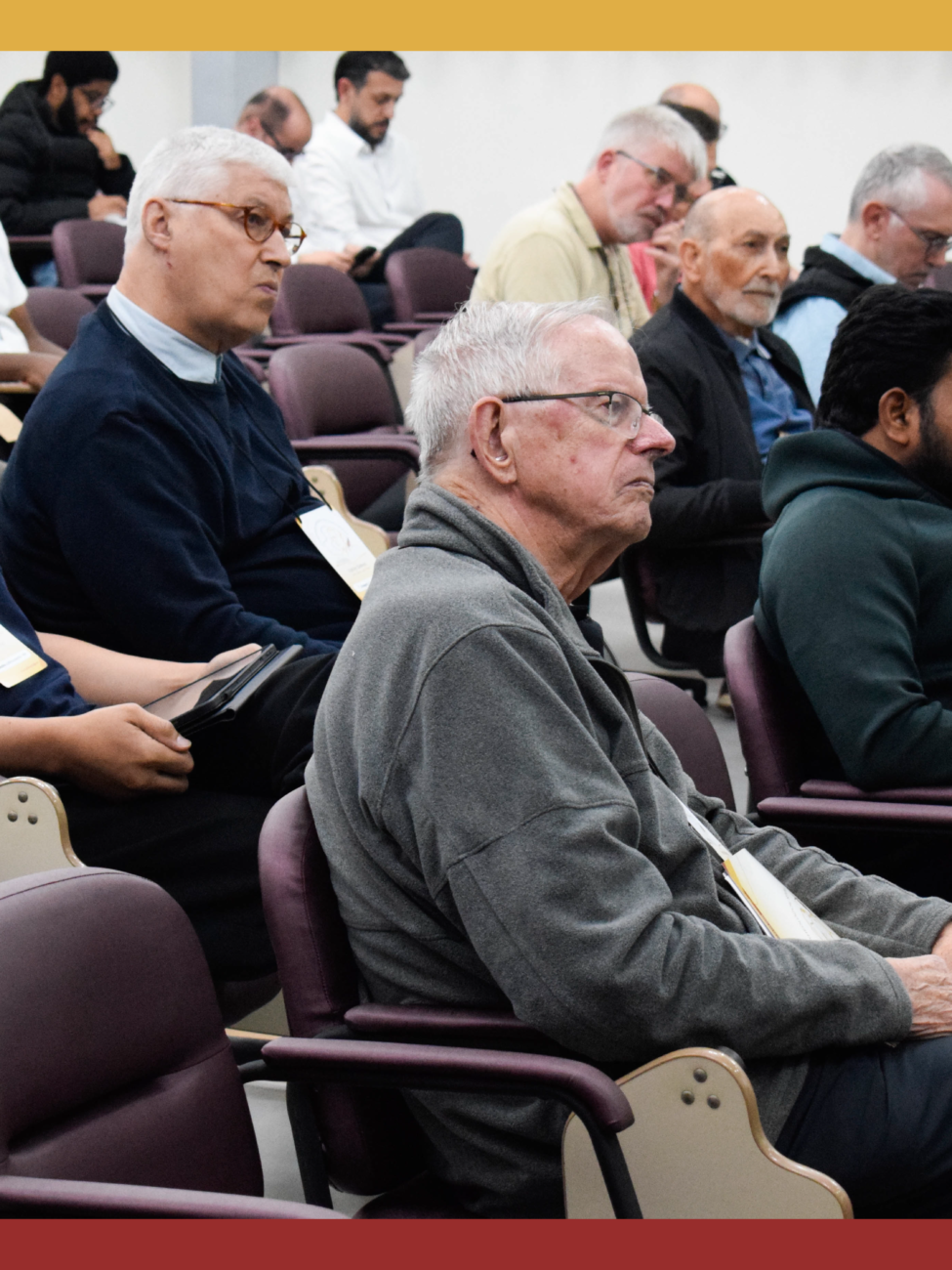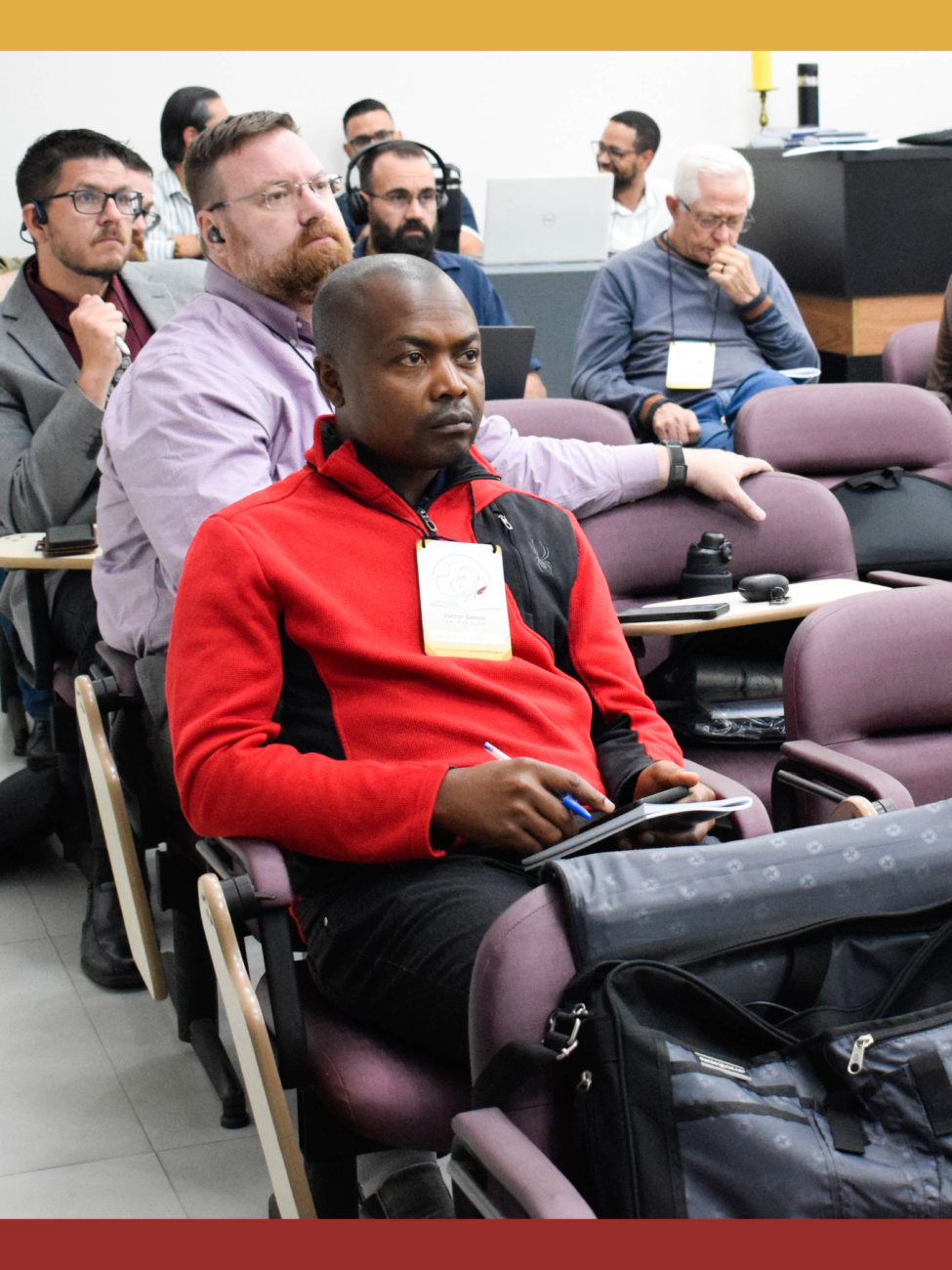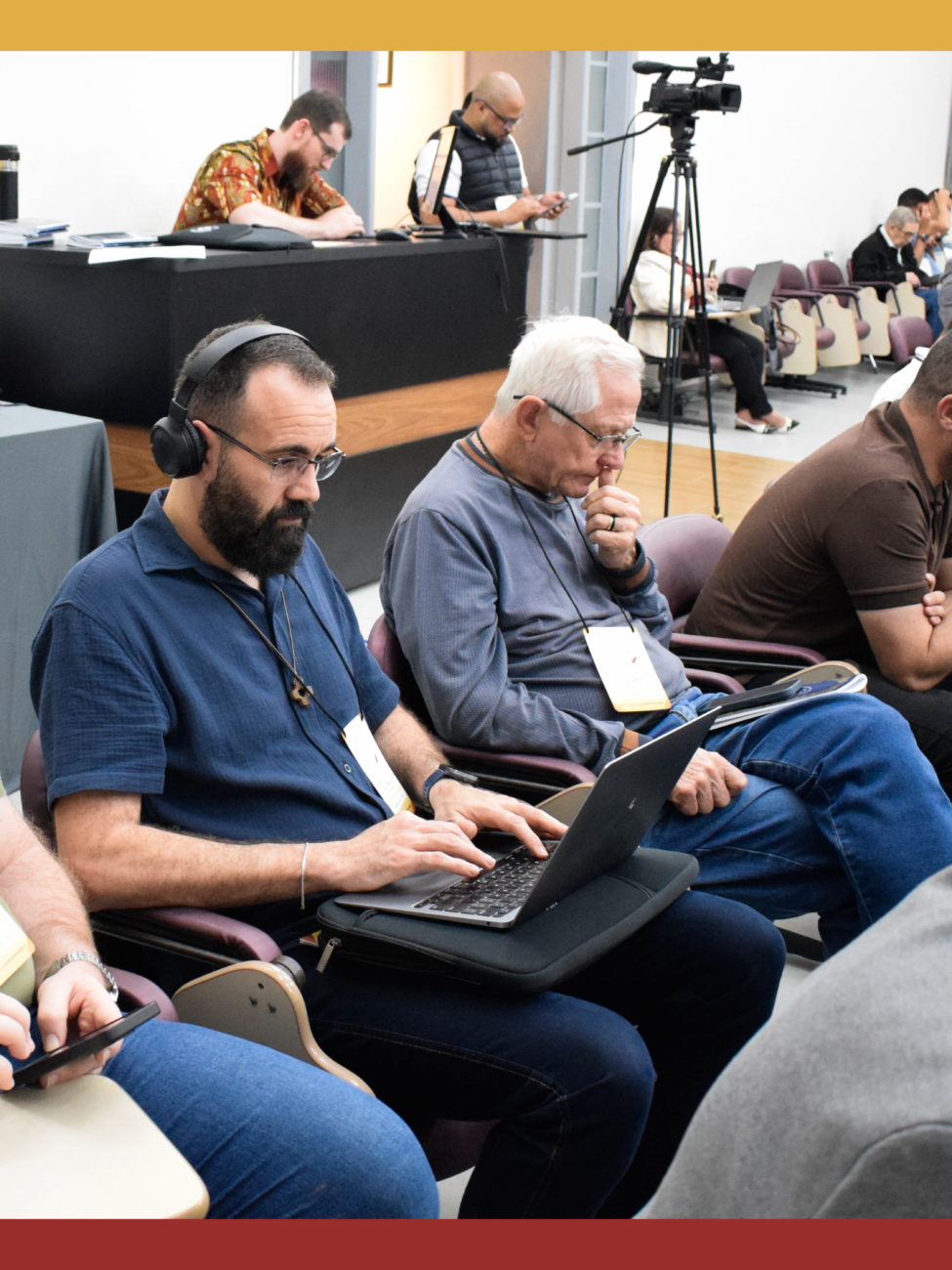
INTRODUCTORY SESSION OF THE VII INTERNATIONAL DEHONIAN THEOLOGICAL SEMINAR
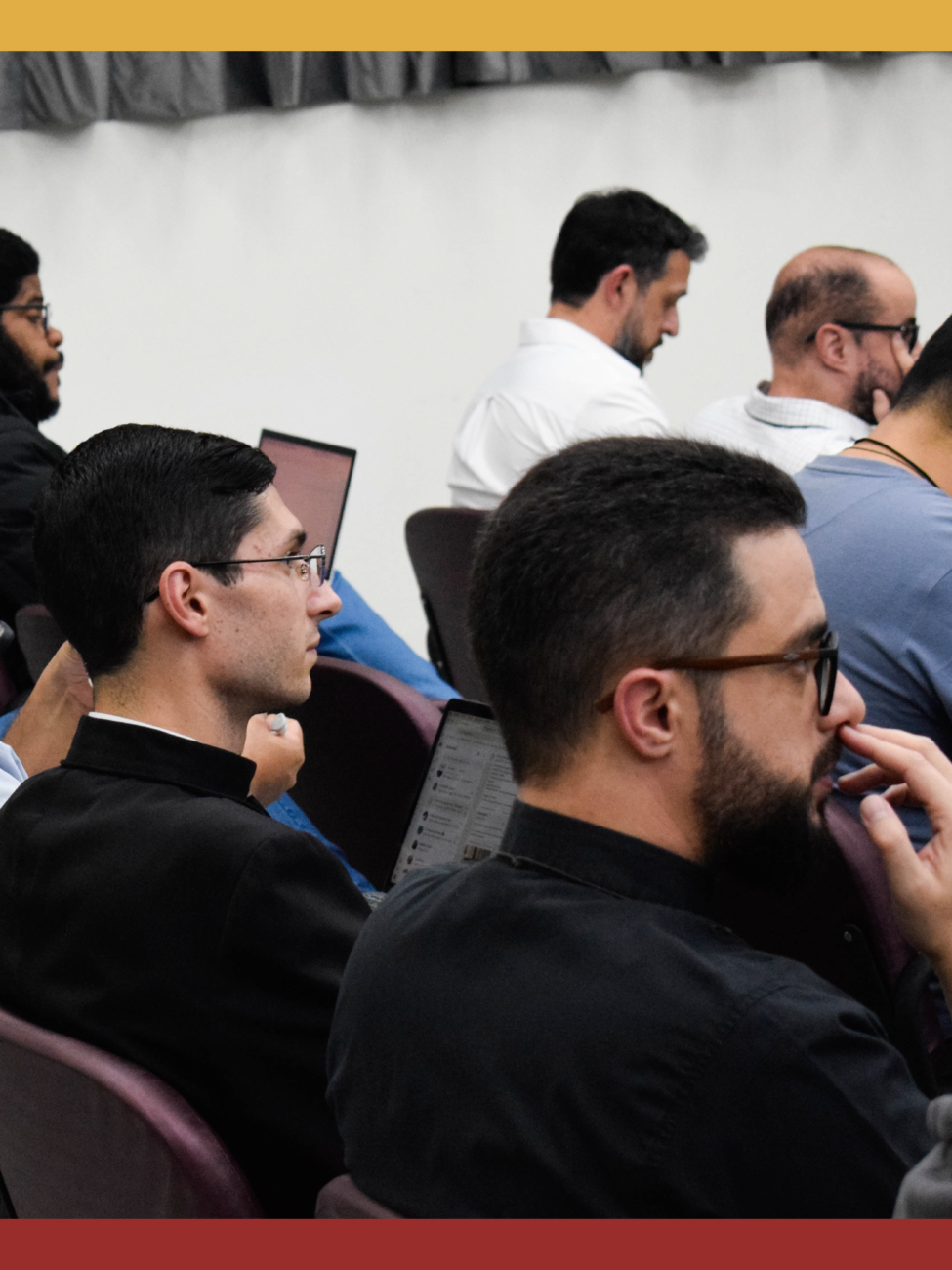
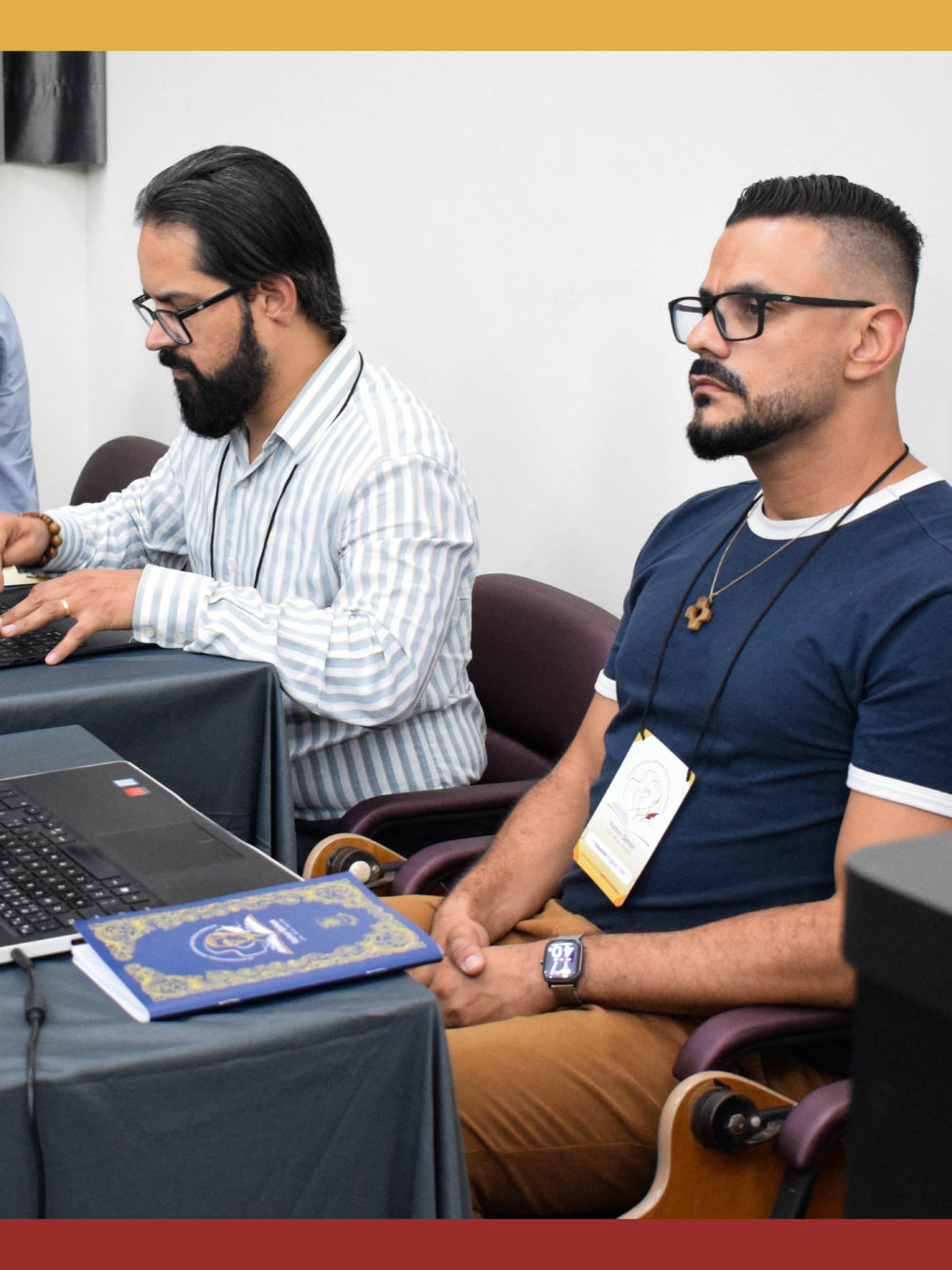
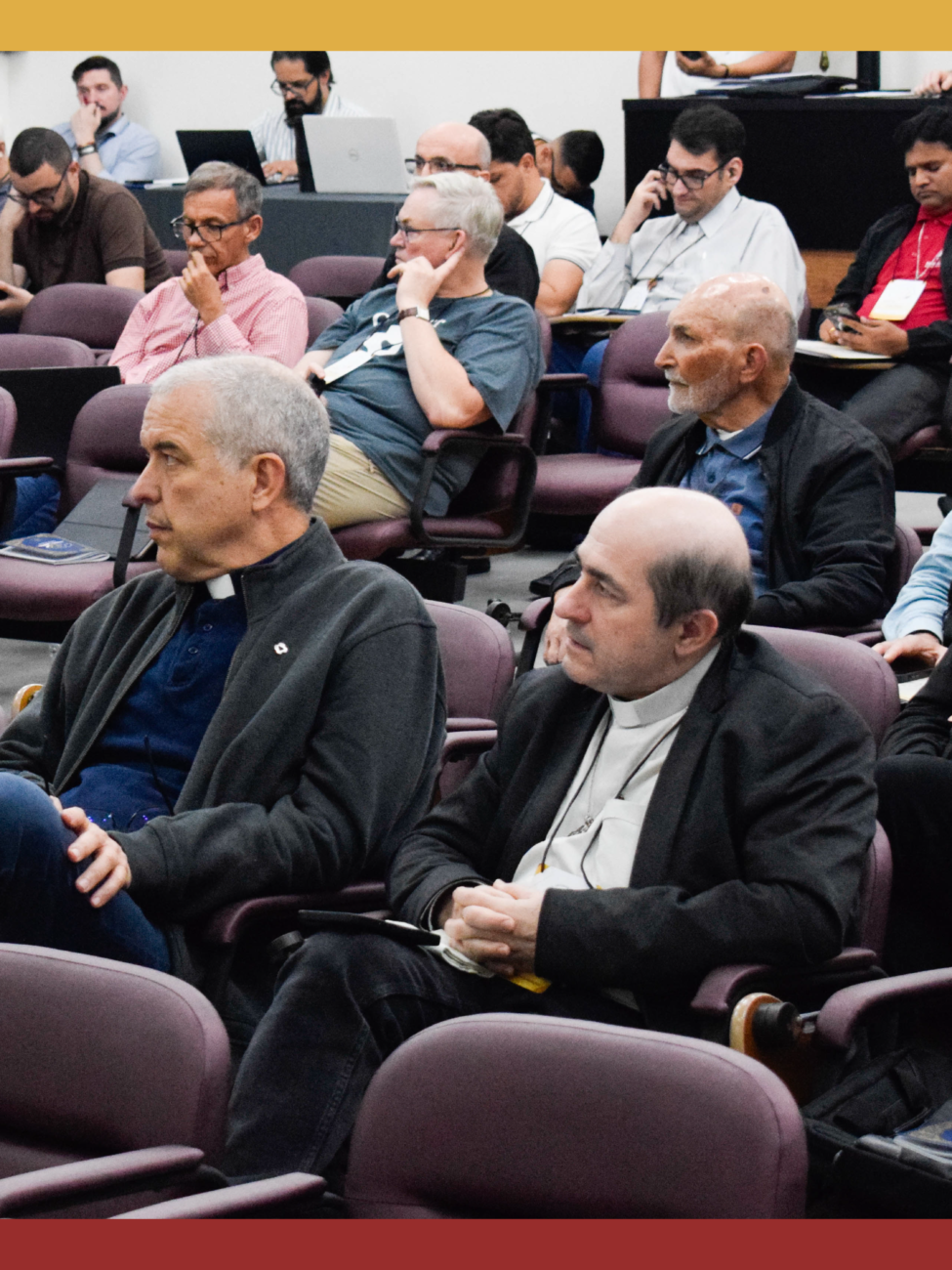
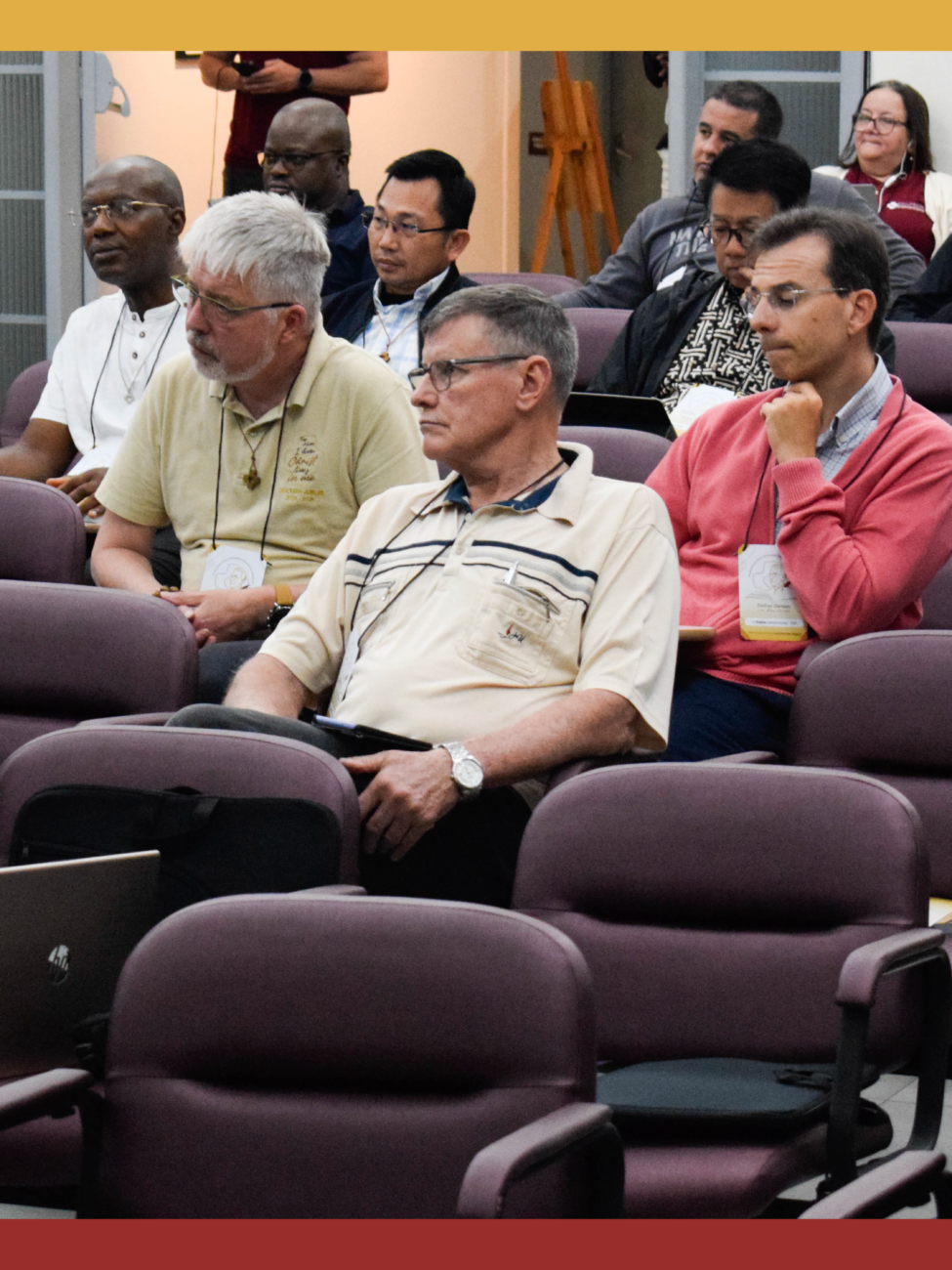
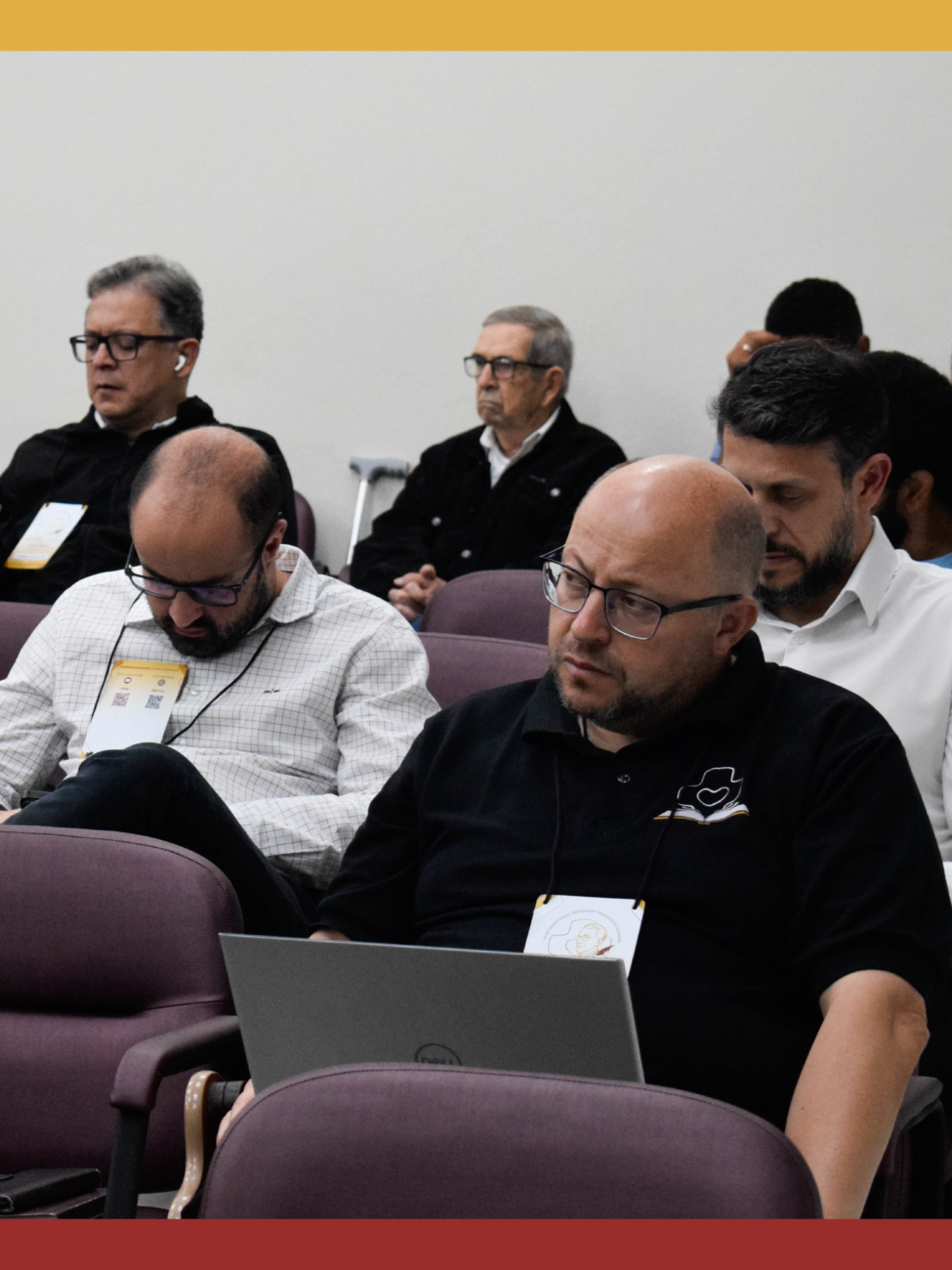
At 5:00 PM on the 30th day of July in the year two thousand and twenty-six, in the city of Taubaté, State of São Paulo, the Introductory Session of the VII International Dehonian Theological Seminar commenced.


1. Liturgical Opening and Technical Guidelines
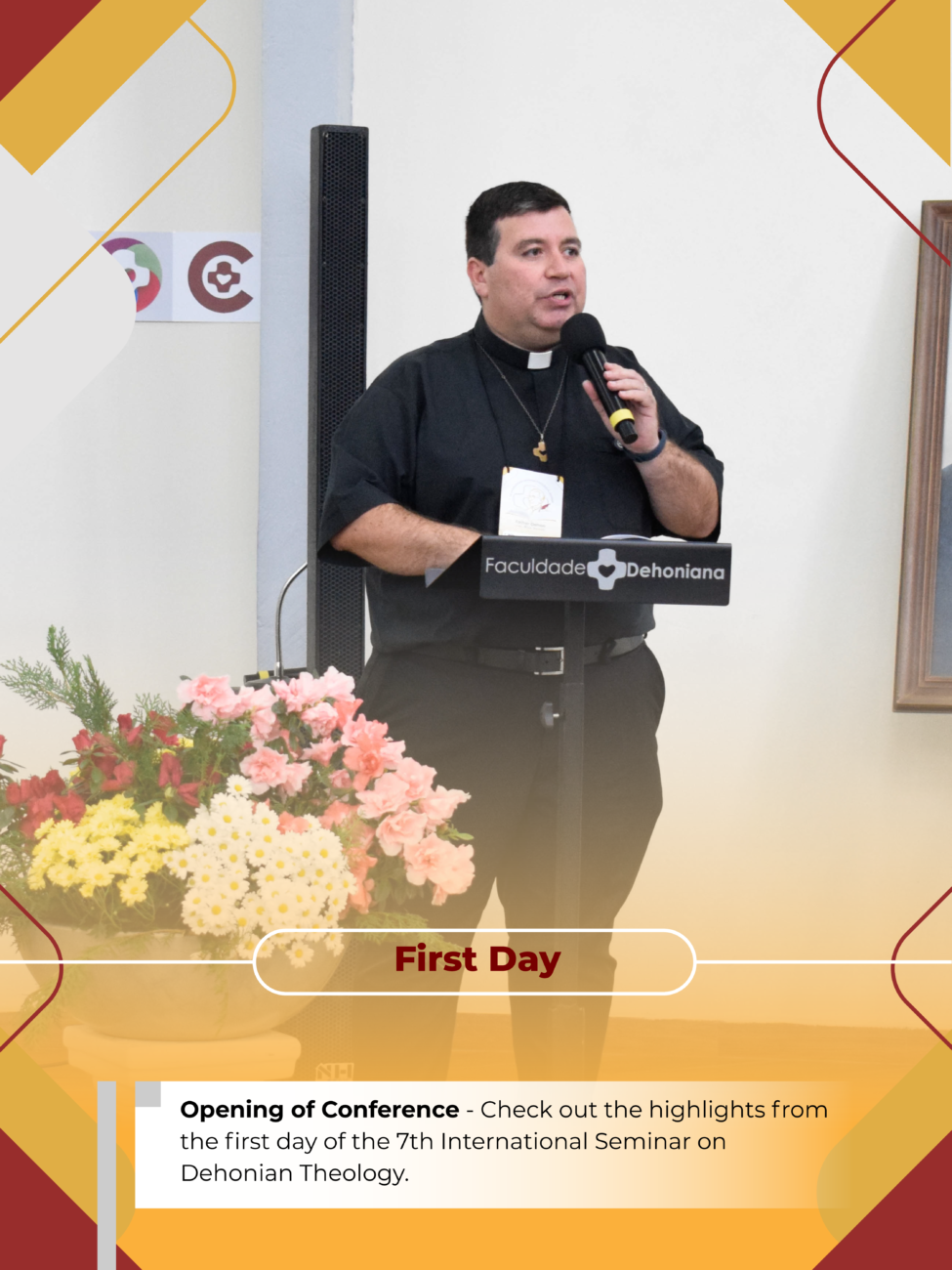
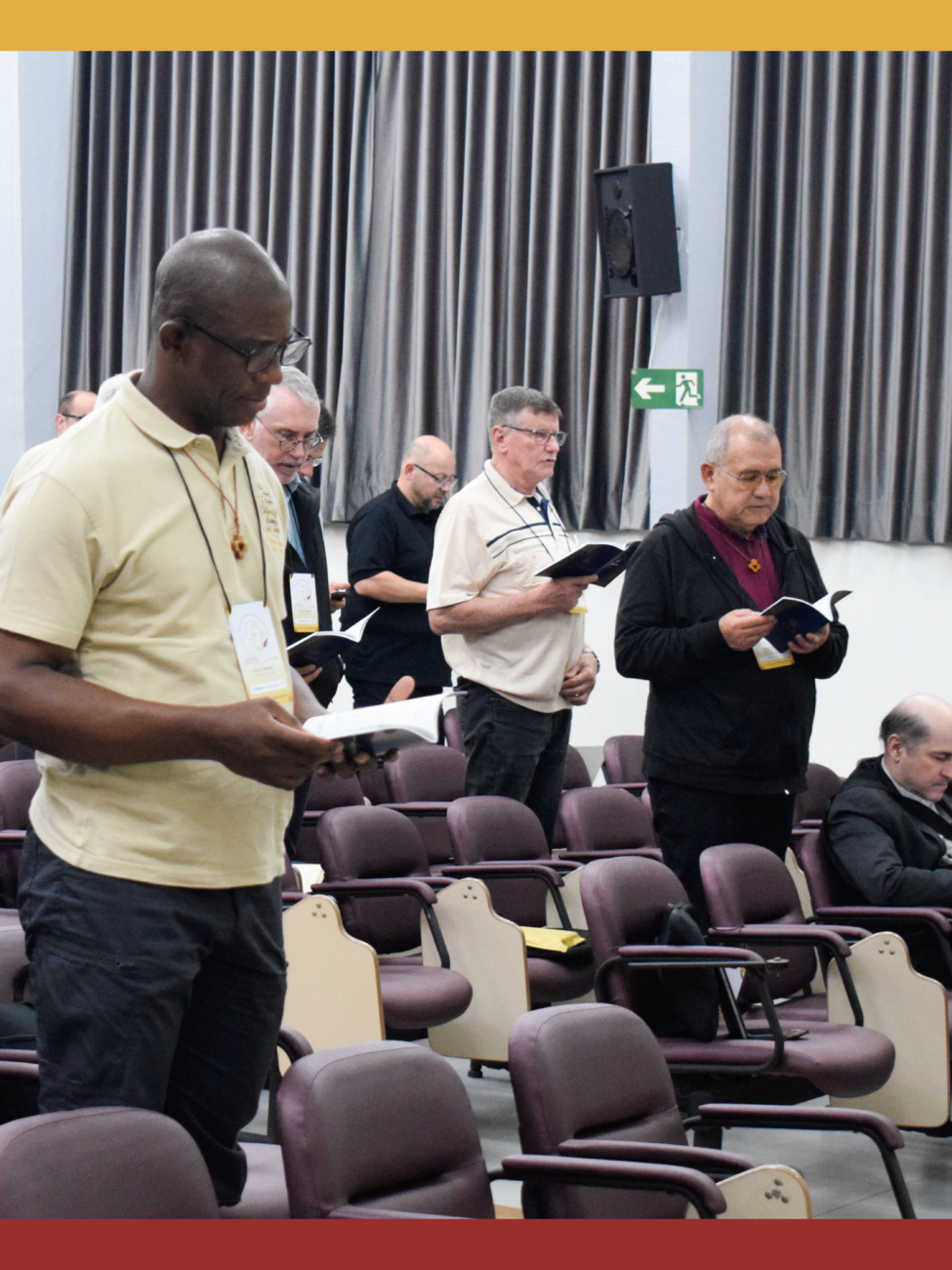
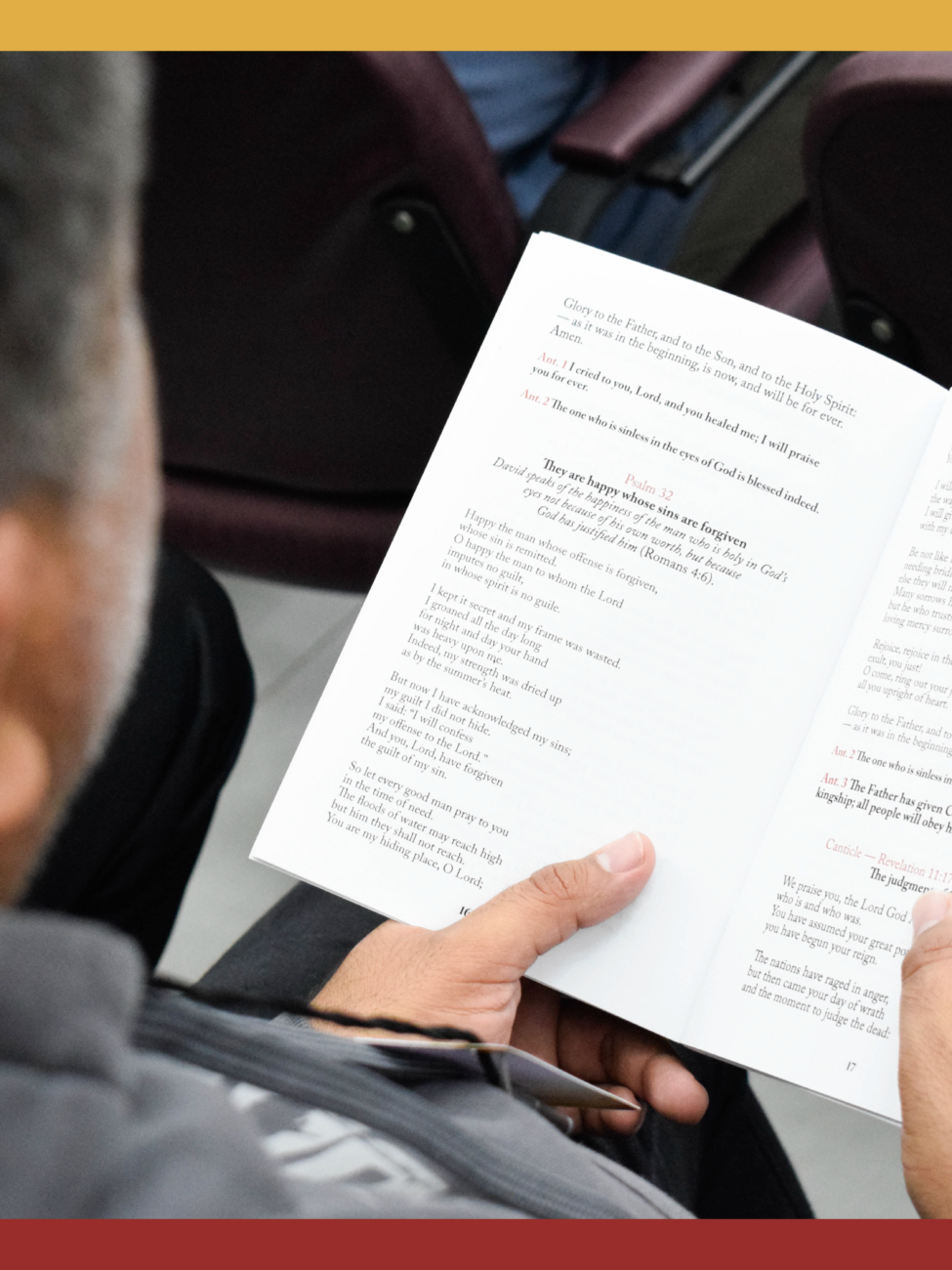
At 5:00 PM on the 30th day of July in the year two thousand and twenty-six, in the city of Taubaté, State of São Paulo, the Introductory Session of the VII International Dehonian Theological Seminar commenced. The proceedings were formally opened with the prayer of Vespers, recited in English and presided over by Fr. Wyllians Prado Rapozo, General Councilor, whose accompanying text had been made available in advance in the participants’ liturgical booklet.
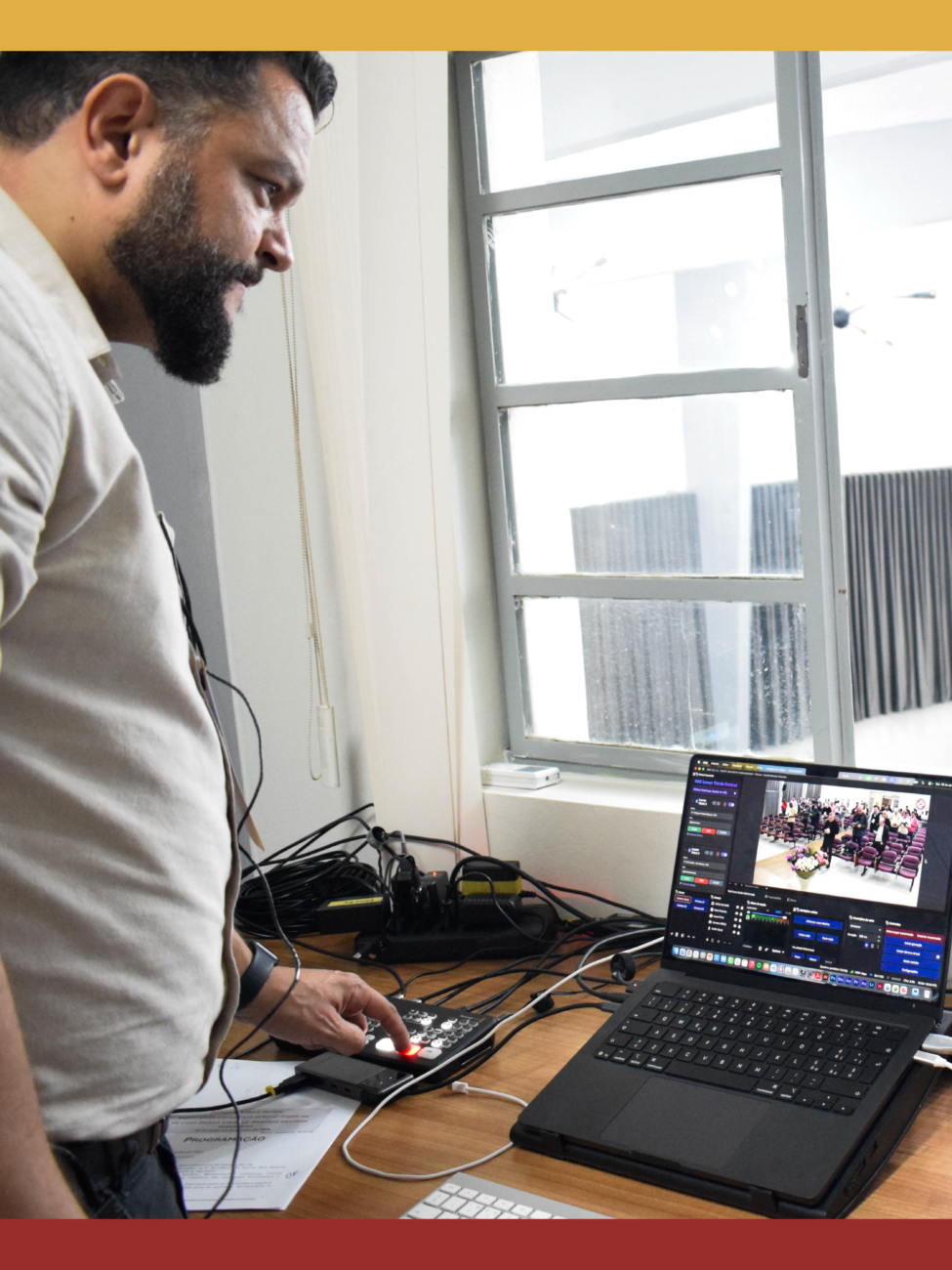
After the time of prayer, Fr. Wyllians took the floor to provide technical clarifications regarding the operation of the Wordly simultaneous translation system. He informed that access to this platform occurs via a previously sent hyperlink or a QR code, requiring an active internet connection and the manual selection of the desired reception language. He also emphasized that interventions throughout the seminar may be made in five official languages: English (ENG), French (FRA), Portuguese (POR), Italian (ITA), and Spanish (ESP), as the system’s intelligence is fully configured to translate them. For technical organization and recording purposes, every member of the assembly was asked to state their name and the language in which they will speak before making any intervention.
2. Opening Speeches and Official Greetings
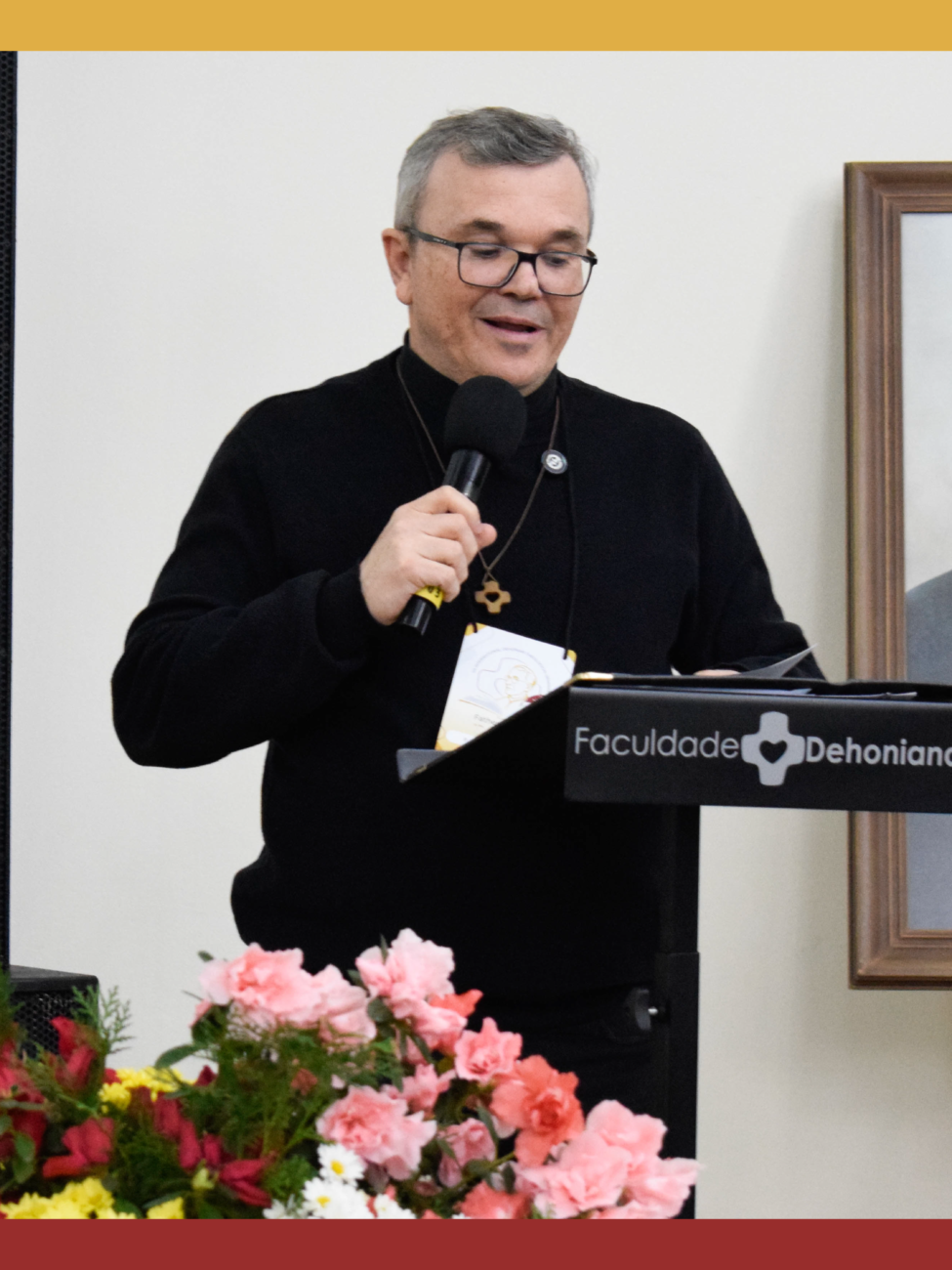
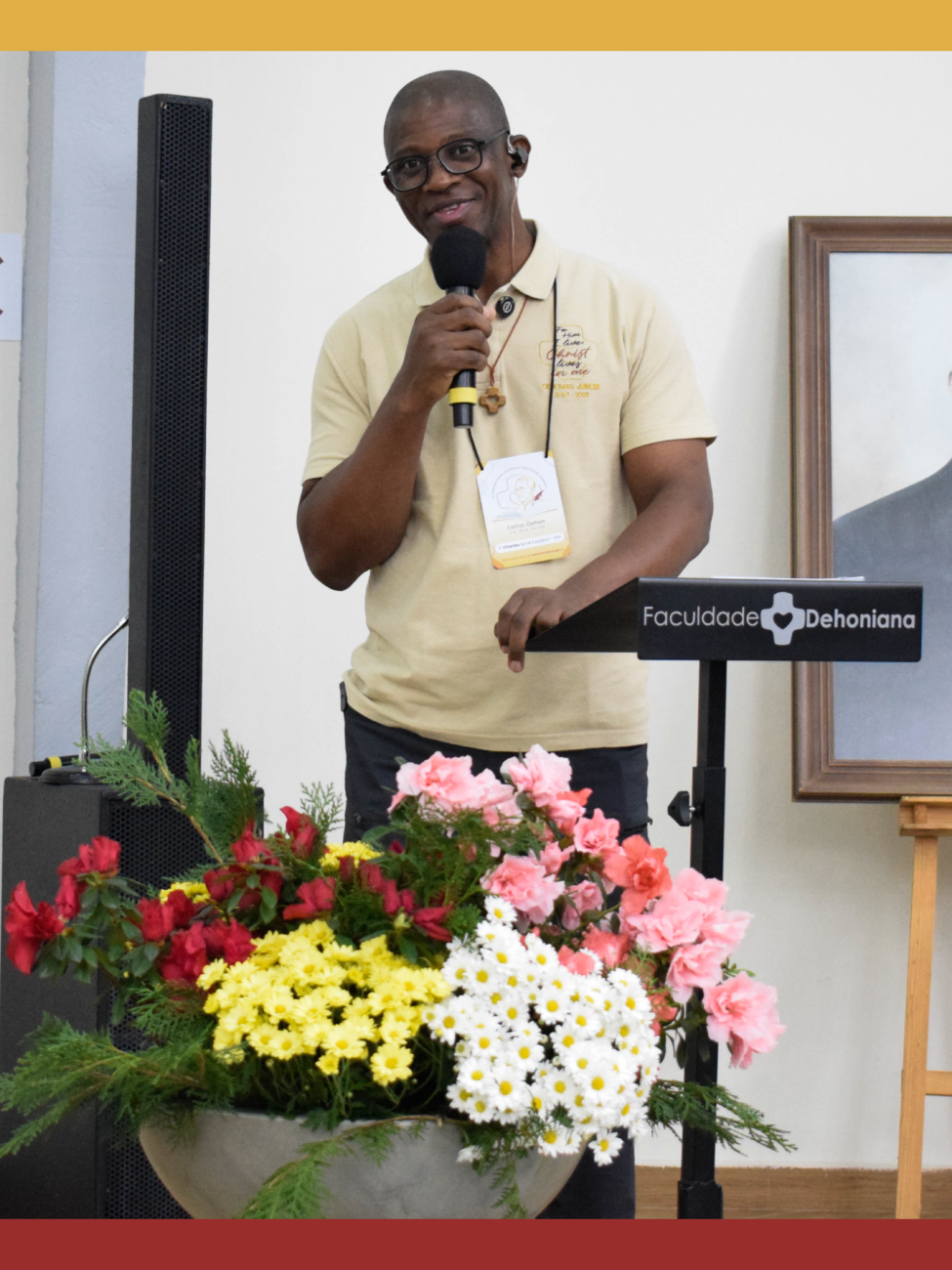
Next, Fr. Charles Aimé Koudjou, General Councilor responsible for the Dehonian International Theological Commission (CTID), took charge of the proceedings, greeting all those present and officially declaring open the session of the Theological Seminar. In his address, he highlighted that the realization of this event is the fruit of a long and meticulous preparation process, stemming from a direct request by the General Government of the Congregation. Subsequently, he passed the floor to the Superior General, Fr. Carlos Luis Suárez Codorniú, for his inaugural address.
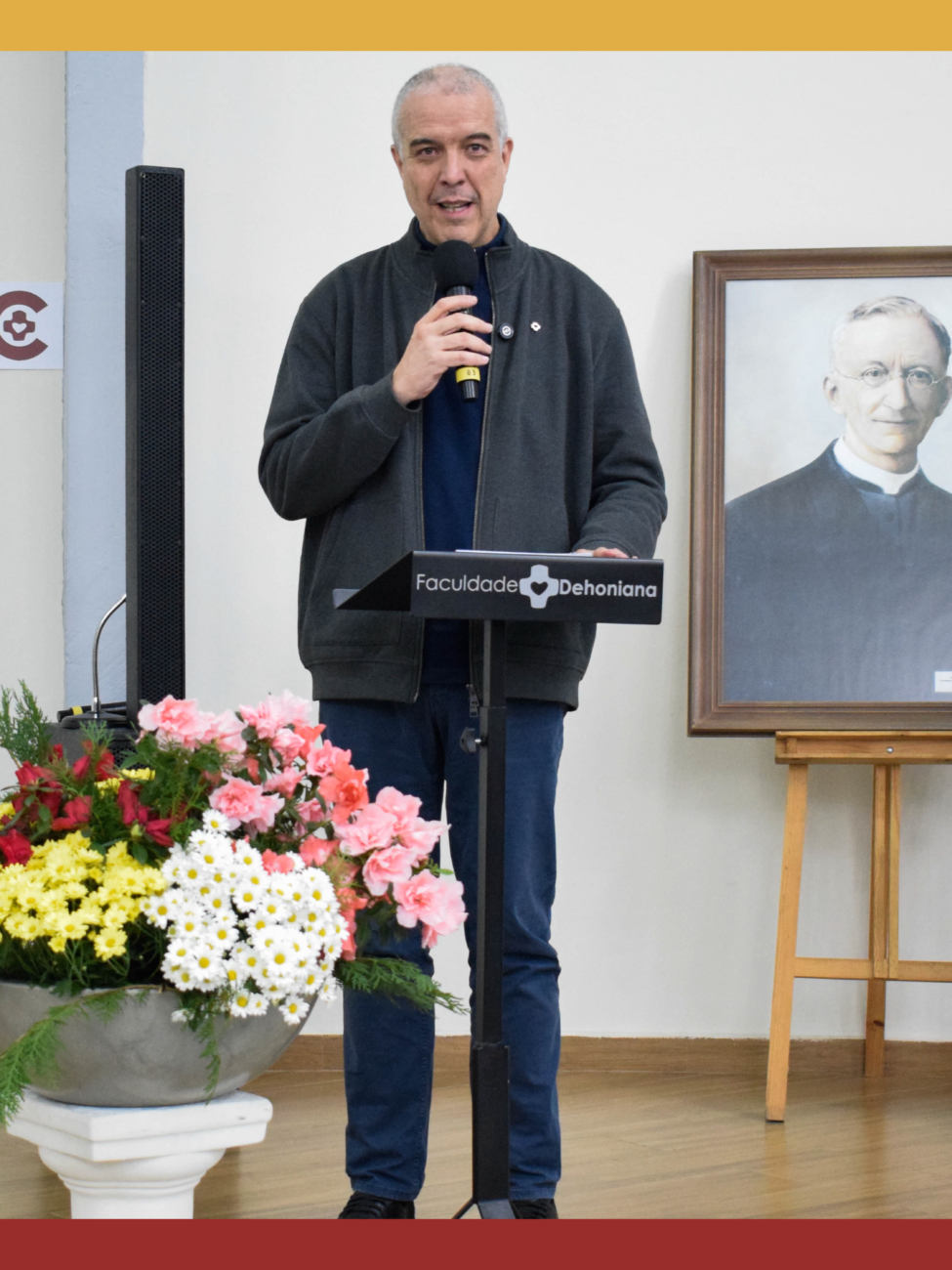
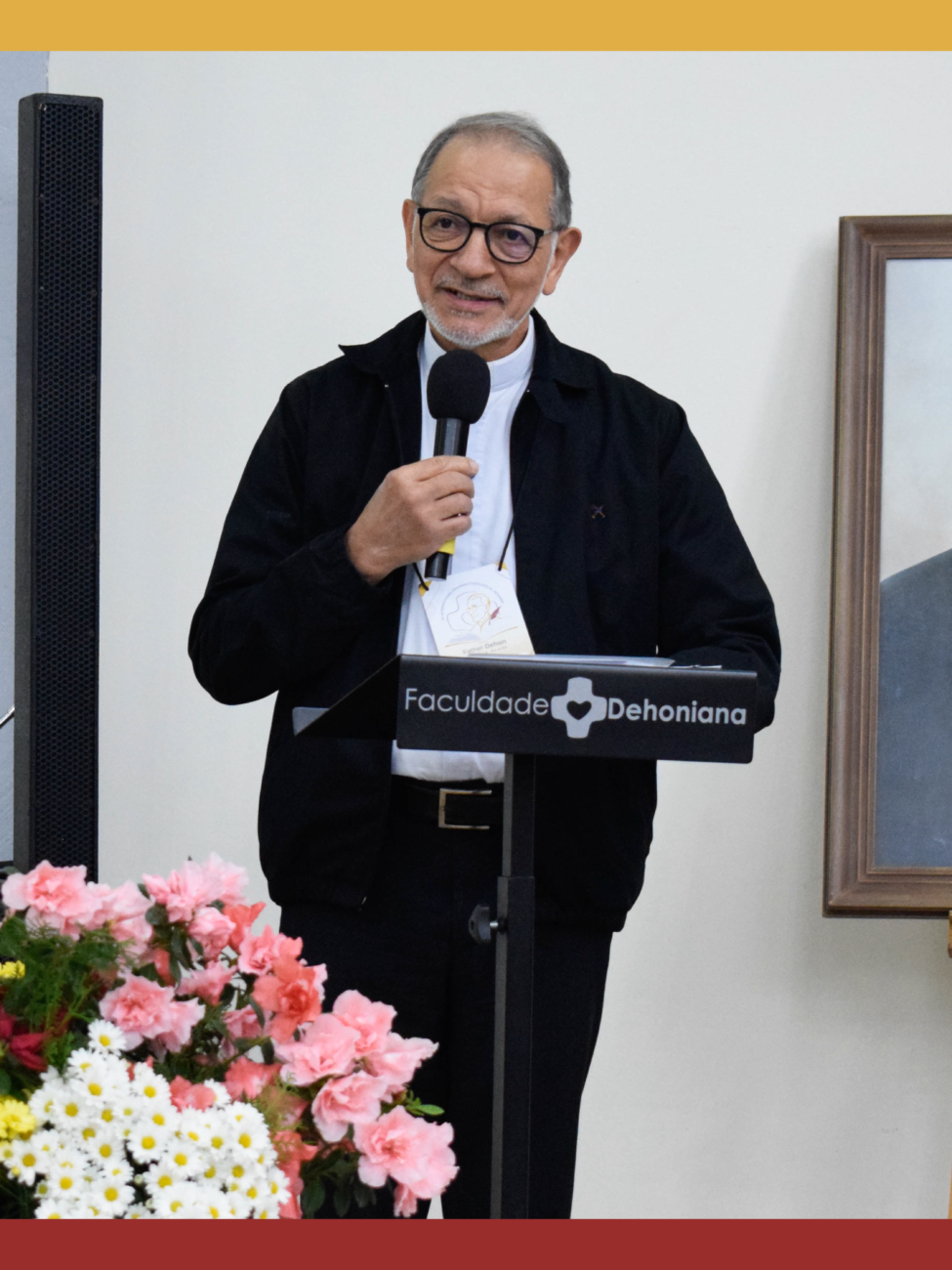
The Superior General, Fr. Carlos, delivered his greeting by expressing special gratitude to the preparation committee, coordinated by Fr. Charles. Evoking the famous phrase of the Founder, Father Dehon, in his writings, “je voudrais écrire” (“I would like to write”), the Superior General emphasized the theological and historical relevance of focusing on the central theme of the seminar, centered on Dehon’s reflection based on his own writings. He concluded by wishing for a fruitful and excellent meeting, aimed at a deeper understanding of the Founder’s project.
3. Presentation of Members, Commissions, and Logistical Information
Resuming the floor, Fr. Charles proceeded with the nominative and institutional presentation of the seminar members, namely:
- Members of the General Government of the Congregation;
- Members of the Scientific Committee;
- Secretaries and those responsible for the communications sector;
- Members of the continental theological commissions present: Europe (CTDEU), Latin America (CTDAL), Asia (CTDAS), and North America (CDTAN), offering an official justification for the absence of the representatives from the African commission (CTDAF);
- Other special guests, including professors from Hales Corners and the Dehonian Faculty, Brazilian formators from the three provinces, and other invited participants.
Immediately following, Fr. Emerson Marcelo Ruiz, member of the Scientific Committee and coordinator of the Logistics Committee, was invited to convey the structural and organizational guidelines. Fr. Emerson outlined the practical details of the seminar’s logistics, praising the joint effort and close collaboration of the three Brazilian provinces both in the preparatory phase and in hosting the event. He specified that the schedule of activities will focus primarily on the premises of the Conventinho and the Dehonian Faculty. Furthermore, he detailed the three official communication channels for urgent notices and news updates:
- Printed newsletters provided in the participants’ rooms;
- The official website of the seminar;
- The instant messaging group on the WhatsApp platform.
Finally, he announced two external outings scheduled in the program: on Saturday, to participate in a Mass followed by a fraternization dinner in some of the local parishes of the Diocese of Taubaté; and, on Sunday, for a scheduled visit to the National Shrine Basilica of Our Lady of Aparecida.
4. Welcome Greetings from the Host Province
Continuing with the agenda, Fr. Charles invited Fr. Eli Lobato dos Santos, Provincial Superior of the Brazil São Paulo Province (BSP), the host congregational jurisdiction for this Seminar, to deliver his welcoming message. Fr. Eli warmly greeted the Superior General and the General Councilors, expressing the gratitude of the BSP Province for the trust placed in hosting such a significant congregational event. He extended his thanks to the members of the theological commissions present and expressed gratitude to the religious of the Conventinho community and the Dehonian Faculty for their care in hosting. He specifically highlighted the dedication of Fathers Emerson Ruiz and Marcelo Batalioto in preparing the organizational details.
In his reflection, the Provincial recalled that the methodological dynamic of the seminar aims at a strictly updated reading of Father Dehon, encouraging participants to evaluate whether the Founder’s writings maintain their validity in the contemporary scenario. Evoking number 4 of the Constitutions (Cst 4), he called upon the assembly to interpret modern dilemmas as explicit rejections of Christ’s love and to seek, in Dehon’s documentary sources, effective responses to present-day problems. He concluded by reiterating his welcome wishes to all members of the Theological Seminar.
5. Historical Genesis and Methodological Proposal
Fr. Charles took the floor again to contextualize historically the initiative that led to the VII International Dehonian Theological Seminar on this date. He recalled that the previous edition of the seminar, held in 2023, focused on economic issues, proposing an alternative economy in perfect harmony with Pope Francis’s social appeals. He pointed out that the conception and architecture of the present seminar are intrinsically linked to Fr. John Van den Hengel, whom he invited to present the genesis and the theoretical-methodological proposal of the seminar.
Fr. John informed that the scientific proposal originated during the CTID meeting in December 2024. On that occasion, the imperative need to rediscover and deepen the knowledge of Father Dehon was recognized, precisely a century after his death, by drawing directly from his written legacy. The CTID identified the digital platform Dehondocs as a valuable tool to inventory and examine Dehon’s testimony. He explained that the seminar, set within the context of the Dehonian Jubilee (2025–2028), proposes to study the Founder’s textual production using five distinct hermeneutical codes, revealing plural ways of understanding his worldview.
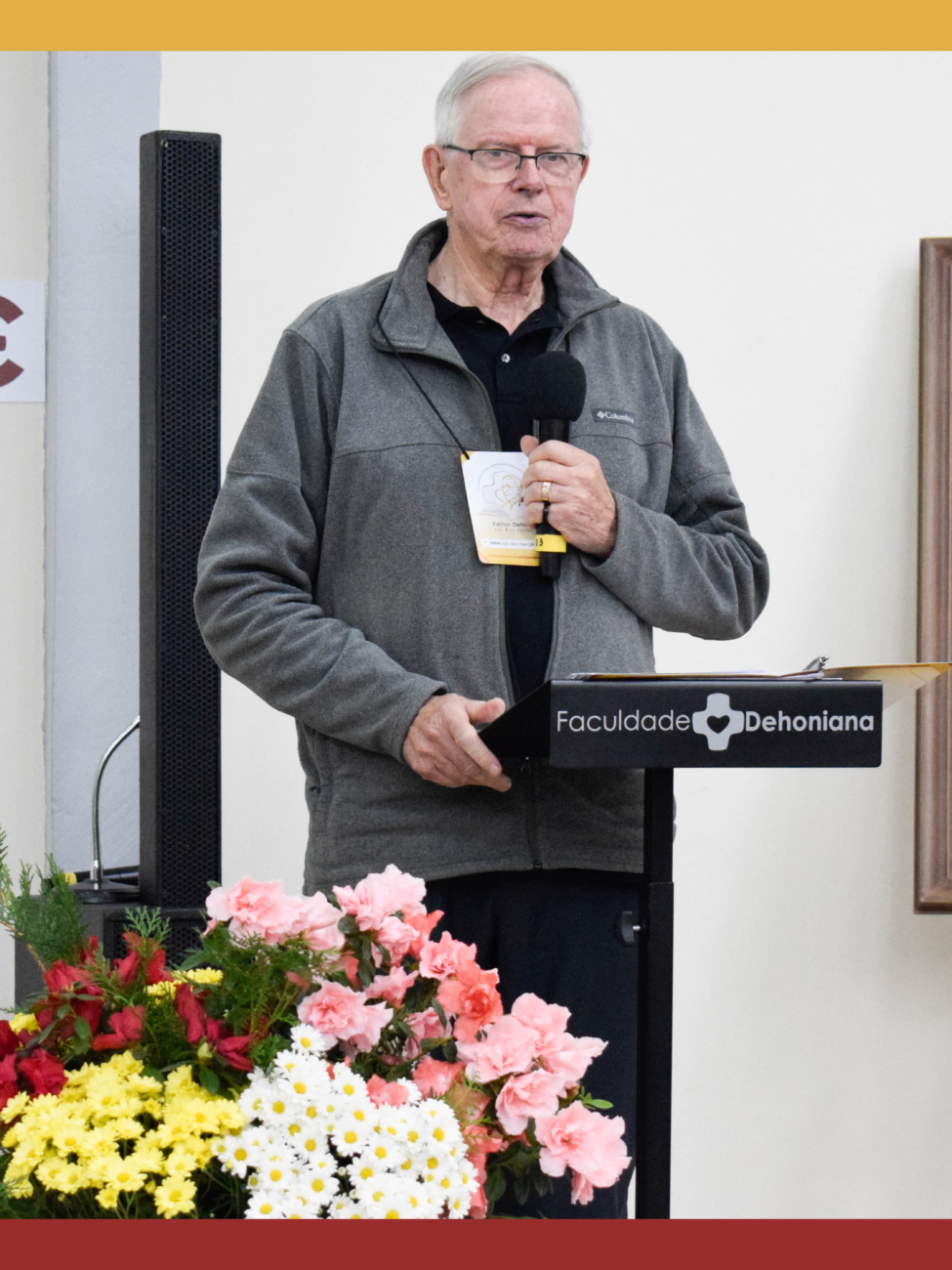
The Scientific Committee approved a systematic reading method structured around the literary theory of Wayne Booth. The objective is to identify, in each examined literary genre—namely autobiographical, social, and spiritual writings, correspondence, and articles—the categories of “implied author” and “mock reader” (or simulated reader) that operated in the weaving of the texts. This unified methodology fosters the interpretation of diverse textual genres using common vectors of approach to the Founder’s intent. The method primarily aims to equip Dehon scholars with critical hermeneutical tools that shed light on present-day dilemmas, avoiding the mere uncritical reproduction of traditional interpretations of the Founder handed down by previous generations. Fr. John affirmed that treating Dehon as a “textual figure” opens horizons for theological novelty. The work was distributed among the five continental theological commissions based on this scientific framework, representing a mature moment for the Congregation to establish its own hermeneutics of high scientific rigor. He concluded by highlighting that the main purpose is not to validate whether Dehon’s historical statements correspond to factual truth, but to diagnose whether his worldview remains operative and functional for Dehonians today, through a process analogous to that undertaken by Dehonian religious and communities in the 1960s and 1970s during the revision of the Rule of Life.
6. Structuring of the Session Itinerary and Closing
Taking the floor for the final remarks, Fr. Charles summarized the spirit of the meeting: while traditional studies were guided by the question “Who is Father Dehon?”, the present seminar proposes the methodological shift of asking “Who is this Father Dehon who emerges and manifests himself in his own texts?”. To this end, he informed that the seminar schedule is strictly structured into seven work sessions, arranged as follows:
- 1st Session: Analysis of Dehon in his Daily Notes;
- 2nd Session: Study focused on the Social Catechism;
- 3rd Session: Investigation based on the work Crowns of Love;
- 4th Session: Analysis of the epistolary genre in his Correspondence;
- 5th Session: Examination of his press production in the articles of the Chronicles;
- 6th Session: Collegial debate to identify convergent points and transversal lines emerging from the texts (seminar construction);
- 7th Session: Formal conclusion of activities and drafting of the final message addressed to the entire Dehonian family.
In closing the introductory session, Fr. Charles expressed sincere thanks to everyone following the seminar broadcasts through digital platforms and social networks, reiterating that the entire documentary framework and study materials are hosted in full on the official website of the theological seminar.