Oblation and Martyrdom: The Experience of the Martyrs of 1964 in Light of Father Dehon’s Daily Notes
On the occasion of the Dehonian Jubilee in the DR.Congo, held under the theme of "reparative oblation" and aimed at renewing our prophetic vocation, this first series of reflections offered by the Centro Studi Dehoniani highlights the witness of the martyrs of 1964.


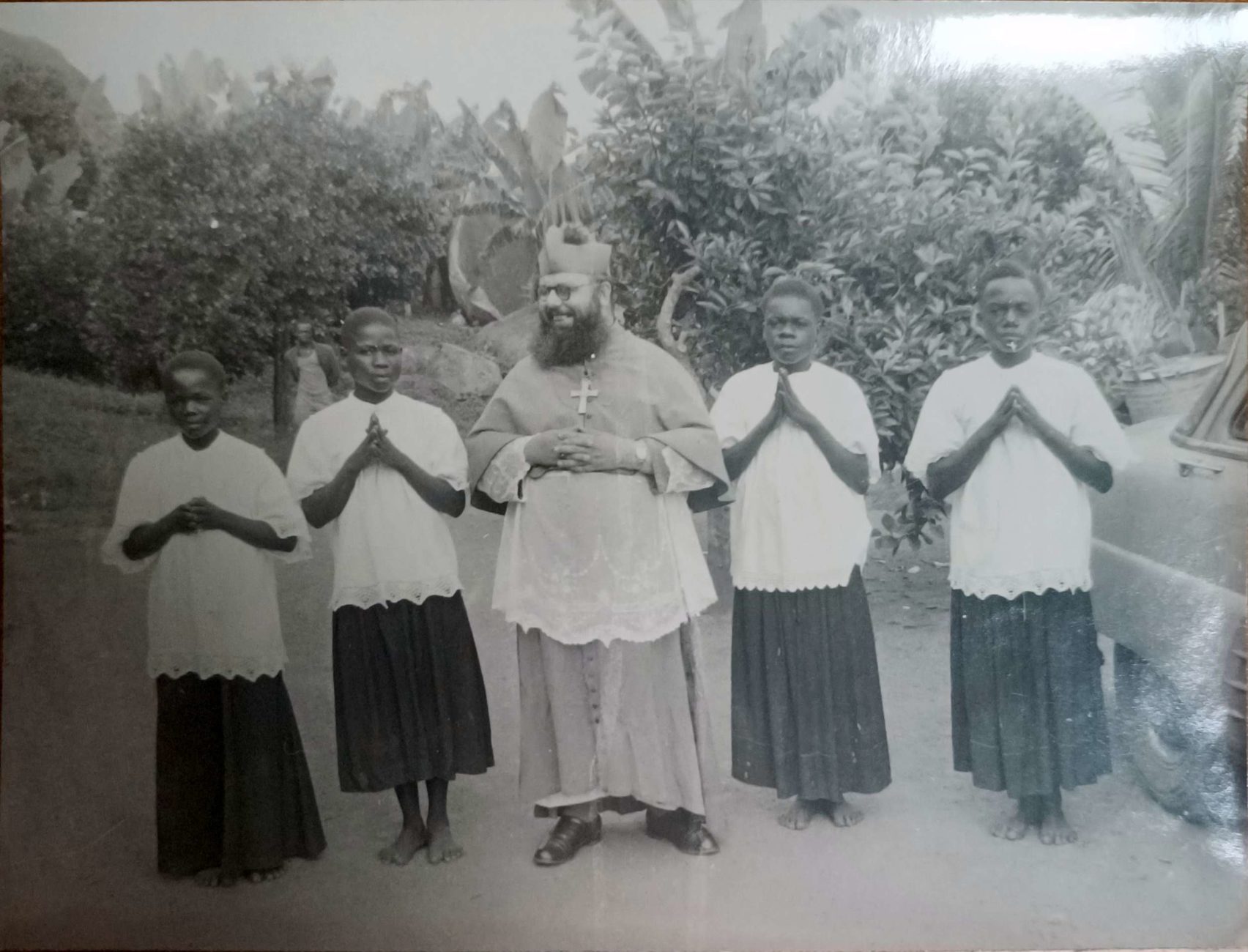
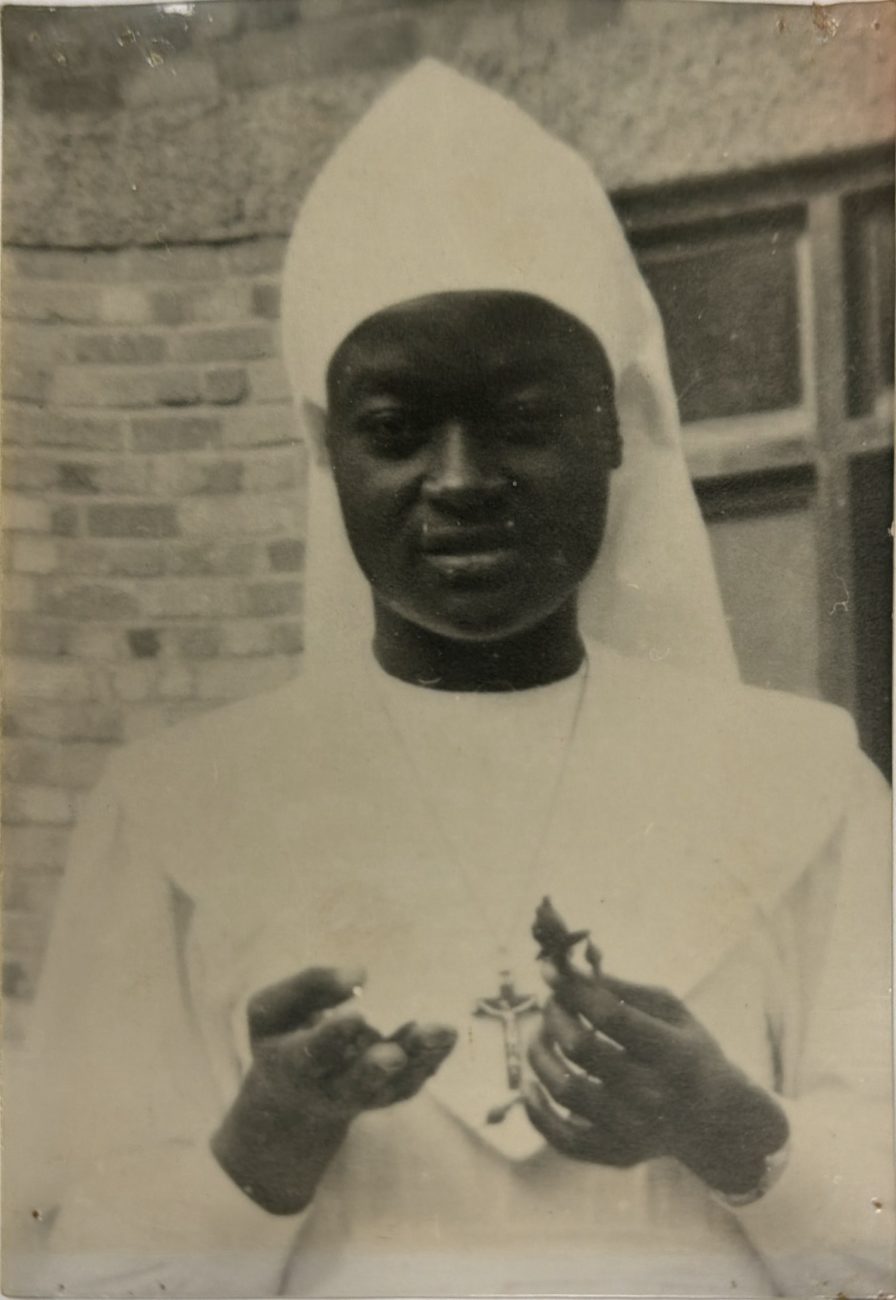
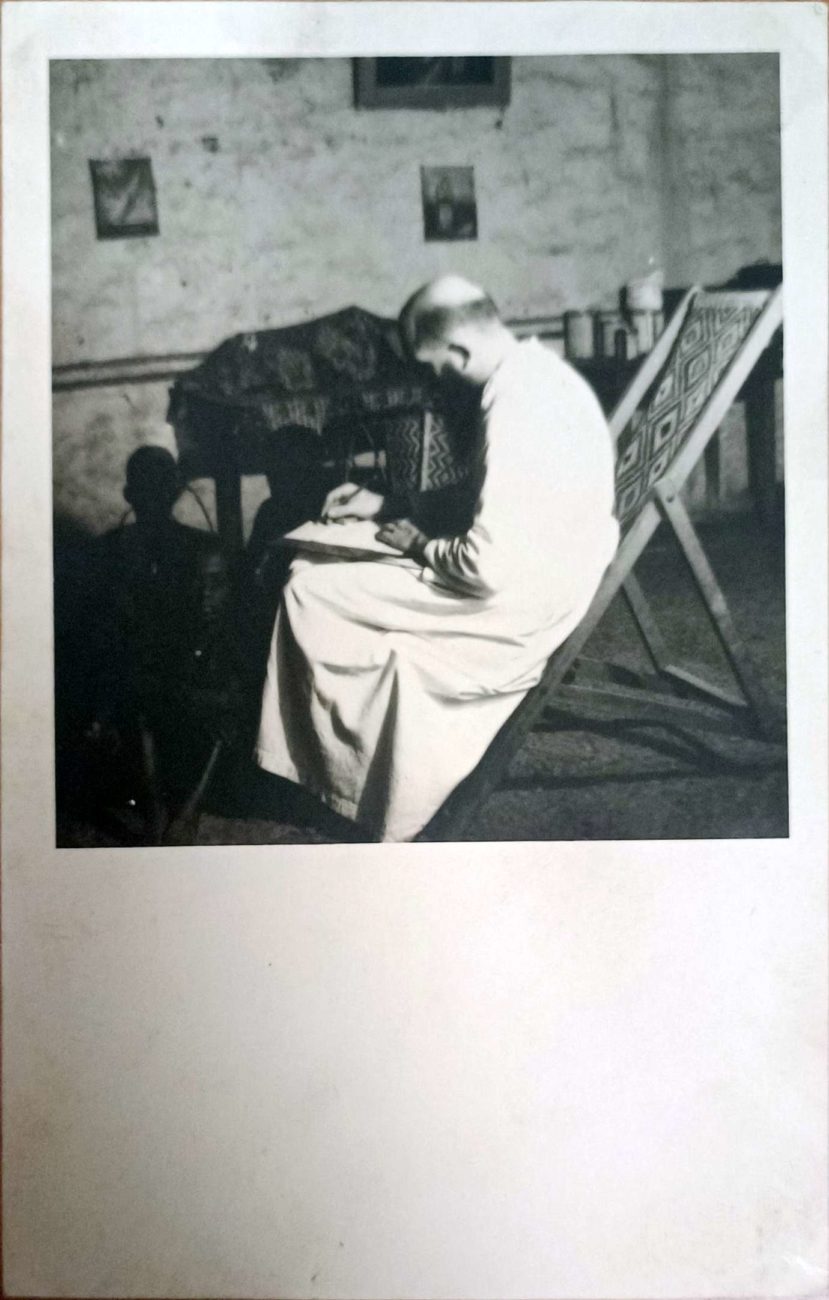
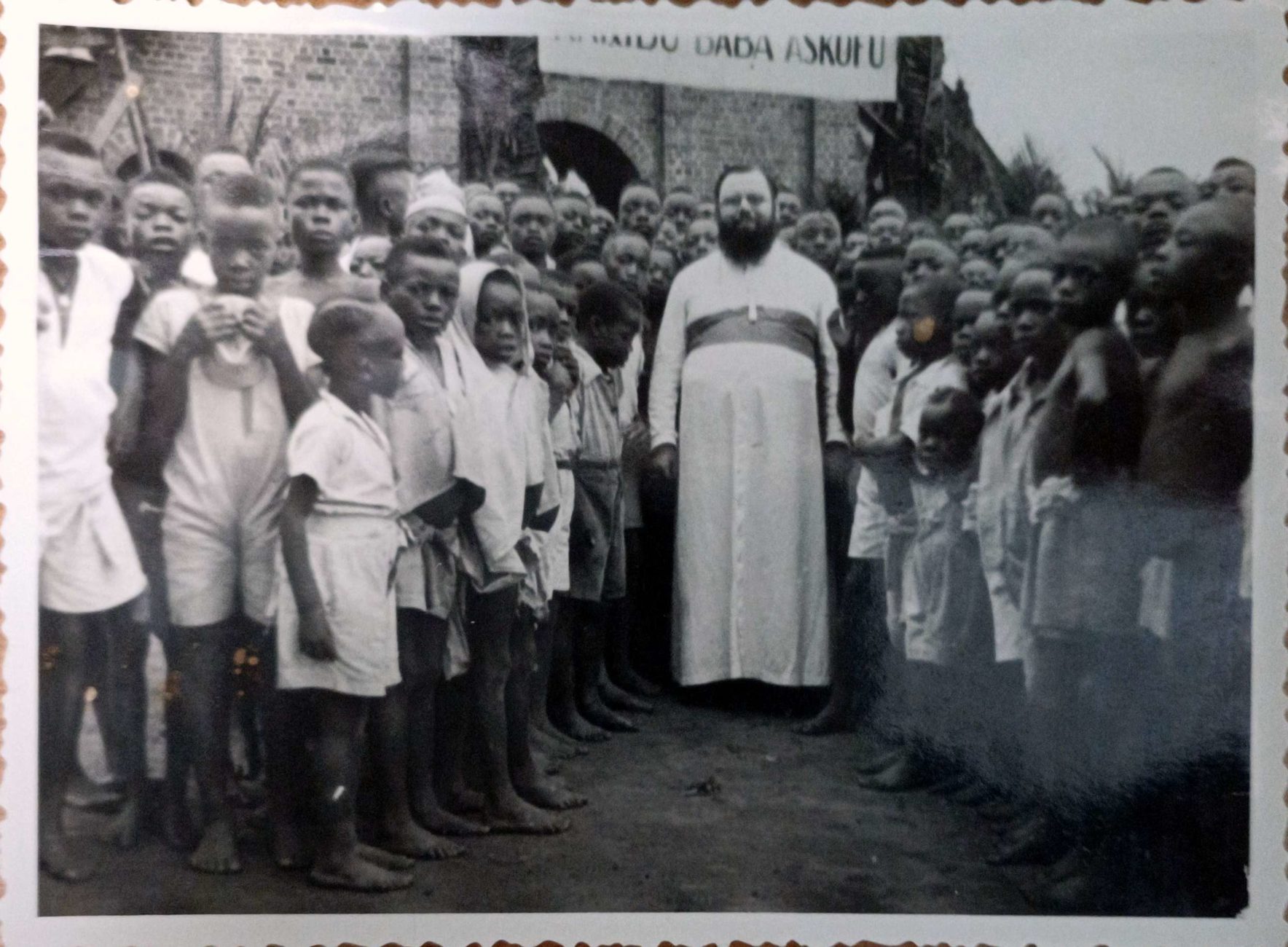
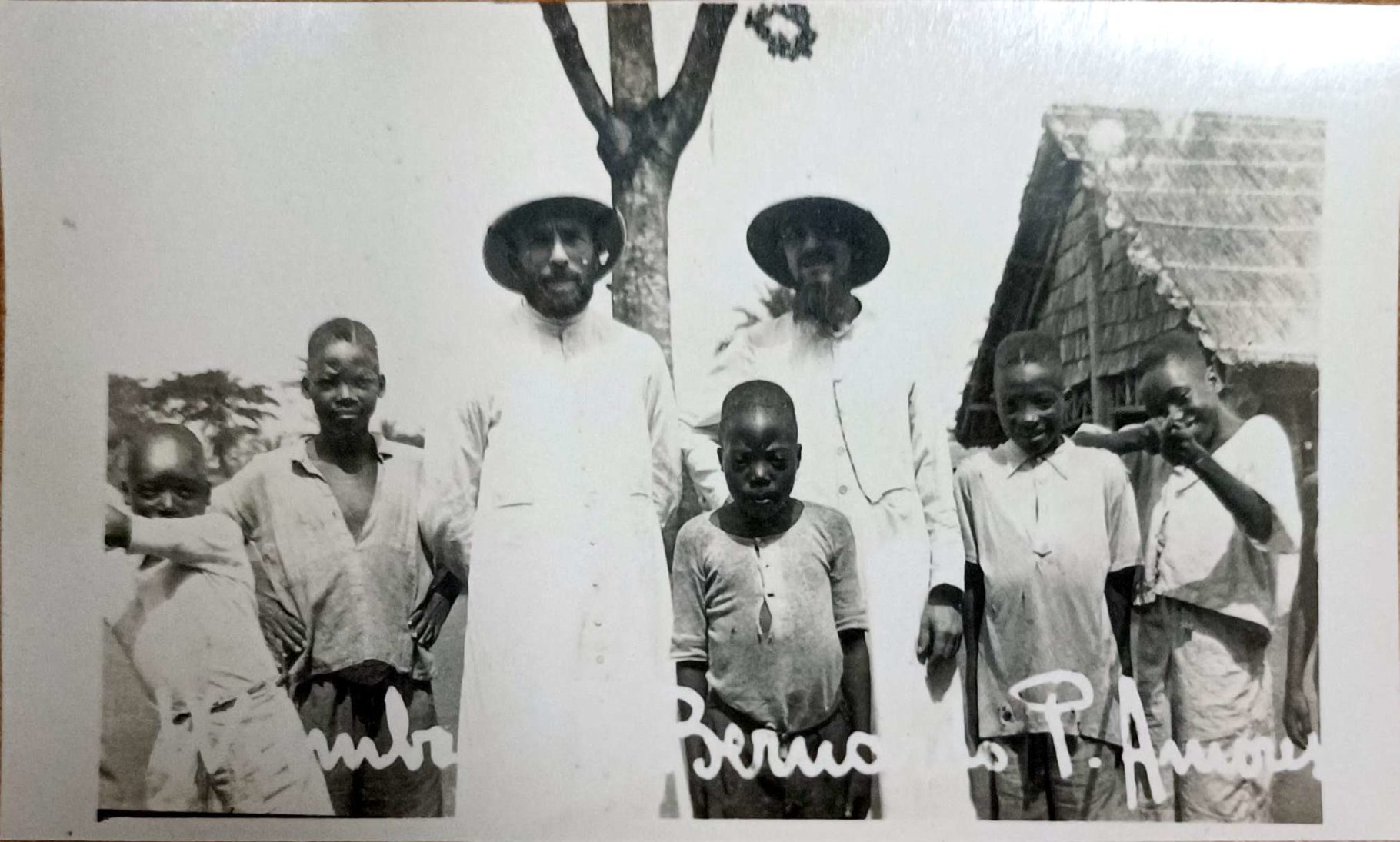
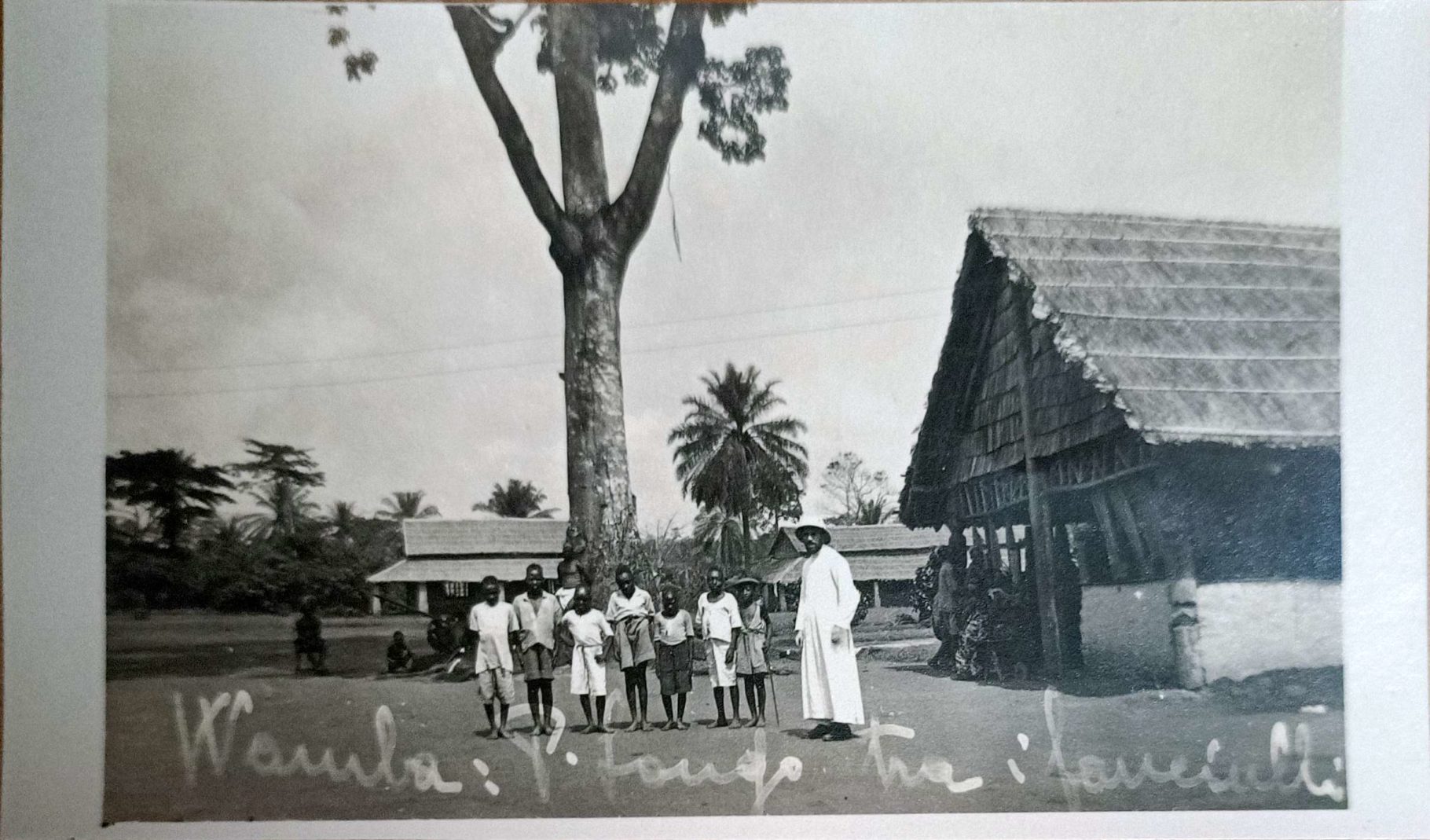
The reflections presented to you by the Center for Dehonian Studies within the framework of the Dehonian Jubilee in the DR Congo are based on Father Dehon’s Journals. His daily notes offer much more than the founder’s simple thoughts; they constitute a living testimony of his journey, intimately capturing his constant meditation on these fundamental themes. Complementing these writings, a visual presentation retraces the history of the mission and of martyrdom in the Congo.
The self-giving of the Dehonians in the Congo, manifested both through red martyrdom and white martyrdom, offers a vibrant testimony to the very charism of our Congregation: union with the oblation of Christ. It was always the deepest desire of our Founder that his life become an offering of love to the Lord, just as he expressed in his prayer:
“O Lord, could You have chosen a poorer instrument than me to serve You? Yes, I want to love You for this immense love, and may my entire being, dedicated to suffering, be consumed at Your feet in humble repentance, whose powerful effects will make themselves felt through a purer, more ardent, more sincere love, total abandonment, an entire oblation.I want to submit to Your will, always full of august goodness toward me, to live from You, for You, in You alone, and to die at Your feet, ever loving You!” (NHV 13/126)
______________
Summary of the article – Read the full text below as an attachment
The Dehonian Jubilee, celebrating the centenary of the birth into heaven of the Venerable Father Léon Dehon and the 150th anniversary of the founding of the Congregation, invites us to revisit the places and events that have profoundly marked our history. Among these places, Kisangani/Wamba holds a special position due to the testimony of faith of the missionaries who gave their lives in the Congo in 1964. Their sacrifice constitutes an important spiritual heritage for the Congregation and invites us to deepen the link between oblation, at the heart of Dehonian spirituality, and martyrdom.
Indeed, although the terms “oblation” and “martyrdom” are relatively rare in Father Dehon’s Daily Notes, these two realities profoundly permeate his spirituality. The choice of the name “Oblates” to designate the members of his Congregation clearly reflects his intention: to make their existence an offering to God, in a spirit of reparation and total availability. Inspired particularly by the French School of Spirituality, oblation does not consist simply in offering something to God, but in offering oneself, uniting one’s will, actions, and entire existence to that of Christ. In his Daily Notes, Dehon manifests this disposition through unconditional trust in God, abandonment to His Providence, and fidelity to His will, especially in times of trial. The Ecce venio thus becomes the fundamental expression of this interior availability.
This spirituality finds its perfect model in the oblation of Christ. Indeed, Jesus’ offering is not reduced to His death on the Cross: it embraces His entire existence, lived in love, obedience, and communion with the Father. The words of the psalm echoed in the Letter to the Hebrews, “Behold, I come to do your will” (Heb 10:7), summarize this filial availability. In Gethsemane, this oblation reaches its ultimate expression: “Not my will, but yours be done” (Lk 22:42).Even in suffering, Jesus remains faithful to His mission. It is within this dynamic that the vocation of the Dehonians is situated: “to be united with Christ in His love and His oblation to the Father” (cf. Cst 16), continuing His reparative mission for the salvation of the world.
Martyrdom constitutes, in this perspective, a particular expression of oblation. Etymologically, the word martyr means “witness.” The martyr is therefore first and foremost one who bears witness to faith, sometimes even to the point of giving one’s life. For Father Dehon, the martyrs represent models of fidelity and love toward Christ. Contemplating the Catacombs of Rome, he sees in their courage and heroism the fruits of the love of the Heart of Jesus. However, he does not limit oblation to bloody sacrifice. He thus distinguishes between red martyrdom, which consists in shedding one’s blood for Christ, and white martyrdom, which is lived in daily fidelity, mortification, and acceptance of the will of God.He even speaks of a “slow-fire martyrdom.” What matters, therefore, is not the amount of suffering endured, but the love that animates the gift of self. Any existence can become an offering when lived in fidelity to Christ and service to others.
It is in this light that the experience of the martyrs of the Congo in 1964 takes on its full meaning. In the troubled context following the country’s independence (June 30, 1960), the Simba rebellion plunged several regions, particularly Kisangani and Wamba, into great violence. Among the victims were Monsignor Joseph Wittebols, Bishop of Wamba,the Venerable Bernardo Longo, and numerous other missionary Priests of the Sacred Heart of Jesus. Despite the dangers, Monsignor Wittebols chose to return to his faithful rather than abandon them in their trial. Together with his confreres, he thus bore witness to a pastoral fidelity that went as far as the gift of life. Other missionaries, notably Combonians and religious sisters, were also victims of these persecutions. On December 1, 1964, Blessed Marie-Clémentine Anuarite Nengapeta was murdered for refusing to renounce her religious consecration. These testimonies demonstrate, each according to circumstances, the same fidelity to Christ and to the vocation received.
Their sacrifice can be understood as the fulfillment of that oblation of which Father Dehon speaks: a life entirely given out of love. They did not seek death, but chose to remain faithful to Christ, to their mission, and to the people to whom they were sent, despite the threats. Their testimony recalls the words of Jesus: “No one has greater love than this, to lay down one’s life for one’s friends” (Jn 15:13). Their death was therefore not sterile. Father Dehon himself recalled that “the blood of martyrs has been the fertile seed of Christians.” Even today, the vitality of the Christian faith and the growth of priestly and religious vocations in this region bear witness to the fruitfulness of this seed. Without establishing a mechanical link between shed blood and vocations, we can recognize that their testimony continues to inspire Christian communities and those who commit themselves to the service of the Gospel.
Ultimately, the experience of the martyrs of 1964 reveals the depth of the link between oblation and martyrdom in Dehonian spirituality. Following Christ, whose Ecce venio expresses the total gift to the Father, these witnesses made their existence an offering of love, fidelity, and service. Today, their legacy constitutes a special call for Dehonians to renew their reparative vocation: not only through the extraordinary gift of life, but also through the white martyrdom of daily fidelity, availability, service to the most vulnerable, and commitment to peace. The blood of the martyrs, which watered the soil of the Congo, thus remains a sign of hope. Violence may have brought down the witnesses, but it could not extinguish the seed of the Gospel. Their offered lives continue to remind us that the love of Christ, welcomed and returned without reserve, is capable of bearing fruit far beyond death.