Visit of Leo XIV to Angola: “The Angolan Catholic deeply loves and respects the Holy Father”
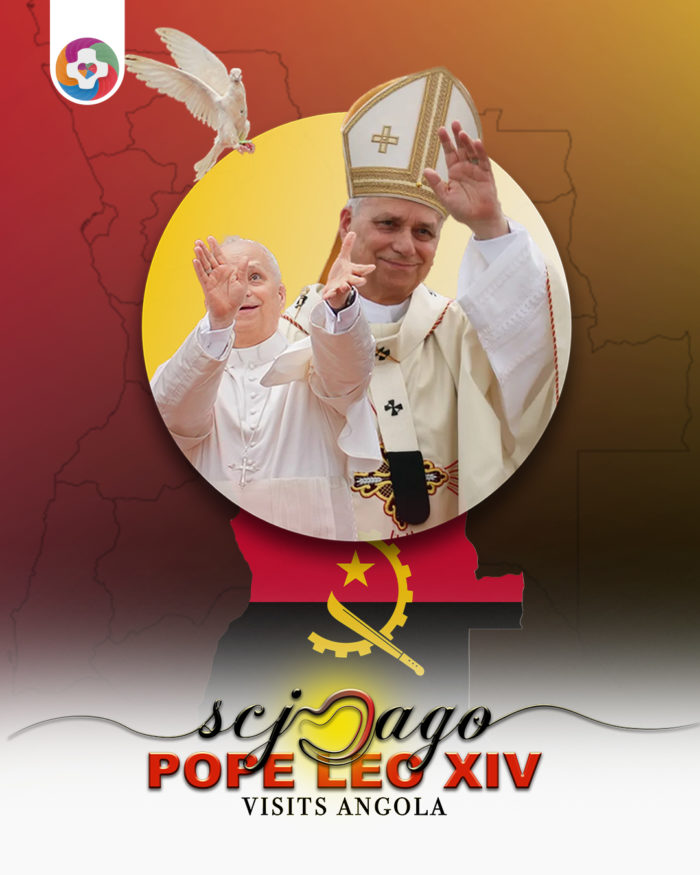
After Algeria and Cameroon, the Holy Father travels this April 18 to Angola. Interview with the Superior of the SCJ District of Angola, Father David Mieiro SCJ, on the local Church and the Priests of the Sacred Heart in Angola.


Father David Mieiro SCJ, after Algeria and Cameroon, Pope Leo XIV begins his African journey in Angola today. What does this visit of the Holy Father represent for the Catholic Church in Angola?
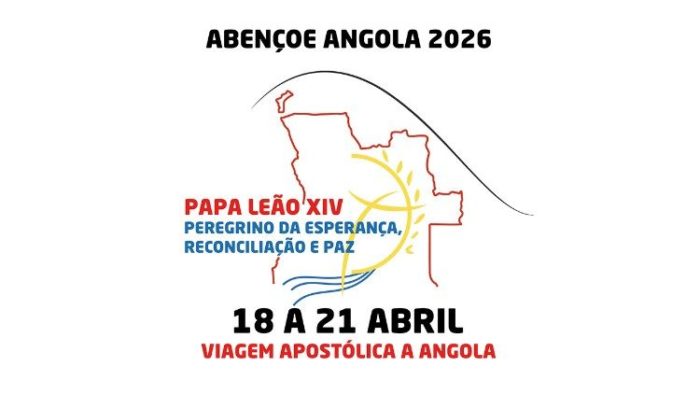
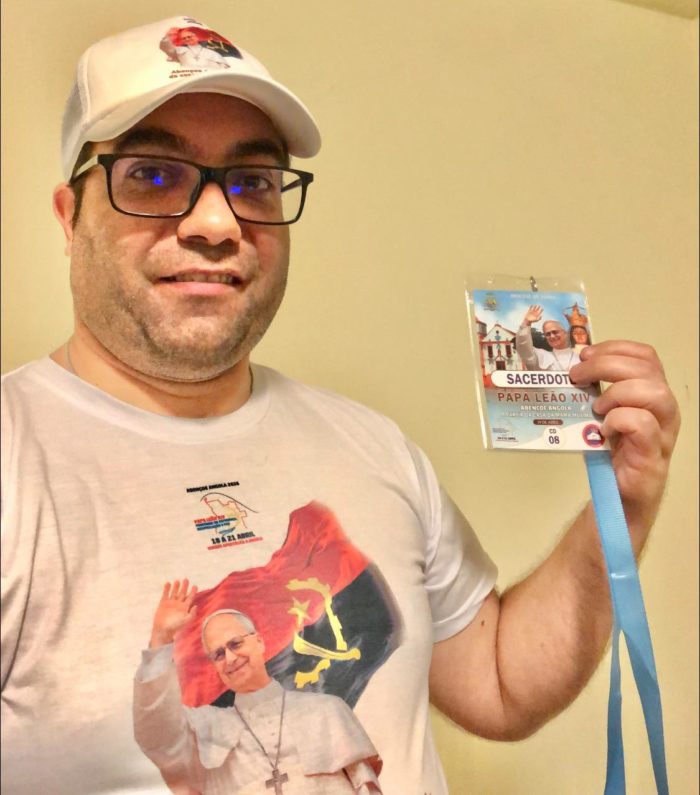 Fr. David Mieiro SCJ: The visit of the Holy Father to Angola takes place on the occasion of the 50th anniversary of independence and the 450th anniversary of the founding of the city of São Paulo de Luanda, the current capital. It represents, therefore, not only a visit to the Catholic community, but also to everything that the history of the country embodies. The Angolan Catholic loves and respects the Holy Father very much, not only as an institution, but also because he listens to his messages and the documents he writes. For this reason, receiving the Holy Father is also a source of pride, because Angola was once again chosen as one of the first countries in Africa to receive the Apostolic Visit of a new Pontiff. Angola stands out in the context of African countries where Catholicism is very present due to its Marian devotion, particularly towards Our Lady of Muxima. The communities of faith and the parishes are very alive and spirituality is very present in the life of the Angolan people.
What is the place of the Catholic Church in the socio-religious context in Angola?
The Catholic Church in Angola dates back to the end of the 15th century with the arrival of the first missionaries and contact with the Kingdoms of Congo (present-day DRC and Northern Angola). It currently represents 45% of the population according to the 2024 Census, that is, 15.7 million faithful, with a tendency to increase. Alongside this missionary work is the social assistance of both congregations and dioceses and some NGOs, mainly in schools, medical centers, and youth activities. It should be noted that more than half of the population is under 30 years old.
The Priests of the Sacred Heart of Jesus have been present in Angola since 2004 and today have 3 communities in 2 dioceses. What do the Priests of the Sacred Heart do concretely in Angola?
From the beginning of the mission in Angola, our focus was to support the local Church due to the lack of clergy and the post-war situation. When we began the first contacts, 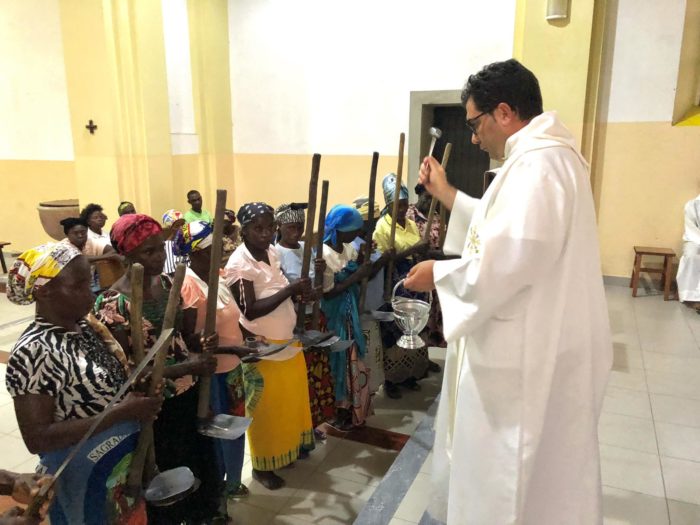 Angola was still in a civil war, which only ended in 2002. We arrived in 2004 in Luanda, but we already had the objective of opening another community in the East, in the province of Moxico. There, we currently have two communities (Luau in 2005 and Luena in 2010). In each community, we run a parish. We have two schools in the East (Luau and Luena). We also have two formation houses: in Luanda for aspirants studying philosophy, and in Luena for those still in high school. And, of course, we carry out many social projects to help the populations: water distribution, milling, locksmithing, IT, and a religious articles shop.
Outside of Luanda, which is the capital and the first stage of the papal visit; will the confreres from Luau and Luena also have the opportunity to participate in this historic encounter with the Holy Father?
The Apostolic Visit of Pope Leo XIV provides for meetings and celebrations in Luanda and Saurimo, in the East. Thus, our three Dehonian communities will be able to participate in some part of the program of the visit. It will be a very special moment for everyone. Angola celebrated its 50 years of independence last year, and some dioceses also celebrated their jubilee, as is the case of Saurimo, which the Pope will visit. He will be the 3rd Pope to visit Angola, after John Paul II in 1992 and Benedict XVI in 2009.
From your current duties as Superior of the SCJ District of Angola and member of the National Leadership of the CIRA (Conference of Religious Institutes of Angola), what are, in your opinion, the main challenges of the Church in Angola?
The Conference of Religious Institutes of Angola – CIRA – is a recent body because it is the result of the merger of the two male and female organizations of Religious Institutes. It currently has more than 130 members, with a tendency to grow. In other words, new congregations have been arriving in Angola, particularly some that have very specific charisms (migrations, for example). But several institutes of diocesan right have also been created. The presence of missionaries (local and foreign) is highly appreciated by the population because they see them as good people, helping without seeking benefits, doing so with love and great professionalism. For this reason, as members of the National Leadership of CIRA, we intend to create greater interaction between the institutes that develop identical projects (education, health, orphanages, etc.), and enhance initial and permanent formation, without forgetting vocational accompaniment. 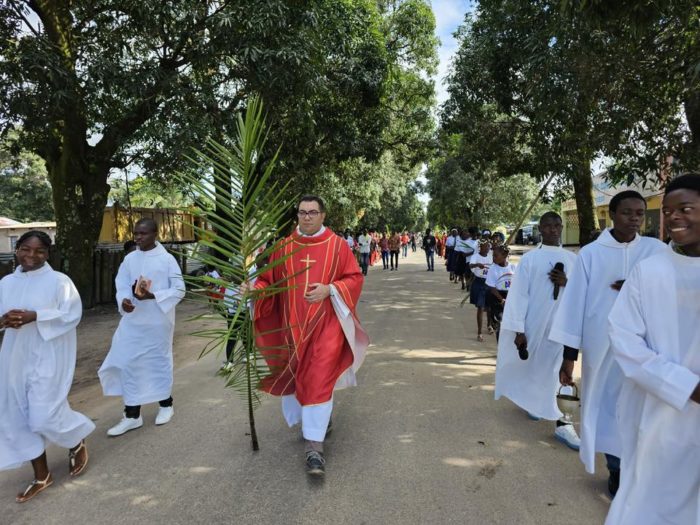 For my part, I was tasked with coordinating the Communication Commission which had not yet been created, but which was urgent both for institutional communication between the Congregations and to give visibility to the good we are doing and which is a prophetic sign in the world. There is no time to waste for the work we have to do in pastoral, social, and vocational areas.
And what are your expectations regarding the visit of the Holy Father?
In such a fragmented climate, full of conflicts, receiving him in our “home” is very encouraging. His presence is already, in itself, a reason for great enthusiasm. And I hope that the Holy Father can feel the affection that Angolans have for him. One of the places of visit is the Sanctuary of Our Lady of Muxima (which means, in Kimbundu, “Heart”). This is one of the places of greatest attendance with frequent pilgrimages, retreats, and spiritual encounters. The renovation and expansion works of the structures will make it even more special and with a greater capacity to receive even more pilgrims. This experience at the logistical and organizational level could perhaps allow Angola to host a World Youth Day.